Beds, soil and water · Oregon · Washington · Idaho
Putting the Vegetable Garden to Bed for a Northwest Winter
A fall cleanup list for wet western gardens and cold eastern ones: what to pull, what to leave standing, and how to protect the soil until spring.

The first fall frost usually reaches Portland around November 19 and Spokane around October 12. Once it does, the summer crops are done, and a few hours of work in the garden pays back in spring: fewer diseases, fewer slugs and soil that's ready to plant.
Fall cleanup in the Northwest is mostly about one thing: the rain. West of the Cascades, bare soil spends the winter being pounded flat and washed of nutrients. East of the mountains the problem is cold and wind. Either way, the goal is the same. Clear out what spreads disease, leave what helps, and cover the ground.
Pull out anything that was sick
Tomato and potato plants that had late blight, squash leaves white with powdery mildew, and beans with rust or mold are the first to go. Many diseases spend the winter on dead leaves and stems, then splash back onto new plants in spring. Bag them for the yard-waste bin rather than your compost pile; a home pile rarely gets hot enough to kill them.
Dig every potato you can find, too. Small tubers left in the ground sprout next year as "volunteers" and can carry blight straight into the new season.
Leave the healthy stuff standing
A spotless garden isn't the goal. Healthy flower stalks, seed heads and hollow stems shelter native bees and other beneficial insects over winter, and birds pick through the seed heads. Sunflowers, zinnias, herbs gone to seed and perennial stalks can all wait until spring. Healthy vegetable plants can be chopped up and left on the bed as mulch, or added to the compost.
Cover the soil
Bare soil is the one thing to avoid. Rain crusts and compacts it, washes nutrients down past the roots, and invites weeds. Give every empty bed one of these:
- Shredded leaves. Free, and the best winter blanket there is. Run a mower over them first so they don't mat into a slick layer. A few inches deep is plenty.
- Straw. Easy to rake off in spring. Look for weed-free straw, not hay, which is full of seeds.
- Compost. A thin layer on top, left for worms to pull in over winter. No digging needed.
- A cover crop, if you sow by early fall. Our cover crop guide covers which ones and when.
One caution for wet gardens: thick mulch also shelters slugs. On beds where you'll plant early lettuce or peas, pull the mulch back a few weeks before planting so the soil can dry and warm.
Don't dig wet soil
It's tempting to turn the beds over in fall, but working soggy Northwest clay squeezes out the air and leaves hard clods that last for months. If a handful of soil sticks together in a wet ball, stay off it. Most beds don't need fall digging at all; mulch and worms do the work.
Perennials and tender plants
- Dahlias: wait until the first frost blackens the leaves, then cut the stems back. In well-drained beds in milder west-side gardens, many people leave the tubers in the ground under a thick mulch. In heavy clay, or anywhere the ground freezes hard, dig them, let them dry for a day or two, and store them somewhere cool and frost-free.
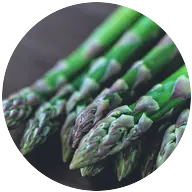
- Asparagus and rhubarb: cut back the dead foliage once it has yellowed and top the bed with compost.
- Strawberries: pull weeds and runners you don't want. In cold eastern and high desert gardens, a few inches of loose straw over the plants after the ground starts to freeze protects the crowns.
- East of the Cascades: if fall has been dry, water trees, shrubs and perennials deeply before the ground freezes. Dry roots are more easily killed by winter cold.
Small jobs before the cold
- Drain and coil hoses, and shut off or insulate outdoor taps before the first hard freeze.
- Empty clay and ceramic pots or move them under cover; wet pots crack when they freeze.
- Clean tools, sharpen the shovel and wipe metal with a little oil.
- Send off a soil test. Fall is a good time to add lime if a test says you need it, because it takes months to work.
- Write down what grew well and what didn't, while you still remember.
And if there's still room in a bed, it isn't too late to plant garlic. It's the one crop that goes in just as everything else comes out.
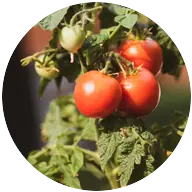 Tomatoes
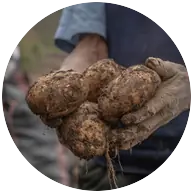 Potatoes
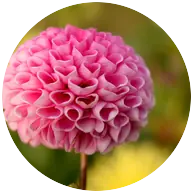 Dahlias
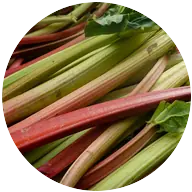 Rhubarb
 Asparagus
 Strawberries