
Oregon · Washington · Idaho
What to plant in fall
Fall is the second planting season in the Northwest. Late summer is the time to sow greens, roots and cabbage-family crops that grow through the cool fall, and October and November are the months for garlic, shallots and spring-flowering bulbs that need winter cold.
Why fall timing works backward from frost
Fall crops are timed backward from the first frost and the shortening days, not forward from spring. That's why the windows below end earlier than you might expect: a carrot sown in September has too little light left to size up. West of the Cascades, mild winters let many of these crops hold in the garden into winter.
Fall is also the best time to plant many shrubs and native plants on the west side, because winter rain waters them in while the roots grow. East of the Cascades, where the ground freezes hard, spring planting is safer for shrubs and trees.
Salad greens
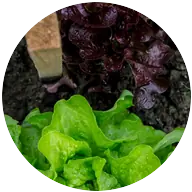
- LettuceSow or plant for fall Aug 20 – Sep 3 in Portland.
- SpinachSow or plant for fall Aug 20 – Sep 10 in Portland.
- ArugulaSow or plant for fall Aug 27 – Sep 17 in Portland.
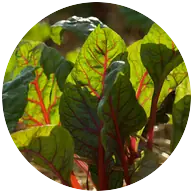
- Swiss chardSow or plant for fall Aug 6–20 in Portland.
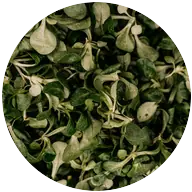
- MâcheSow or plant for fall Aug 13 – Sep 17 in Portland.
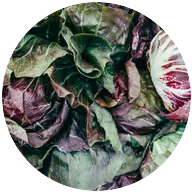
- RadicchioSow or plant for fall Jul 9–30 in Portland.


Cabbage family
- KaleSow or plant for fall Aug 6–20 in Portland.
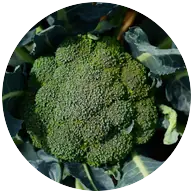
- BroccoliSow or plant for fall Jul 23 – Aug 6 in Portland.
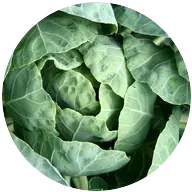
- CabbageSow or plant for fall Jul 23 – Aug 6 in Portland.
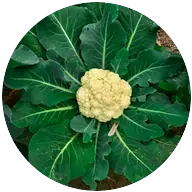
- CauliflowerSow or plant for fall Jul 16–30 in Portland.
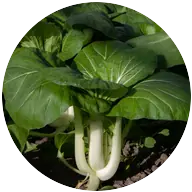
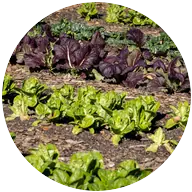
- Bok choySow or plant for fall Aug 20 – Sep 3 in Portland.
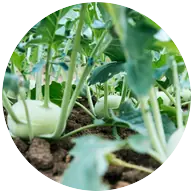
- KohlrabiSow or plant for fall Aug 13–27 in Portland.
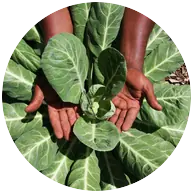
- CollardsSow or plant for fall Aug 6–20 in Portland.
- Mustard greensSow or plant for fall Aug 20 – Sep 10 in Portland.

Root vegetables
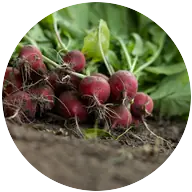
- RadishesSow or plant for fall Sep 3–17 in Portland.
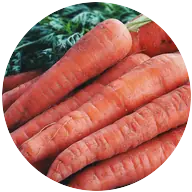
- CarrotsSow or plant for fall Jul 23 – Aug 6 in Portland.
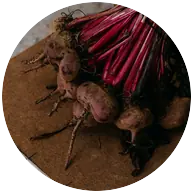
- BeetsSow or plant for fall Aug 6–20 in Portland.
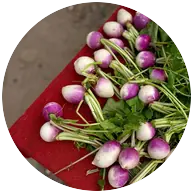
- TurnipsSow or plant for fall Aug 13–27 in Portland.
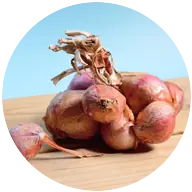
Onion family
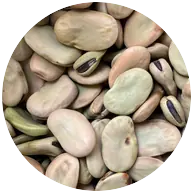
Peas and beans
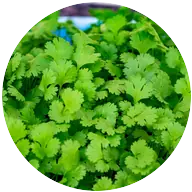
Herbs
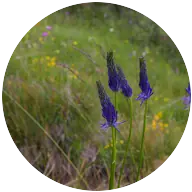
Native plants
Flowers
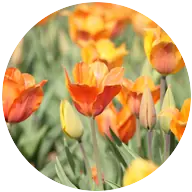
- TulipsPlant Oct 1 – Nov 15 in Portland.
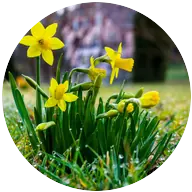
- DaffodilsPlant Oct 1 – Nov 15 in Portland.
- PeoniesPlant Oct 1 – Nov 15 in Portland.
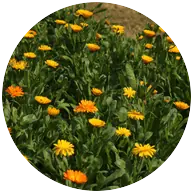
- CalendulaSow or plant for fall Aug 6–20 in Portland.

Common questions
When should I plant garlic in the Northwest?
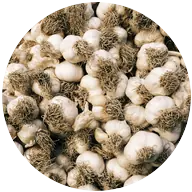
From about October to mid-November on the west side, and a few weeks earlier in the high desert. Plant cloves pointed end up, about 2 inches deep.
What vegetables can I plant in August?
Kale, collards, lettuce, spinach, arugula, mustard greens, mâche, radishes and turnips sown or set out in August grow into fall. Carrots and beets need to go in a little earlier, by late July or early August.
When do I plant tulips and daffodils?
After the soil cools in fall, usually October and November on the west side. They need weeks of winter chill to bloom in spring.