
Northwest gardens · 26 plants
Deer-resistant plants
Black-tailed deer on the west side and mule deer to the east browse gardens across the Northwest. No plant is truly deer-proof: a hungry deer in a dry August or a hard winter will try almost anything, and young plants are always at more risk. But some plants are reliably low on the menu.
Fences and other deer tips
The plants here have strong scents, bitter or toxic leaves, or tough, fuzzy or spiny foliage. Onion-family crops, most Mediterranean herbs, daffodils and several natives fall into that group. Lettuce, beans, peas, tulips, roses and fruit trees are the opposite: deer favorites that need a fence.
For a vegetable garden in deer country, a fence is the only sure protection; deer can clear about 8 feet when they want to. Planting deer-resistant herbs and flowers around the outside of a fenced bed, and in unfenced front yards, gives you a garden deer mostly walk past.
Root vegetables

Onion family
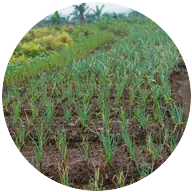
- OnionsPungent leaves deer avoid.
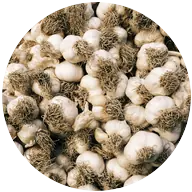
- GarlicStrong-smelling; deer leave it alone.
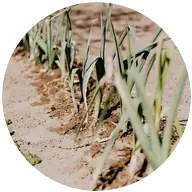
- LeeksPungent leaves deer avoid.
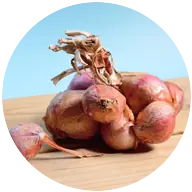
- ShallotsPungent leaves deer avoid.
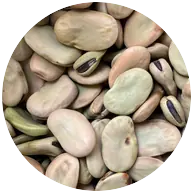
Peas and beans
Herbs
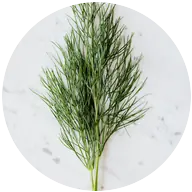
- DillStrong-scented, feathery leaves.
- ChivesOniony leaves deer avoid.
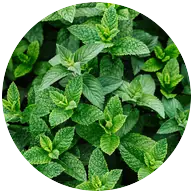
- MintStrong scent deer avoid.
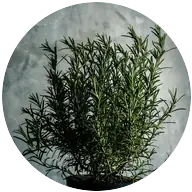
- RosemaryResinous, aromatic leaves.
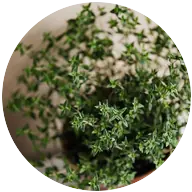
- ThymeAromatic and low; rarely browsed.
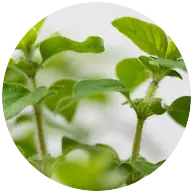
- OreganoAromatic leaves deer avoid.
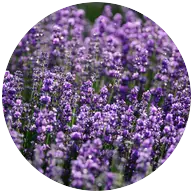
- LavenderStrongly scented; one of the most reliable.
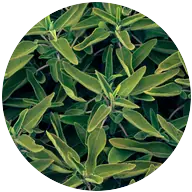
- SageFuzzy, aromatic leaves.
- TarragonAromatic leaves deer avoid.
- Lemon balmLemon-scented leaves deer avoid.


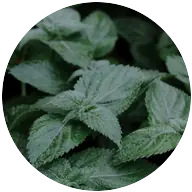
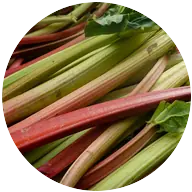
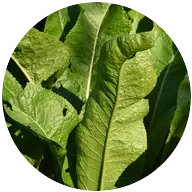
Perennial vegetables
Native plants
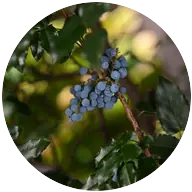
- Oregon grapeSpiny, holly-like leaves.
- KinnikinnickLeathery leaves; seldom browsed.
- Sword fernTough fronds deer rarely eat.
- Oregon irisTough, grassy leaves deer pass over.



Flowers
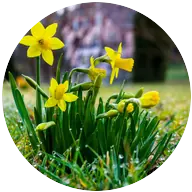
- DaffodilsPoisonous bulbs and leaves; deer and rodents won't touch them.
- PeoniesRarely browsed.
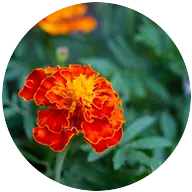
- MarigoldsPungent leaves deer usually skip.
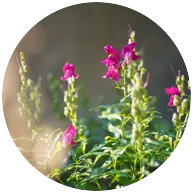
- SnapdragonsBitter leaves; seldom browsed.

Common questions
What vegetables won't deer eat?
Garlic, onions, leeks, shallots and potatoes are rarely eaten, and rhubarb leaves are poisonous to them. Most other vegetables, especially lettuce, beans and peas, need a fence.
Are any flowers deer-proof?
None are fully deer-proof, but daffodils come close because every part is poisonous. Lavender, peonies, snapdragons and marigolds are seldom browsed.
How high does a deer fence need to be?
About 8 feet for a reliable barrier. Two shorter fences a few feet apart, or a fence that leans outward, can also work because deer avoid jumping into tight spaces.