Timing and seasons · Oregon · Washington · Idaho
Why Northwest Gardeners Should Plant by Soil Temperature
The air warms up long before the soil does here. A $10 soil thermometer tells you when it's really time to plant beans, squash and tomatoes.
It happens every year. A sunny, 75-degree weekend arrives in April, garden centers fill with tomato and pepper starts, and everyone plants. Then the weather turns cool and wet again, and those plants sit there for a month, yellowing, or the bean seeds simply rot.
The reason is that, west of the Cascades, the soil warms up weeks after the air does. Portland's typical last frost is March 13, but the soil a few inches down often stays cold into May. Frost dates tell you when it's safe from freezing. Soil temperature tells you when warm-season crops will actually grow.
Soil temperatures to wait for
- 40°F and up: peas, spinach, lettuce, radishes and other cool-season crops will sprout, slowly.
- 50°F and up: carrots, beets, chard and onions grow well.
- 60°F and up: bush beans, sweet corn and cucumbers. Bean seeds planted into colder, wet soil often rot before they sprout.
- 65 to 70°F: tomatoes, peppers, squash and basil.
How to measure it
Push a soil thermometer about 4 inches into the bed in the morning, when soil is coolest, and check it for several days in a row. Once it holds at the target for about a week, you're ready. Soil thermometers cost around $10 at garden centers, and it's the cheapest garden tool that pays for itself.
How to warm soil faster
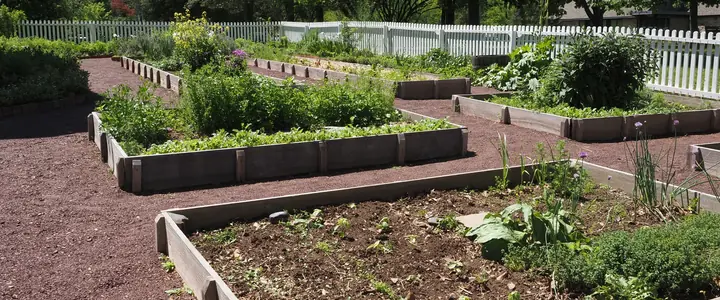
- Raised beds drain and warm sooner than ground-level beds.
- Black plastic laid over the bed for a week or two before planting raises the temperature several degrees. Cut holes and plant through it.
- Clear plastic or a cold frame warms soil even faster for early sowings.
- Wait to mulch. Straw and leaf mulches keep soil cool, which is great in July and a problem in May. Add them after the soil warms.
What happens if you plant too early
Cold soil doesn't just slow warm-season crops down. Bean, corn and squash seeds absorb water but can't grow, so they rot. Tomato and pepper transplants stop growing, and their leaves can turn purplish underneath because cold roots struggle to take up phosphorus. Plants set back this way often catch up only weeks after ones planted later into warm soil, so planting early rarely gains anything.
Too warm matters too
Soil temperature cuts both ways. Lettuce and spinach seed germinate poorly once soil goes much above about 80°F, which is why late-summer sowings for fall can come up patchy. Sow them in the cool of the evening, water the row well, and shade it with a board or a bit of shade cloth until the seedlings appear.
East of the Cascades
In the drier inland valleys, soil warms faster in spring than on the west side, so the gap between frost dates and planting dates is shorter. But frost comes later and nights stay cold, so a warm afternoon reading can mislead. Check in the morning there, too, and keep frost cover handy after planting.
Rainline Garden's planting dates already build in this soil-temperature delay for each region. Enter your ZIP to see yours.
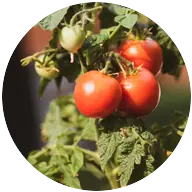 Tomatoes
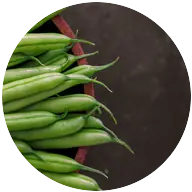 Bush beans
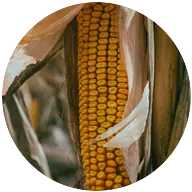 Sweet corn
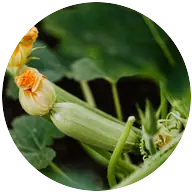 Zucchini and summer squash
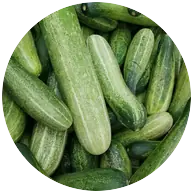 Cucumbers
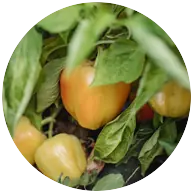 Peppers