
Frost dates and planting calendar
Centralia and Chehalis, WA
The typical last spring frost in Centralia and Chehalis is April 22, and the first fall frost is around October 27. Plant peas from Mar 11; plant tomatoes from May 15.
NOAA 1991–2020 frost normals, Centralia station. Where these dates come from
About Centralia and Chehalis
Centralia and Chehalis sit about halfway between Seattle and Portland, where the Chehalis and Skookumchuck rivers meet. The river bottoms are farmland, and the rivers are known for winter flooding, so low-lying beds can end up under water.
Chance of frost through the year
Frost over in 9 years out of 10: after May 10
Tomatoes go out May 15 – Jun 12, once the soil is warm
- Very likely
- Likely
- Possible
- Unlikely
In 9 years out of 10, the last spring frost has passed by May 10 and the first fall frost holds off until Oct 7.
What to plant now
Turn on JavaScript to see what's in season today. The full calendar is below.
Make a garden plan for Centralia and Chehalis Pick your plants and get a dated, printable to-do list.
West-side valleys. The Willamette Valley, Puget Sound and southern Oregon valleys. Long frost-free seasons, but soil stays cold and wet into May, so warm crops wait for warm soil, not just the last frost.
Gardening in Southwest Washington. Southwest Washington gardens share the Portland area's wet winters and dry summers. Heavy, wet soils are common, so raised beds help in spring, and slugs are the main pest in the rainy months.
Frost date isn't planting date. The typical last frost in Centralia and Chehalis is April 22, but tomatoes wait until May 15, about 3 weeks later, because the soil is still too cold for them to grow. Why soil temperature matters.
How the season in Centralia and Chehalis compares
With 188 frost-free days, Centralia and Chehalis have the 38th-longest season of the 86 Oregon, Washington and Idaho towns we cover. They run from 72 days in McCall to 330 days in Brookings and Gold Beach.
The typical last frost here, April 22, is the latest of the towns we cover in Southwest Washington: 24 days later than Vancouver and 14 days later than Longview and Kelso.
The gap between the typical last frost and the date it's over in 9 years out of 10 is 18 days, about average for the towns on this site. Frost after the typical date still happens about half the time, so plan on covering warm crops until May 10.
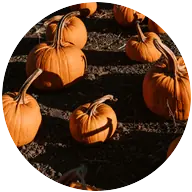
The season is long enough for every warm crop on our list, even pumpkins and sweet potatoes, to finish from a normal planting date.
For a fall and winter garden, sow carrots by August 6 and set out kale plants by August 20. Fall crops here are timed to the first frost (October 27 on average) and to shortening days.
Planting calendar
Pick a group to see when each plant goes in, or search for one.
Salad greens 7 plants
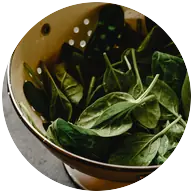
- SpinachPlant seeds in the ground
- Plant Mar 11 – Apr 15
- Again for fall Aug 20 – Sep 10
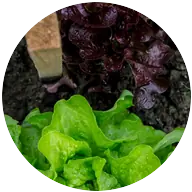
- LettucePlant seeds or young plants
- Indoors Jan 28 – Feb 11
- Plant Mar 11 – May 6
- Again for fall Aug 20 – Sep 3
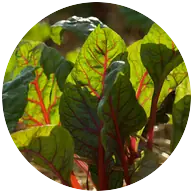
- Swiss chardPlant seeds in the ground
- Plant Mar 25 – May 20
- Again for fall Aug 6–20
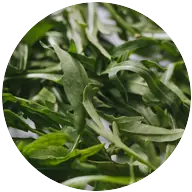
- ArugulaPlant seeds in the ground
- Plant Mar 11 – Apr 22
- Again for fall Aug 27 – Sep 17
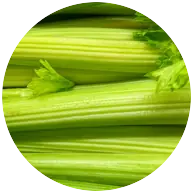
- CeleryPlant young plants (starts)
- Indoors Mar 6–20
- Plant May 15 – Jun 19
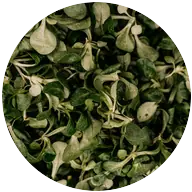
- MâchePlant seeds in the ground
- Plant Mar 11 – Apr 15
- Again for fall Aug 13 – Sep 17
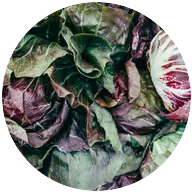
- RadicchioPlant seeds or young plants
- Indoors Feb 11–25
- Plant Mar 25 – Apr 29
- Again for fall Jul 9–30
Cabbage family 9 plants
- KalePlant young plants (starts)
- Indoors Feb 11–25
- Plant Mar 25 – May 6
- Again for fall Aug 6–20
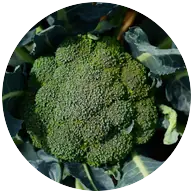
- BroccoliPlant young plants (starts)
- Indoors Feb 4–18
- Plant Mar 25 – Apr 29
- Again for fall Jul 23 – Aug 6
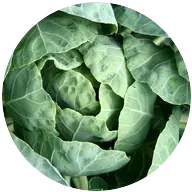
- CabbagePlant young plants (starts)
- Indoors Feb 4–18
- Plant Mar 25 – Apr 29
- Again for fall Jul 23 – Aug 6
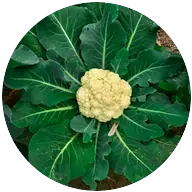
- CauliflowerPlant young plants (starts)
- Indoors Feb 4–18
- Plant Mar 25 – Apr 22
- Again for fall Jul 16–30
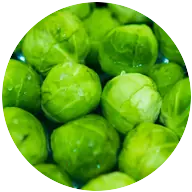
- Brussels sproutsPlant young plants (starts)
- Indoors Jan 28 – Feb 11
- Plant Mar 25 – May 6
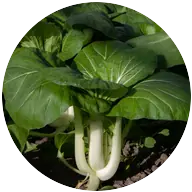
- Bok choyPlant seeds or young plants
- Indoors Feb 4–18
- Plant Mar 11 – Apr 15
- Again for fall Aug 20 – Sep 3
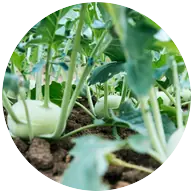
- KohlrabiPlant seeds or young plants
- Indoors Feb 11–25
- Plant Mar 25 – May 6
- Again for fall Aug 13–27
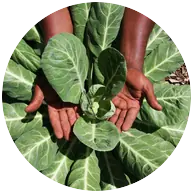
- CollardsPlant young plants (starts)
- Indoors Feb 11–25
- Plant Mar 25 – May 6
- Again for fall Aug 6–20
- Mustard greensPlant seeds in the ground
- Plant Mar 11 – Apr 22
- Again for fall Aug 20 – Sep 10
Root vegetables 7 plants
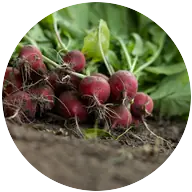
- RadishesPlant seeds in the ground
- Plant Mar 11 – May 6
- Again for fall Sep 3–17
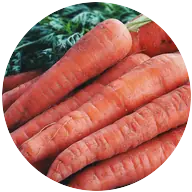
- CarrotsPlant seeds in the ground
- Plant Mar 25 – May 20
- Again for fall Jul 23 – Aug 6
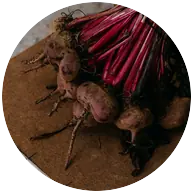
- BeetsPlant seeds in the ground
- Plant Mar 25 – May 20
- Again for fall Aug 6–20
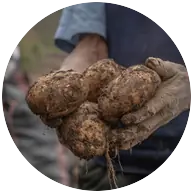
- PotatoesPlant seed potatoes
- Plant Mar 25 – May 6
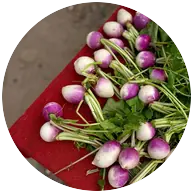
- TurnipsPlant seeds in the ground
- Plant Mar 11 – Apr 22
- Again for fall Aug 13–27
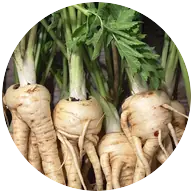
- ParsnipsPlant seeds in the ground
- Plant Mar 25 – May 6
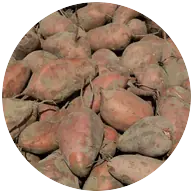
- Sweet potatoesPlant rooted cuttings (slips)
- Plant May 25 – Jun 15
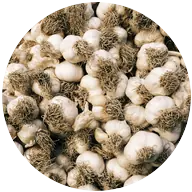
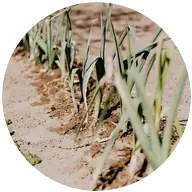
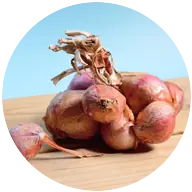
Onion family 4 plants
Peas and beans 4 plants
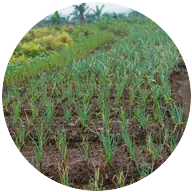
- PeasPlant seeds in the ground
- Plant Mar 11 – Apr 22
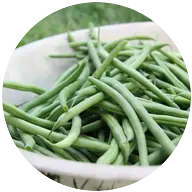
- Bush beansPlant seeds in the ground
- Plant May 10 – Jun 21
- Pole beansPlant seeds in the ground
- Plant May 10 – Jun 14
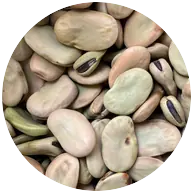
- Fava beansPlant seeds in the ground
- Plant Mar 11 – Apr 15
- Again for fall Oct 1–31

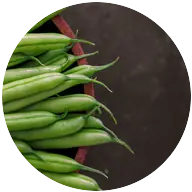
Tomatoes and summer crops 6 plants
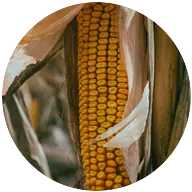
- Sweet cornPlant seeds in the ground
- Plant May 10 – Jun 14
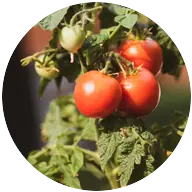
- TomatoesPlant young plants (starts)
- Indoors Mar 20 – Apr 3
- Plant May 15 – Jun 12
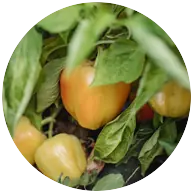
- PeppersPlant young plants (starts)
- Indoors Mar 16–30
- Plant May 25 – Jun 15
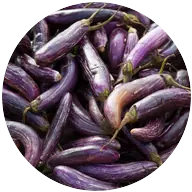
- EggplantPlant young plants (starts)
- Indoors Mar 16–30
- Plant May 25 – Jun 15
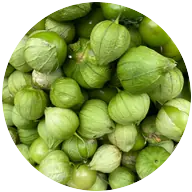
- TomatillosPlant young plants (starts)
- Indoors Mar 20 – Apr 3
- Plant May 15 – Jun 12
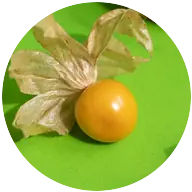
- Ground cherriesPlant young plants (starts)
- Indoors Mar 27 – Apr 10
- Plant May 15 – Jun 12
Squash, cucumbers and melons 5 plants
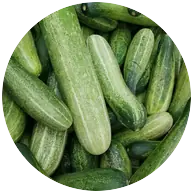
- CucumbersPlant seeds or young plants
- Indoors Apr 17–24
- Plant May 15 – Jun 12
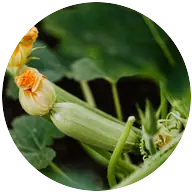
- Zucchini and summer squashPlant seeds or young plants
- Indoors Apr 17–24
- Plant May 15 – Jun 12
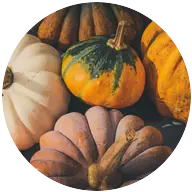
- Winter squashPlant seeds or young plants
- Indoors Apr 17–24
- Plant May 15 – Jun 5
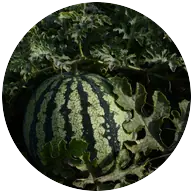
- MelonsPlant seeds or young plants
- Indoors Apr 27 – May 4
- Plant May 25 – Jun 15
- PumpkinsPlant seeds or young plants
- Indoors Apr 17–24
- Plant May 15 – Jun 5
Herbs 13 plants
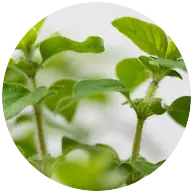
- BasilPlant young plants (starts)
- Indoors Apr 13–27
- Plant May 25 – Jun 22
- CilantroPlant seeds in the ground
- Plant Mar 11 – Apr 29
- Again for fall Aug 27 – Sep 10
- ParsleyPlant seeds or young plants
- Indoors Jan 28 – Feb 11
- Plant Mar 25 – May 13
- DillPlant seeds in the ground
- Plant Mar 25 – May 27
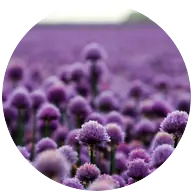
- ChivesPlant seeds or young plants
- Indoors Jan 28 – Feb 11
- Plant Mar 25 – May 20
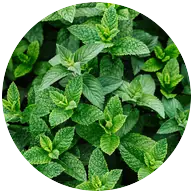
- MintPlant young plants
- Plant Mar 25 – May 20
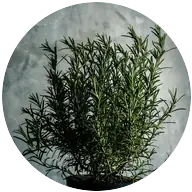
- RosemaryPlant young plants
- Plant Mar 25 – May 13
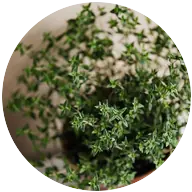
- ThymePlant young plants
- Plant Mar 25 – May 20
- OreganoPlant young plants
- Plant Mar 25 – May 20
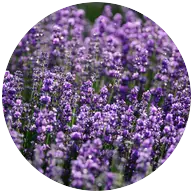
- LavenderPlant young plants
- Plant Mar 25 – May 20
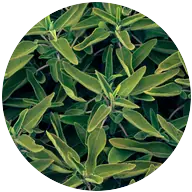
- SagePlant young plants
- Plant Mar 25 – May 20
- Lemon balmPlant young plants
- Plant Mar 25 – May 20
- TarragonPlant young plants
- Plant Mar 25 – May 20

Berries 10 plants
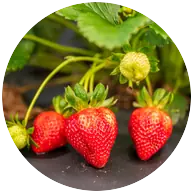
- StrawberriesPlant young plants
- Plant Mar 25 – May 6
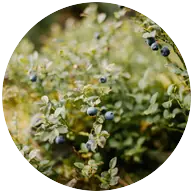
- BlueberriesPlant potted or bare-root bushes
- Plant Mar 25 – May 13
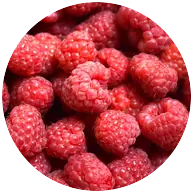
- RaspberriesPlant bare-root canes
- Plant Mar 25 – May 6
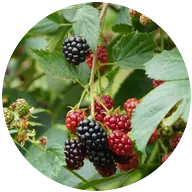
- BlackberriesPlant bare-root or potted canes
- Plant Mar 11 – Apr 29
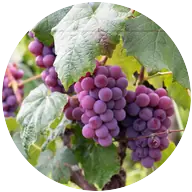
- GrapesPlant bare-root or potted vines
- Plant Mar 11 – May 6
- Hardy kiwiPlant potted vines
- Plant Mar 25 – May 13
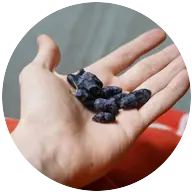
- HoneyberriesPlant potted bushes
- Plant Mar 11 – May 6
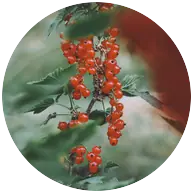
- CurrantsPlant bare-root or potted bushes
- Plant Mar 11 – May 6
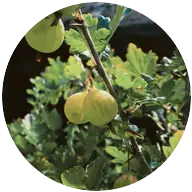
- GooseberriesPlant bare-root or potted bushes
- Plant Mar 11 – May 6
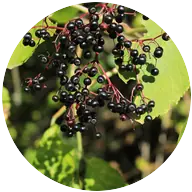
- ElderberriesPlant bare-root or potted shrubs
- Plant Mar 11 – May 6
Perennial vegetables 5 plants
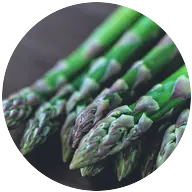
- AsparagusPlant dormant crowns
- Plant Mar 25 – May 6
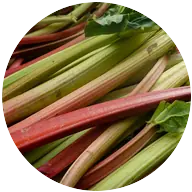
- RhubarbPlant dormant crowns
- Plant Mar 11 – Apr 22
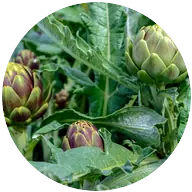
- ArtichokesPlant young plants (starts)
- Plant Mar 25 – May 6
- SorrelPlant seeds or young plants
- Plant Mar 11 – May 6
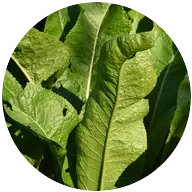
- HorseradishPlant root cuttings
- Plant Mar 11 – Apr 22

Fruit and nut trees 11 plants
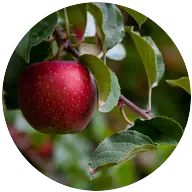
- Apple treesPlant bare-root or potted trees
- Plant Mar 11 – May 6
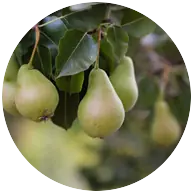
- Pear treesPlant bare-root or potted trees
- Plant Mar 11 – May 6
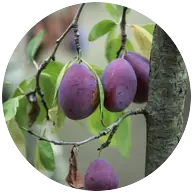
- Plum treesPlant bare-root or potted trees
- Plant Mar 11 – May 6
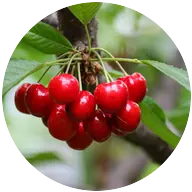
- Cherry treesPlant bare-root or potted trees
- Plant Mar 11 – May 6
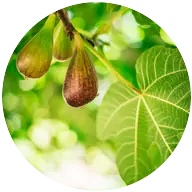
- Fig treesPlant potted trees
- Plant Mar 25 – May 20
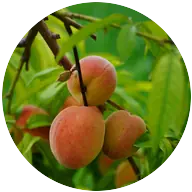
- Peach treesPlant bare-root or potted trees
- Plant Mar 11 – May 6
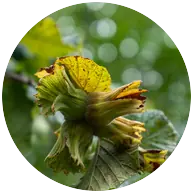
- Hazelnut treesPlant bare-root or potted trees
- Plant Mar 11 – May 6
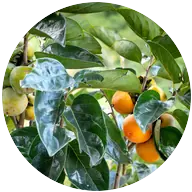
- Persimmon treesPlant bare-root or potted trees
- Plant Mar 11 – May 6
- Asian pear treesPlant bare-root or potted trees
- Plant Mar 11 – May 6
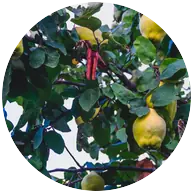
- Quince treesPlant bare-root or potted trees
- Plant Mar 11 – May 6
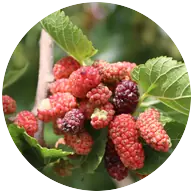
- Mulberry treesPlant bare-root or potted trees
- Plant Mar 11 – May 6
Native plants 15 plants
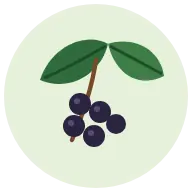
- HuckleberriesPlant potted shrubs
- Plant Mar 11 – May 6
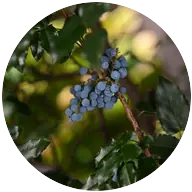
- Oregon grapePlant potted shrubs
- Plant Mar 11 – May 6
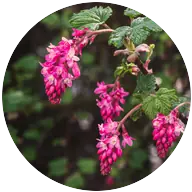
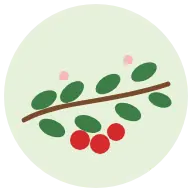
- Red-flowering currantPlant potted shrubs
- Plant Mar 11 – May 6
- ServiceberryPlant bare-root or potted shrubs
- Plant Mar 11 – May 6
- CamasPlant bulbs
- Fall Oct 1 – Nov 15
- ThimbleberryPlant bare-root or potted plants
- Plant Mar 11 – May 6
- SalmonberryPlant bare-root or potted shrubs
- Plant Mar 11 – May 6
- SalalPlant potted shrubs
- Plant Mar 11 – May 6
- KinnikinnickPlant potted plants
- Plant Mar 11 – May 6
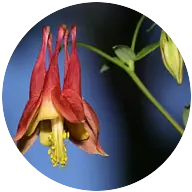
- Western columbinePlant potted plants or seeds
- Plant Mar 11 – May 6
- Douglas asterPlant potted plants
- Plant Mar 11 – May 6
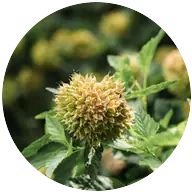
- Oregon sunshinePlant potted plants or seeds
- Plant Mar 11 – May 6
- Pacific ninebarkPlant bare-root or potted shrubs
- Plant Mar 11 – May 6
- Sword fernPlant potted plants
- Plant Mar 11 – May 6
- Oregon irisPlant potted plants or divisions
- Plant Mar 11 – May 6




Flowers 13 plants
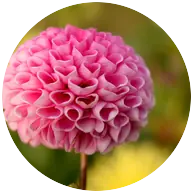
- DahliasPlant tubers
- Plant May 15 – Jun 12
- SunflowersPlant seeds in the ground
- Plant May 10 – Jun 21
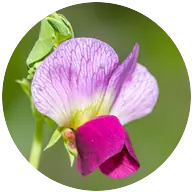
- Sweet peasPlant seeds in the ground
- Plant Mar 11 – Apr 15
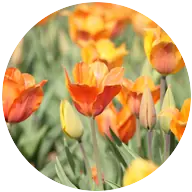
- TulipsPlant bulbs
- Fall Oct 1 – Nov 15
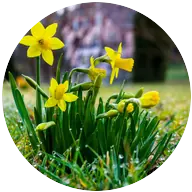
- DaffodilsPlant bulbs
- Fall Oct 1 – Nov 15
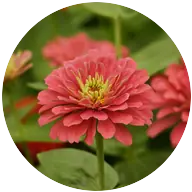
- ZinniasPlant seeds in the ground
- Plant May 10 – Jun 21
- PeoniesPlant bare-root divisions
- Fall Oct 1 – Nov 15
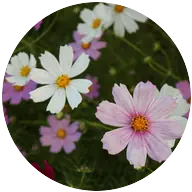
- CosmosPlant seeds or young plants
- Indoors Mar 29 – Apr 12
- Plant May 10 – Jun 21
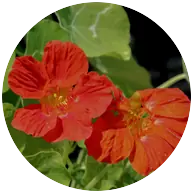
- NasturtiumsPlant seeds in the ground
- Plant May 10 – Jun 21
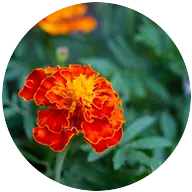
- MarigoldsPlant seeds or young plants
- Indoors Apr 3–17
- Plant May 15 – Jun 19
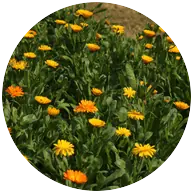
- CalendulaPlant seeds in the ground
- Plant Mar 25 – May 13
- Again for fall Aug 6–20
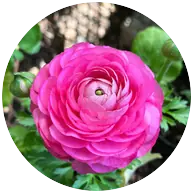
- RanunculusPlant soaked corms
- Plant Mar 25 – Apr 29
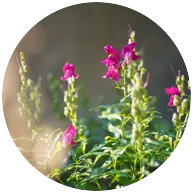
- SnapdragonsPlant seeds or young plants
- Indoors Jan 14–28
- Plant Mar 25 – May 6


- Start seeds indoors
- Plant in the garden
- Plant again for fall
- Today
- Frost possible
- Frost likely
New to this? Read the beginner's guide or look up a term in the glossary.
ZIP codes that use these dates: 98531, 98532, 98596. Look up another ZIP.
Where these dates come from
The frost dates for Centralia and Chehalis come from the NOAA weather station in Centralia, at 180 feet. It's the closest weather station to Centralia and Chehalis with NOAA's 1991–2020 frost records. It's a NOAA cooperative station, not an airport station.
They're NOAA's 1991–2020 climate normals: 30-year averages, not a forecast. How we pick each town's station.
Common questions about frost in Centralia and Chehalis
When is the last frost in Centralia and Chehalis?
April 22 in a typical year. Frost is over by May 10 in 9 years out of 10, Tender plants like tomatoes wait longer than that, for warm soil: see the tomato question below.
When is the first frost in Centralia and Chehalis?
Around October 27. It comes as early as October 7 in 1 year out of 10.
When can I plant tomatoes in Centralia and Chehalis?
Set out tomato plants May 15 – Jun 12, after starting seeds indoors Mar 20 – Apr 3.
When should I plant garlic in Centralia and Chehalis?
Plant garlic cloves Oct 1 – Nov 15, and harvest next summer when the lower leaves turn brown.
How long is the growing season in Centralia and Chehalis?
About 188 frost-free days, longer than most of the 86 Oregon, Washington and Idaho towns we cover.