
Oregon · Washington · Idaho
When to plant radicchio
Plant in the garden: Portland and Seattle Mar 15 – Apr 19; Spokane Apr 15 – May 20; Boise Apr 1 – May 6; Bend May 12 – Jun 16.
Your dates in
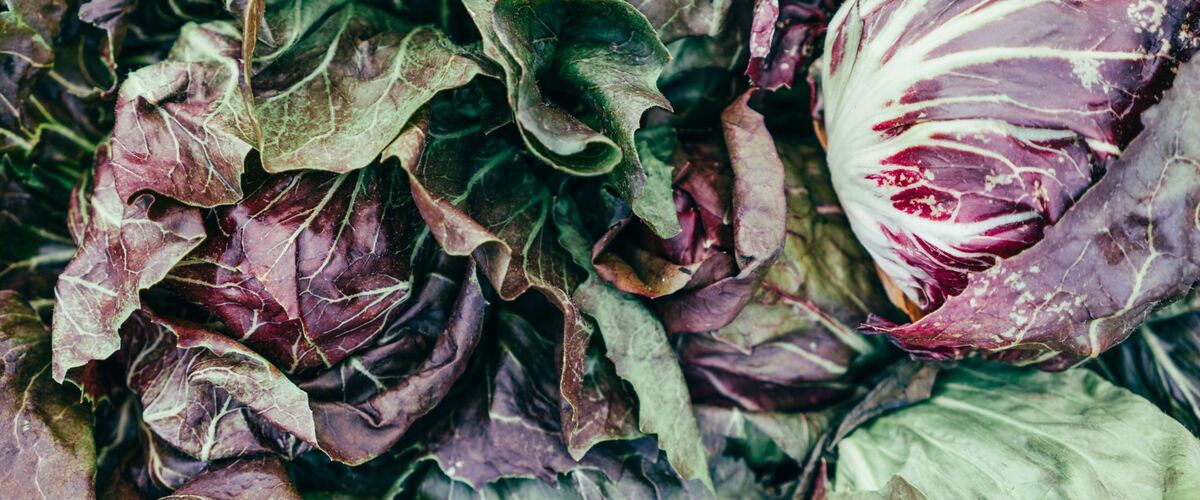
Radicchio is a leaf chicory, related to endive and escarole, grown for crisp, bitter, wine-red leaves. It's eaten raw in salads, where a little goes a long way, or grilled and roasted, which mellows the bitterness. Types are named for towns in northern Italy: round Chioggia, long Treviso and speckled Castelfranco.
Puts radicchio on your free plan, with dates for your town and a spot in your beds.
- Difficulty
- Moderate
- Sun
- Full sun
- Spacing
- 8 to 12 inches apart
- Planting depth
- ¼ inch deep
- Frost
- Handles light frost; heads sweeten in cold weather
- First harvest
- About 85 days after planting
A bitter Italian chicory that forms tight red heads. Spring plantings often bolt, so most Northwest growers sow in midsummer for heads in fall, when cool nights sweeten the leaves and deepen the color.
Radicchio planting dates
| Towns | Start seeds indoors | Plant in the garden | Plant again for fall |
|---|---|---|---|
| Portland, OR, Seattle and Tacoma, WA | Feb 1–15 | Mar 15 – Apr 19 | Jul 9–30 |
| Spokane, WA | Mar 4–18 | Apr 15 – May 20 | Jul 6–27 |
| Boise and Meridian, ID, Astoria, OR | Feb 18 – Mar 4 | Apr 1 – May 6 | Jul 9–30 |
| Bend and Redmond, OR | Mar 31 – Apr 14 | May 12 – Jun 16 | — |
Dates for six main cities. For any of the other 80 towns, type it in the box at the top of the page or browse all towns.
| Gresham, OR, Oregon City and West Linn, OR, Portland, OR, St. Helens and Scappoose, OR, Wilsonville and Canby, OR | Feb 1–15 | Mar 15 – Apr 19 | Jul 9–30 |
|---|---|---|---|
| Hillsboro and Beaverton, OR | Feb 5–19 | Mar 19 – Apr 23 | Jul 9–30 |
| Corvallis and Albany, OR, Eugene, OR, Salem, OR | Feb 1–15 | Mar 15 – Apr 19 | Jul 9–30 |
|---|---|---|---|
| Cottage Grove, OR | Feb 13–27 | Mar 27 – May 1 | Jul 9–30 |
| McMinnville and Newberg, OR | Feb 4–18 | Mar 18 – Apr 22 | Jul 9–30 |
| Ashland and Talent, OR | Feb 25 – Mar 11 | Apr 8 – May 13 | Jul 2–23 |
|---|---|---|---|
| Grants Pass, OR, Medford, OR, Roseburg, OR | Feb 1–15 | Mar 15 – Apr 19 | Jul 9–30 |
| Astoria, OR, Brookings and Gold Beach, OR, Coos Bay and North Bend, OR, Newport and Lincoln City, OR, Tillamook, OR | Feb 18 – Mar 4 | Apr 1 – May 6 | Jul 9–30 |
|---|
| Bend and Redmond, OR, Klamath Falls, OR | Mar 31 – Apr 14 | May 12 – Jun 16 | — |
|---|---|---|---|
| Burns, OR | Apr 2–16 | May 14 – Jun 18 | — |
| Lakeview, OR | Mar 26 – Apr 9 | May 7 – Jun 11 | — |
| Madras, OR | Mar 10–24 | Apr 21 – May 26 | Jun 28 – Jul 19 |
| Prineville, OR | Mar 23 – Apr 6 | May 4 – Jun 8 | — |
| Baker City, OR | Mar 16–30 | Apr 27 – Jun 1 | — |
|---|---|---|---|
| Enterprise and Joseph, OR | Mar 15–29 | Apr 26 – May 31 | Jun 25 – Jul 16 |
| Hermiston, OR | Feb 18 – Mar 4 | Apr 1 – May 6 | Jul 4–25 |
| Hood River, OR | Feb 18 – Mar 4 | Apr 1 – May 6 | Jul 7–28 |
| John Day, OR | Mar 19 – Apr 2 | Apr 30 – Jun 4 | — |
| La Grande, OR | Mar 4–18 | Apr 15 – May 20 | Jun 25 – Jul 16 |
| Ontario, OR | Feb 18 – Mar 4 | Apr 1 – May 6 | Jul 8–29 |
| Pendleton, OR, The Dalles, OR | Feb 18 – Mar 4 | Apr 1 – May 6 | Jul 9–30 |
| Bremerton and Port Orchard, WA, Everett, WA, Kent, Renton and Auburn, WA, Seattle and Tacoma, WA | Feb 1–15 | Mar 15 – Apr 19 | Jul 9–30 |
|---|---|---|---|
| Olympia, WA | Feb 18 – Mar 4 | Apr 1 – May 6 | Jul 8–29 |
| Shelton, WA | Feb 16 – Mar 2 | Mar 30 – May 4 | Jul 9–30 |
| Anacortes, WA, Bellingham, WA, Friday Harbor and the San Juans, WA, Mount Vernon and Burlington, WA, Oak Harbor and Whidbey Island, WA | Feb 1–15 | Mar 15 – Apr 19 | Jul 9–30 |
|---|
| Aberdeen and Hoquiam, WA, Forks, WA, Long Beach and Ilwaco, WA | Feb 18 – Mar 4 | Apr 1 – May 6 | Jul 9–30 |
|---|---|---|---|
| Port Angeles, WA, Port Townsend, WA | Feb 1–15 | Mar 15 – Apr 19 | Jul 9–30 |
| Sequim, WA | Feb 10–24 | Mar 24 – Apr 28 | Jul 9–30 |
| Centralia and Chehalis, WA | Feb 11–25 | Mar 25 – Apr 29 | Jul 9–30 |
|---|---|---|---|
| Longview and Kelso, WA, Vancouver, WA | Feb 1–15 | Mar 15 – Apr 19 | Jul 9–30 |
| Chelan, WA, Wenatchee, WA | Feb 18 – Mar 4 | Apr 1 – May 6 | Jul 9–30 |
|---|---|---|---|
| Leavenworth, WA | Mar 4–18 | Apr 15 – May 20 | Jun 24 – Jul 15 |
| Omak and Okanogan, WA | Mar 4–18 | Apr 15 – May 20 | Jul 1–22 |
| Winthrop and Twisp, WA | Mar 6–20 | Apr 17 – May 22 | Jun 16 – Jul 7 |
| Ellensburg, WA | Mar 4–18 | Apr 15 – May 20 | Jul 1–22 |
|---|---|---|---|
| Ephrata and Quincy, WA, Walla Walla, WA | Feb 18 – Mar 4 | Apr 1 – May 6 | Jul 9–30 |
| Goldendale, WA | Mar 10–24 | Apr 21 – May 26 | Jun 19 – Jul 10 |
| Moses Lake, WA | Feb 18 – Mar 4 | Apr 1 – May 6 | Jul 2–23 |
| Sunnyside, Grandview and Prosser, WA | Feb 20 – Mar 6 | Apr 3 – May 8 | Jun 30 – Jul 21 |
| Tri-Cities (Pasco, Kennewick, Richland), WA | Feb 18 – Mar 4 | Apr 1 – May 6 | Jul 5–26 |
| Yakima, WA | Feb 27 – Mar 13 | Apr 10 – May 15 | Jun 28 – Jul 19 |
| Colville, WA, Pullman, WA | Mar 4–18 | Apr 15 – May 20 | Jun 26 – Jul 17 |
|---|---|---|---|
| Spokane, WA | Mar 4–18 | Apr 15 – May 20 | Jul 6–27 |
| Bonners Ferry, ID | Mar 4–18 | Apr 15 – May 20 | Jun 28 – Jul 19 |
|---|---|---|---|
| Coeur d'Alene and Post Falls, ID | Mar 4–18 | Apr 15 – May 20 | Jul 9–30 |
| Sandpoint, ID | Mar 4–18 | Apr 15 – May 20 | Jun 22 – Jul 13 |
| Lewiston, ID | Feb 18 – Mar 4 | Apr 1 – May 6 | Jul 9–30 |
|---|---|---|---|
| Moscow, ID | Mar 4–18 | Apr 15 – May 20 | Jun 26 – Jul 17 |
| Boise and Meridian, ID | Feb 18 – Mar 4 | Apr 1 – May 6 | Jul 9–30 |
|---|---|---|---|
| Emmett, ID | Feb 19 – Mar 5 | Apr 2 – May 7 | Jul 9–30 |
| McCall, ID | Apr 13–27 | May 25 – Jun 29 | — |
| Nampa and Caldwell, ID | Feb 18 – Mar 4 | Apr 1 – May 6 | Jul 7–28 |
| Burley and Rupert, ID, Twin Falls, ID | Mar 4–18 | Apr 15 – May 20 | Jun 28 – Jul 19 |
|---|---|---|---|
| Idaho Falls, ID | Mar 4–18 | Apr 15 – May 20 | Jun 25 – Jul 16 |
| Pocatello, ID | Mar 4–18 | Apr 15 – May 20 | Jul 5–26 |
| Rexburg, ID | Mar 4–18 | Apr 15 – May 20 | Jun 18 – Jul 9 |
| Salmon, ID | Mar 8–22 | Apr 19 – May 24 | Jun 18 – Jul 9 |
Radicchio year at a glance
| Task | J | F | M | A | M | J | J | A | S | O | N | D |
|---|---|---|---|---|---|---|---|---|---|---|---|---|
| Start indoors | Feb | |||||||||||
| Plant | Mar | Apr | Jul | |||||||||
| Harvest | Sep | Oct | Nov | Dec |
Around Portland. Colder towns, especially east of the Cascades, run a few weeks later; the table above has your town's planting dates.
How to grow radicchio
- Start seeds indoors on your city's dates in trays or small pots under a grow light or in your sunniest window. Or skip this step and buy young plants (starts) at a garden center.
- Harden off the young plants: about a week before planting, set them outside for a few hours a day, a little longer each day.
- Plant them in the garden on your city's dates, 8 to 12 inches apart. If you plant seeds instead, sow them ¼ inch deep.
- Water deeply once or twice a week rather than a little every day, and mulch once the soil is warm.
- Plant again on your city's dates for a fall harvest.
- Harvest: Cut heads at the base when they feel firm, usually in fall. Leaves stay green and loose in summer heat; the red color and tight heads come with cool nights.
Growing radicchio in your part of the Northwest
The same plant behaves differently on the wet west side, the foggy coast and the dry, colder east side.
West-side valleys
Willamette Valley, Puget Sound, southern Oregon
Radicchio is traditionally a fall and winter crop. Plants set out in summer form heads in fall, and cold weather mellows the bitterness.
Coast
Oregon and Washington coast
Cool summers suit radicchio, and fall heads are often excellent.
East of the Cascades
Columbia Basin, Yakima, Boise, Spokane, north Idaho
Summer heat makes radicchio bitter and bolt-prone, so plant in midsummer for fall heads.
High desert and mountain towns
Central Oregon, high eastern Oregon valleys, McCall, Salmon
Plant in early summer for fall heads. Plants handle light frost.
More radicchio varieties
More widely sold picks that do well somewhere in the Northwest. The tag says which part of the Northwest suits each one best.
Palla Rossa
Tight, round red-and-white heads. Sown in midsummer, it heads up reliably in the cool fall weather west of the Cascades.
West side
Rossa di Treviso
Elongated heads like a red romaine. The color deepens after cold nights; good for grilling.
Both sides
Indigo
A modern hybrid that forms dense, deep red heads more reliably than older types, and it's slow to bolt.
Both sides
Castelfranco
Creamy leaves speckled with red, milder than most radicchio. Beautiful in salads, and best from late-summer sowings.
West side
How much to grow
How many to plant
For a family of four, 10 to 15 plants sown in midsummer.
What to expect
One head per plant.
Storing the harvest
Heads keep two to four weeks in the fridge.
Key numbers
- MidsummerBest sowing
- 80–90Days to heads
- 6.0–7.0Soil pH
- BoltingBiggest risk
Top care tip: Water steadily through summer so plants keep growing, and be patient: the heads form as nights cool in fall.
Growing notes
What makes the difference in Northwest gardens, in plain language.
Why timing matters
Radicchio is a chicory, grown for its bitter, red-and-white heads. Like other chicories it responds to day length and temperature: plants sown in spring often send up a flower stalk in summer instead of forming a head.
That's why most Northwest growers sow in June or July, alone or in trays to transplant. Plants grow leaves through summer and form tight heads as nights cool in fall. The cold also turns the leaves a deeper red and takes the edge off the bitterness.
Planting and growing
Sow seeds ¼ inch deep, or start them in trays and transplant at about four weeks old, 8 to 12 inches apart. Keep the soil evenly moist through summer heat so plants don't stall.
Don't worry if summer leaves look green and loose. The outer leaves protect the head, which forms in the center later. Modern hybrids like Indigo head up more reliably than older open-pollinated types.
Harvest and storage
Cut heads at the base when they feel firm, from September through late fall. West of the Cascades, radicchio handles light frost and some varieties hold in the garden into early winter.
Peel off and compost the tattered outer leaves; the head inside is clean. Heads keep for weeks in the fridge. If a plant never forms a head, cut it back to an inch or two in early fall and it may regrow a small one.
Good neighbors and crop rotation
Good neighbors
- Lettuce. Similar needs; lettuce is picked in summer while radicchio grows.
- Leeks. Share the bed into late fall.
Daisy family: Lettuce and radicchio have few soil-borne problems and fit anywhere in a rotation. If you've had lettuce drop, a white mold that collapses whole plants, keep them out of that bed for at least three years.
Pests and problems
What most often goes wrong with radicchio in Northwest gardens, how to spot it and what to do.
Slugs
Signs: Slugs hiding inside heads in fall.
What to do: Slug bait and harvest promptly.
No heads
Signs: Loose, green leaves.
What to do: Sow in midsummer; cool fall nights make it head and color up.
Common questions about growing radicchio
When should I plant radicchio in Oregon, Washington and Idaho?
Plant in the garden: Mar 15 – Apr 19 in Portland and Seattle, Apr 15 – May 20 in Spokane, Apr 1 – May 6 in Boise and May 12 – Jun 16 in Bend. Pick your town at the top of the page for your own dates.
Why didn't my radicchio form a head?
Usually it was sown at the wrong time. Spring sowings often bolt, and some older varieties are unreliable. Sow a modern hybrid in midsummer and give it steady water.
Why is my radicchio green instead of red?
The red color develops in cool weather. Leaves stay green through summer, and heads color up as nights cool in fall.
How do I make radicchio less bitter?
Harvest after a few cool nights, soak cut leaves in cold water for half an hour, or grill or roast them. Cooking mellows the bitterness.
See what else to plant in February, March, April or July.
 Lettuce
 Spinach
 Arugula
 Swiss chard
 Celery
 Mâche