
When to plant · 11 plants
Fruit and nut trees
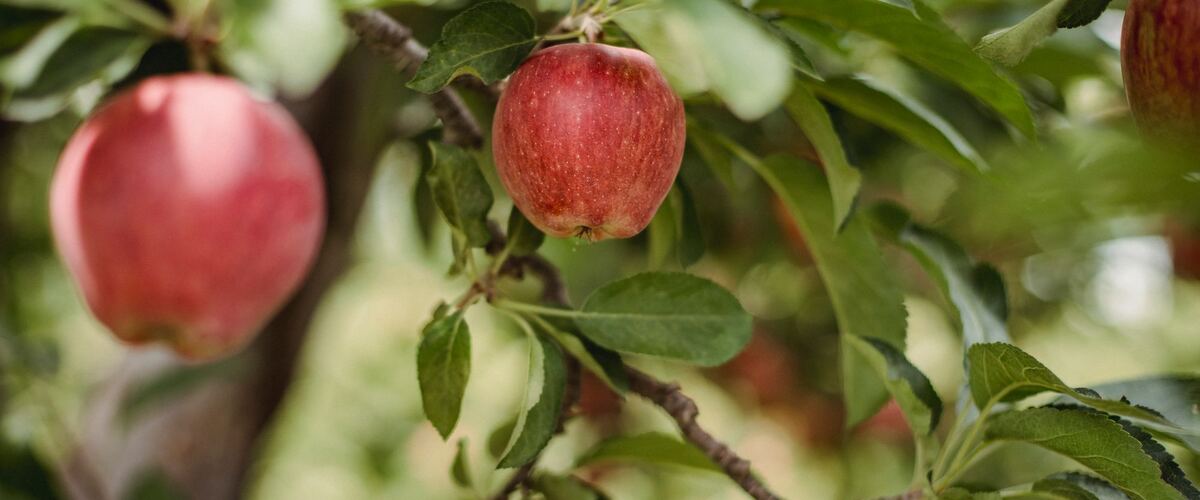
Apples, pears, plums, persimmons and hazelnuts. Plant bare-root trees in late winter and early spring. Pick one for its dates in your town and how to grow it.
- Apple treesModerate
- Pear treesEasy
- Plum treesEasy
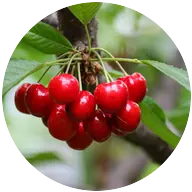
- Cherry treesTricky here
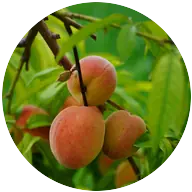
- Peach treesTricky here
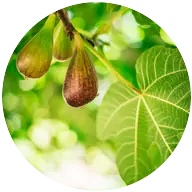
- Fig treesModerate
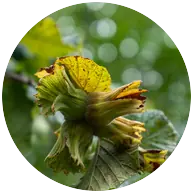
- Hazelnut treesEasy
- Asian pear treesModerate
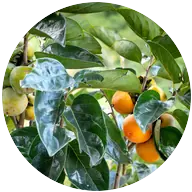
- Persimmon treesModerate
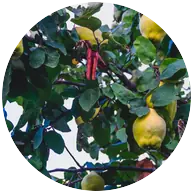
- Quince treesModerate
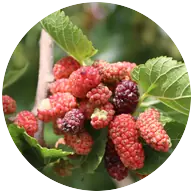
- Mulberry treesEasy
Planting order
When each one first goes in around Portland, starting indoors where that comes first. Colder towns run later.
Planting windows at a glance
Main planting window in five reference towns. Each plant's page has every town.
| Plant | Portland | Seattle and Tacoma | Bend and Redmond | Spokane | Boise and Meridian |
|---|---|---|---|---|---|
| Apple trees | Mar 1 – Apr 26 | Mar 1 – Apr 26 | Apr 28 – Jun 23 | Apr 1 – May 27 | Mar 20 – May 15 |
| Pear trees | Mar 1 – Apr 26 | Mar 1 – Apr 26 | Apr 28 – Jun 23 | Apr 1 – May 27 | Mar 20 – May 15 |
| Plum trees | Mar 1 – Apr 26 | Mar 1 – Apr 26 | Apr 28 – Jun 23 | Apr 1 – May 27 | Mar 20 – May 15 |
| Cherry trees | Mar 1 – Apr 26 | Mar 1 – Apr 26 | Apr 28 – Jun 23 | Apr 1 – May 27 | Mar 20 – May 15 |
| Peach trees | Mar 1 – Apr 26 | Mar 1 – Apr 26 | Apr 28 – Jun 23 | Apr 1 – May 27 | Mar 20 – May 15 |
| Fig trees | Mar 15 – May 10 | Mar 15 – May 10 | May 12 – Jul 7 | Apr 15 – Jun 10 | Apr 1 – May 27 |
| Hazelnut trees | Mar 1 – Apr 26 | Mar 1 – Apr 26 | Apr 28 – Jun 23 | Apr 1 – May 27 | Mar 20 – May 15 |
| Asian pear trees | Mar 1 – Apr 26 | Mar 1 – Apr 26 | Apr 28 – Jun 23 | Apr 1 – May 27 | Mar 20 – May 15 |
| Persimmon trees | Mar 1 – Apr 26 | Mar 1 – Apr 26 | Apr 28 – Jun 23 | Apr 1 – May 27 | Mar 20 – May 15 |
| Quince trees | Mar 1 – Apr 26 | Mar 1 – Apr 26 | Apr 28 – Jun 23 | Apr 1 – May 27 | Mar 20 – May 15 |
| Mulberry trees | Mar 1 – Apr 26 | Mar 1 – Apr 26 | Apr 28 – Jun 23 | Apr 1 – May 27 | Mar 20 – May 15 |
Growing fruit and nut trees in the Northwest
Fruit and nut trees are a long-term choice, so variety matters more here than for any other plant. The Northwest's wet springs make disease the main challenge: scab on apples, peach leaf curl on peaches, brown rot on cherries and plums, and eastern filbert blight on hazelnuts. Resistant varieties, listed on each tree's page, save years of spraying.
Late winter to early spring is the time to plant bare-root trees, while they're dormant and the soil is moist. Choose a sunny spot with good air flow and soil that drains; trees sitting in winter-wet clay often decline. Many apples, pears, sweet cherries and plums need a second, compatible variety nearby for pollination, so check before you buy.
Dwarf and semi-dwarf rootstocks keep trees small enough to prune, net and pick from the ground, which suits most home gardens. Expect two to five years before a real crop. Figs and self-fertile plums are among the easier trees for west-side gardens.
Common questions
When should I plant fruit trees in the Northwest?
Bare-root trees go in from late winter to early spring while they're dormant. Potted trees can be planted in spring or fall.
Which fruit trees are easiest west of the Cascades?
Scab-resistant apples, Asian and European pears, figs in a warm spot, and self-fertile plums. Peaches are the hardest because of peach leaf curl in wet springs.
Do I need two fruit trees for pollination?
Many apples, pears, sweet cherries and plums need a second compatible variety nearby. Figs, quince, most persimmons, sour cherries and some plums fruit alone. Each tree's page says which.
Guides for these plants
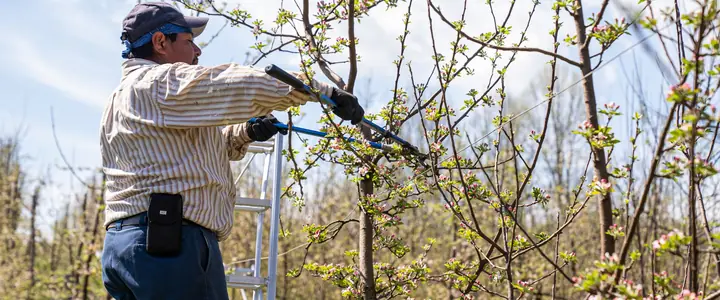 Winter Pruning for Apple and Pear TreesLate winter is the time to prune apples and pears. Which cuts to make, how much to take off, and why cherries, plums and peaches wait for a different season.
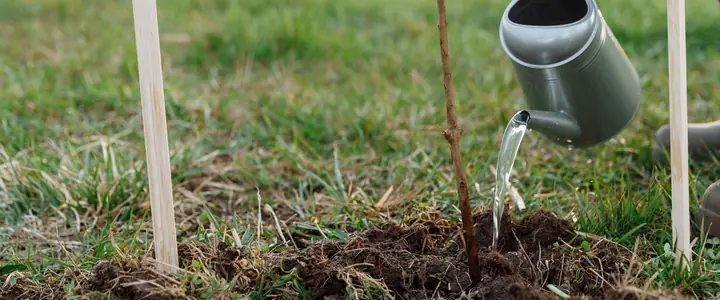 How to Plant Bare-Root Fruit Trees in the NorthwestLate winter is fruit tree season. How to choose, store and plant a bare-root apple, pear, plum or cherry so it gets off to a strong start.
Other plant types
- Salad greens
- Cabbage family
- Root vegetables
- Onion family
- Peas and beans
- Tomatoes and summer crops
- Squash, cucumbers and melons
- Herbs
- Berries
- Perennial vegetables
- Native plants
- Flowers
 Salad greens
 Cabbage family
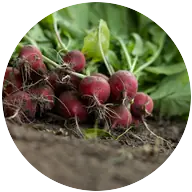 Root vegetables
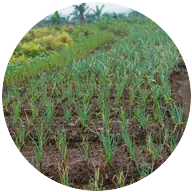 Onion family
 Peas and beans
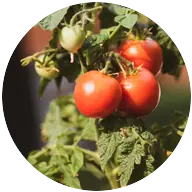 Tomatoes and summer crops
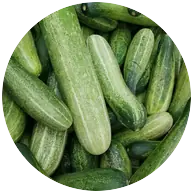 Squash, cucumbers and melons
 Herbs
 Berries
 Perennial vegetables
 Native plants
 Flowers