
Oregon · Washington · Idaho
When to plant grapes
Plant in the garden: Portland and Seattle Mar 1 – Apr 26; Spokane Apr 1 – May 27; Boise Mar 20 – May 15; Bend Apr 28 – Jun 23.
Your dates in
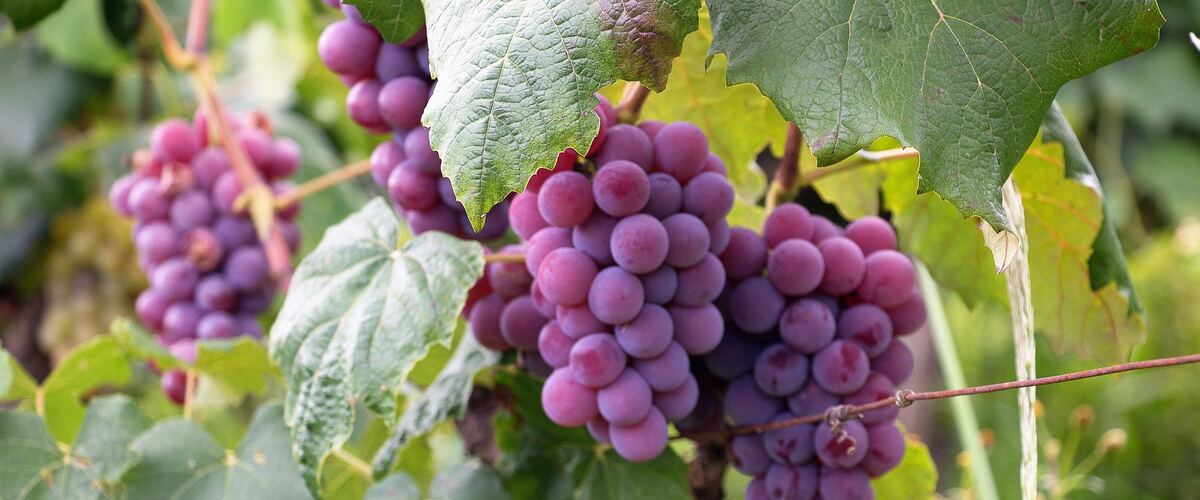
Grapes are woody vines grown for table grapes, juice, raisins and wine. Table grapes are bred for eating fresh and are often seedless, while wine grapes are smaller, with thicker skins and seeds. Washington is the country's second-largest wine producer after California.
Puts grapes on your free plan, with dates for your town and a spot in your beds.
- Difficulty
- Moderate
- Sun
- Full sun; a warm south-facing spot
- Spacing
- 6 to 8 feet apart along a trellis
- Planting depth
- Same depth as in the pot
- Frost
- Hardy perennial; comes back every year
- First harvest
- First bunches in year three
West of the Cascades, pick early table grapes like Interlaken, Himrod or Canadice; late wine grapes rarely ripen in a backyard here. Hot eastern valleys grow Concord and many wine grapes easily.
Grape planting dates
| Towns | Plant in the garden |
|---|---|
| Portland, OR, Seattle and Tacoma, WA | Mar 1 – Apr 26 |
| Spokane, WA | Apr 1 – May 27 |
| Boise and Meridian, ID | Mar 20 – May 15 |
| Bend and Redmond, OR | Apr 28 – Jun 23 |
| Astoria, OR | Mar 25 – May 20 |
Dates for six main cities. For any of the other 80 towns, type it in the box at the top of the page or browse all towns.
| Gresham, OR, Oregon City and West Linn, OR, Portland, OR, St. Helens and Scappoose, OR, Wilsonville and Canby, OR | Mar 1 – Apr 26 |
|---|---|
| Hillsboro and Beaverton, OR | Mar 5 – Apr 30 |
| Corvallis and Albany, OR, Eugene, OR, Salem, OR | Mar 1 – Apr 26 |
|---|---|
| Cottage Grove, OR | Mar 13 – May 8 |
| McMinnville and Newberg, OR | Mar 4 – Apr 29 |
| Ashland and Talent, OR | Mar 25 – May 20 |
|---|---|
| Grants Pass, OR, Medford, OR, Roseburg, OR | Mar 1 – Apr 26 |
| Astoria, OR, Brookings and Gold Beach, OR, Coos Bay and North Bend, OR, Newport and Lincoln City, OR, Tillamook, OR | Mar 25 – May 20 |
|---|
| Bend and Redmond, OR, Klamath Falls, OR | Apr 28 – Jun 23 |
|---|---|
| Burns, OR | Apr 30 – Jun 25 |
| Lakeview, OR | Apr 23 – Jun 18 |
| Madras, OR, Prineville, OR | Apr 20 – Jun 15 |
| Baker City, OR, Enterprise and Joseph, OR, John Day, OR | Apr 20 – Jun 15 |
|---|---|
| Hermiston, OR, Hood River, OR, Ontario, OR, Pendleton, OR, The Dalles, OR | Mar 20 – May 15 |
| La Grande, OR | Apr 1 – May 27 |
| Bremerton and Port Orchard, WA, Everett, WA, Kent, Renton and Auburn, WA, Seattle and Tacoma, WA | Mar 1 – Apr 26 |
|---|---|
| Olympia, WA | Mar 18 – May 13 |
| Shelton, WA | Mar 16 – May 11 |
| Anacortes, WA, Bellingham, WA, Friday Harbor and the San Juans, WA, Mount Vernon and Burlington, WA, Oak Harbor and Whidbey Island, WA | Mar 1 – Apr 26 |
|---|
| Aberdeen and Hoquiam, WA, Forks, WA, Long Beach and Ilwaco, WA | Mar 25 – May 20 |
|---|---|
| Port Angeles, WA, Port Townsend, WA | Mar 1 – Apr 26 |
| Sequim, WA | Mar 10 – May 5 |
| Centralia and Chehalis, WA | Mar 11 – May 6 |
|---|---|
| Longview and Kelso, WA, Vancouver, WA | Mar 1 – Apr 26 |
| Chelan, WA, Wenatchee, WA | Mar 20 – May 15 |
|---|---|
| Leavenworth, WA, Omak and Okanogan, WA | Apr 1 – May 27 |
| Winthrop and Twisp, WA | Apr 3 – May 29 |
| Ellensburg, WA | Apr 1 – May 27 |
|---|---|
| Ephrata and Quincy, WA, Moses Lake, WA, Sunnyside, Grandview and Prosser, WA, Tri-Cities (Pasco, Kennewick, Richland), WA, Walla Walla, WA | Mar 20 – May 15 |
| Goldendale, WA | Apr 7 – Jun 2 |
| Yakima, WA | Mar 27 – May 22 |
| Colville, WA, Pullman, WA, Spokane, WA | Apr 1 – May 27 |
|---|
| Bonners Ferry, ID, Coeur d'Alene and Post Falls, ID, Sandpoint, ID | Apr 1 – May 27 |
|---|
| Lewiston, ID | Mar 20 – May 15 |
|---|---|
| Moscow, ID | Apr 1 – May 27 |
| Boise and Meridian, ID, Emmett, ID, Nampa and Caldwell, ID | Mar 20 – May 15 |
|---|---|
| McCall, ID | May 11 – Jul 6 |
| Burley and Rupert, ID, Idaho Falls, ID, Pocatello, ID, Rexburg, ID, Twin Falls, ID | Apr 1 – May 27 |
|---|---|
| Salmon, ID | Apr 20 – Jun 15 |
Grape year at a glance
| Task | J | F | M | A | M | J | J | A | S | O | N | D |
|---|---|---|---|---|---|---|---|---|---|---|---|---|
| Plant | Mar | Apr | ||||||||||
| Harvest | Sep | Oct |
Around Portland. Colder towns, especially east of the Cascades, run a few weeks later; the table above has your town's planting dates. Harvest months are for an established plant.
How to grow grapes
- Pick a sunny spot with soil that drains well, and mix in an inch or two of compost.
- Plant grape vines on your city's dates, 6 to 8 feet apart along a trellis. Same depth as in the pot.
- Build a trellis or arbor before planting. Prune hard every winter, removing most of last year's growth; grapes fruit on new shoots from one-year-old wood.
- Harvest: Taste before picking: grapes don't sweeten after harvest. Seeds turn brown and stems start to turn woody when they're ripe.
Growing grapes in your part of the Northwest
The same plant behaves differently on the wet west side, the foggy coast and the dry, colder east side.
West-side valleys
Willamette Valley, Puget Sound, southern Oregon
Choose early-ripening varieties; powdery mildew is the main disease. Prune hard in winter.
Coast
Oregon and Washington coast
Cool summers make grapes hard to ripen. Grow early varieties against a warm wall.
East of the Cascades
Columbia Basin, Yakima, Boise, Spokane, north Idaho
The Columbia Valley is a major wine region, and Concord grapes grow in Yakima. Hard winters below about -5°F can damage European varieties; American hybrids are hardier.
High desert and mountain towns
Central Oregon, high eastern Oregon valleys, McCall, Salmon
Choose the hardiest early varieties. Late spring frosts can damage new shoots.
More grape varieties
More widely sold picks that do well somewhere in the Northwest. The tag says which part of the Northwest suits each one best.
Interlaken
One of the earliest seedless grapes, with small, sweet, crisp golden-green berries. It ripens reliably even in cool west-side summers.
West side
Himrod
Sweet, honey-flavored seedless green grapes in loose clusters. Vigorous, productive and cold-hardy, it is a long-time favorite for fresh eating and raisins.
Both sides
Canadice
Tight clusters of sweet, spicy, red seedless grapes. It is cold-hardy and ripens early enough for most Northwest gardens, though the clusters can crack in late rain.
Both sides
Concord
The classic grape for juice and jelly, with bold, foxy flavor. It needs a long, warm season to fully ripen and is a staple of east-side vineyards.
East side
Glenora
Sweet, blue-black seedless grapes with a mild, slightly spicy flavor. Vigorous and productive, it ripens well in many west-side gardens.
West side
Reliance
Pink-red seedless grapes with very sweet, fruity flavor. It is among the most cold-hardy seedless grapes and has good disease resistance.
Cold winters
How much to grow
How many to plant
For a family of four, 2 to 4 vines.
What to expect
About 10 to 20 pounds per mature vine.
Storing the harvest
Bunches keep a week or more in the fridge. Freeze whole grapes for snacks.
Key numbers
- Year 3First bunches
- 6–8 ft on a trellisSpacing
- Late winter, hardPrune
- Powdery mildewBiggest risk
Top care tip: Prune hard every winter, because grapes fruit on new shoots from one-year-old wood.
Growing notes
What makes the difference in Northwest gardens, in plain language.
Choosing grapes that ripen here
The biggest mistake with grapes in a cool climate is choosing a variety that needs more summer heat than you have. West of the Cascades, early seedless table grapes like Interlaken, Himrod and Canadice ripen reliably by September. Late wine grapes rarely sweeten up in a backyard on the wet side.
East of the Cascades, hot summers ripen Concord and many wine grapes easily. Cold winters there can injure European wine grapes, so choose hardy varieties for the coldest areas and keep some spare canes in case one gets frozen.
Pruning, and why it's so severe
Grapes fruit on new green shoots that grow from one-year-old canes. Wood older than that won't fruit, so a grapevine left alone turns into a tangle with little fruit. Each late winter, remove most of last year's growth, leaving either a few short spurs of two buds each or one or two long canes tied along the trellis wire.
Pruning off 80 to 90 percent of the vine feels drastic but is normal. Cut vines sometimes drip sap in spring; it looks alarming but does no harm.
Powdery mildew, birds and wasps
Powdery mildew is the main grape disease in the Northwest. It shows up as a white, dusty coating and can split young grapes. Good airflow is the best defense: thin crowded shoots in late spring and pull a few leaves around the bunches in early summer so sun and air reach the fruit. Resistant varieties help a lot.
As grapes sweeten, birds and yellowjackets move in. Net vines or slip mesh bags over individual bunches a few weeks before harvest.
Good neighbors
Good neighbors
- Low herbs like thyme or oregano. Grow under the vines without crowding them.
Pests and problems
What most often goes wrong with grapes in Northwest gardens, how to spot it and what to do.
Powdery mildew
Signs: White coating on leaves and fruit.
What to do: Resistant varieties, pruning for airflow and pulling leaves around bunches.
Birds and wasps
Signs: Pecked and emptied grapes.
What to do: Net the vines or bag the bunches as they color.
Bunch rot
Signs: Rotting bunches in fall rains.
What to do: Thin leaves and pick on time.
Common questions about growing grapes
When should I plant grapes in Oregon, Washington and Idaho?
Plant in the garden: Mar 1 – Apr 26 in Portland and Seattle, Apr 1 – May 27 in Spokane, Mar 20 – May 15 in Boise and Apr 28 – Jun 23 in Bend. Pick your town at the top of the page for your own dates.
What grapes grow best in western Oregon and Washington?
Early seedless table grapes like Interlaken, Himrod and Canadice ripen reliably in cool west-side summers. Plant them in your warmest, sunniest spot on a sturdy trellis.
When should I prune grapevines?
Prune in late winter while the vines are dormant. Remove most of last year's growth, keeping a few spurs or canes that will produce this year's fruiting shoots.
How do I know when grapes are ripe?
Taste them, since grapes don't sweeten after picking. Ripe grapes taste sweet, their seeds turn brown and the stems start to look woody.
See what else to plant in March or April.
 Strawberries
 Blueberries
 Raspberries
 Blackberries
 Hardy kiwi
 Honeyberries
 Currants
 Gooseberries
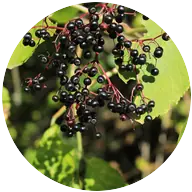 Elderberries