
Oregon · Washington · Idaho
When to plant sunflowers
Plant in the garden: Portland and Seattle May 10 – Jun 21; Spokane May 15 – Jun 26; Boise May 1 – Jun 12; Bend Jun 16 – Jul 28.
Your dates in
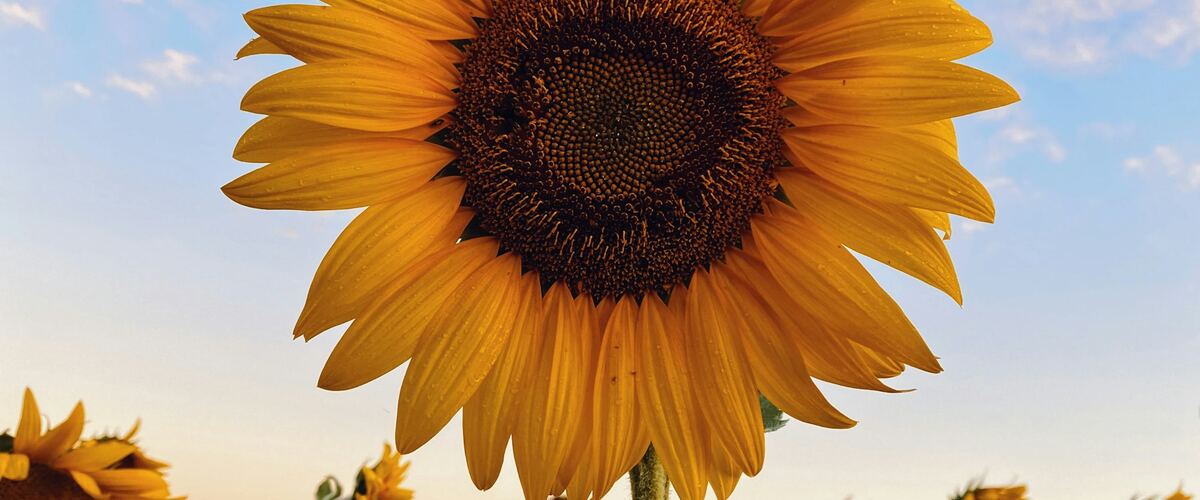
Sunflowers are fast annuals native to North America, grown for big, bright flower heads, for seeds that people and birds eat, and as cut flowers. Varieties range from knee-high, branching types for bouquets to single-stemmed giants over 10 feet tall. Pollen-free varieties are bred for cutting, so they don't drop yellow dust on the table.
Puts sunflowers on your free plan, with dates for your town and a spot in your beds.
- Difficulty
- Easy
- Sun
- Full sun
- Spacing
- 6 inches (small types) to 24 inches (giants) apart
- Planting depth
- 1 inch deep
- Frost
- Killed by frost
- Flowers
- Blooms about 60 to 90 days after sowing
Sow them where they'll grow; they dislike transplanting. Tall varieties need a spot out of the wind.
Sunflower planting dates
| Towns | Plant in the garden |
|---|---|
| Portland, OR, Seattle and Tacoma, WA | May 10 – Jun 21 |
| Spokane, WA, Astoria, OR | May 15 – Jun 26 |
| Boise and Meridian, ID | May 1 – Jun 12 |
| Bend and Redmond, OR | Jun 16 – Jul 28 |
Dates for six main cities. For any of the other 80 towns, type it in the box at the top of the page or browse all towns.
| Gresham, OR, Hillsboro and Beaverton, OR, Oregon City and West Linn, OR, Portland, OR, St. Helens and Scappoose, OR, Wilsonville and Canby, OR | May 10 – Jun 21 |
|---|
| Corvallis and Albany, OR, Cottage Grove, OR, Eugene, OR, McMinnville and Newberg, OR, Salem, OR | May 10 – Jun 21 |
|---|
| Ashland and Talent, OR | May 13 – Jun 24 |
|---|---|
| Grants Pass, OR, Medford, OR, Roseburg, OR | May 10 – Jun 21 |
| Astoria, OR, Brookings and Gold Beach, OR, Coos Bay and North Bend, OR, Newport and Lincoln City, OR, Tillamook, OR | May 15 – Jun 26 |
|---|
| Bend and Redmond, OR, Klamath Falls, OR | Jun 16 – Jul 28 |
|---|---|
| Burns, OR | Jun 18 – Jul 30 |
| Lakeview, OR | Jun 11 – Jul 23 |
| Madras, OR | May 26 – Jul 7 |
| Prineville, OR | Jun 8 – Jul 20 |
| Baker City, OR | Jun 1 – Jul 13 |
|---|---|
| Enterprise and Joseph, OR | May 31 – Jul 12 |
| Hermiston, OR, Pendleton, OR | May 3 – Jun 14 |
| Hood River, OR | Apr 27 – Jun 8 |
| John Day, OR | Jun 4 – Jul 16 |
| La Grande, OR | May 15 – Jun 26 |
| Ontario, OR | Apr 28 – Jun 9 |
| The Dalles, OR | Apr 25 – Jun 6 |
| Bremerton and Port Orchard, WA, Everett, WA, Kent, Renton and Auburn, WA, Olympia, WA, Seattle and Tacoma, WA, Shelton, WA | May 10 – Jun 21 |
|---|
| Anacortes, WA, Bellingham, WA, Friday Harbor and the San Juans, WA, Mount Vernon and Burlington, WA, Oak Harbor and Whidbey Island, WA | May 10 – Jun 21 |
|---|
| Aberdeen and Hoquiam, WA, Forks, WA, Long Beach and Ilwaco, WA | May 15 – Jun 26 |
|---|---|
| Port Angeles, WA, Port Townsend, WA, Sequim, WA | May 10 – Jun 21 |
| Centralia and Chehalis, WA, Longview and Kelso, WA, Vancouver, WA | May 10 – Jun 21 |
|---|
| Chelan, WA, Wenatchee, WA | Apr 25 – Jun 6 |
|---|---|
| Leavenworth, WA | May 17 – Jun 28 |
| Omak and Okanogan, WA | May 15 – Jun 26 |
| Winthrop and Twisp, WA | May 22 – Jul 3 |
| Ellensburg, WA, Yakima, WA | May 15 – Jun 26 |
|---|---|
| Ephrata and Quincy, WA | Apr 29 – Jun 10 |
| Goldendale, WA | May 26 – Jul 7 |
| Moses Lake, WA, Tri-Cities (Pasco, Kennewick, Richland), WA | May 4 – Jun 15 |
| Sunnyside, Grandview and Prosser, WA | May 8 – Jun 19 |
| Walla Walla, WA | Apr 25 – Jun 6 |
| Colville, WA, Pullman, WA, Spokane, WA | May 15 – Jun 26 |
|---|
| Bonners Ferry, ID, Coeur d'Alene and Post Falls, ID, Sandpoint, ID | May 15 – Jun 26 |
|---|
| Lewiston, ID | Apr 25 – Jun 6 |
|---|---|
| Moscow, ID | May 15 – Jun 26 |
| Boise and Meridian, ID | May 1 – Jun 12 |
|---|---|
| Emmett, ID | May 7 – Jun 18 |
| McCall, ID | Jun 29 – Aug 10 |
| Nampa and Caldwell, ID | May 6 – Jun 17 |
| Burley and Rupert, ID, Pocatello, ID | May 15 – Jun 26 |
|---|---|
| Idaho Falls, ID, Twin Falls, ID | May 16 – Jun 27 |
| Rexburg, ID | May 19 – Jun 30 |
| Salmon, ID | May 25 – Jul 6 |
Sunflower year at a glance
| Task | J | F | M | A | M | J | J | A | S | O | N | D |
|---|---|---|---|---|---|---|---|---|---|---|---|---|
| Plant | May | Jun | ||||||||||
| Cut flowers | Jul | Aug | Sep |
Around Portland. Colder towns, especially east of the Cascades, run a few weeks later; the table above has your town's planting dates.
How to grow sunflowers
- Prepare the bed: loosen the soil and mix in an inch or two of compost.
- Plant seeds on your city's dates, 1 inch deep, 6 inches (small types) to 24 inches (giants) apart.
- Keep the soil evenly moist until sprouts appear, which can take one to three weeks in cool soil.
- Harvest: Cut flowers when the petals are just opening. For seeds, let heads dry on the plant until the back turns brown, and cover them from birds.
Growing sunflowers in your part of the Northwest
The same plant behaves differently on the wet west side, the foggy coast and the dry, colder east side.
West-side valleys
Willamette Valley, Puget Sound, southern Oregon
Slugs often eat sunflower seedlings, so start them in pots or protect young plants. Birds go for seeds in fall.
Coast
Oregon and Washington coast
Wind and cool summers can stunt tall sunflowers; choose shorter, branching varieties.
East of the Cascades
Columbia Basin, Yakima, Boise, Spokane, north Idaho
Sunflowers thrive in the hot, sunny east-side summers and handle dry soil once established.
High desert and mountain towns
Central Oregon, high eastern Oregon valleys, McCall, Salmon
Sow after the last frost. Shorter, quicker varieties finish before fall frost.
More sunflower varieties
More widely sold picks that do well somewhere in the Northwest. The tag says which part of the Northwest suits each one best.
Mammoth Grey Stripe
The classic giant, reaching 9 to 12 feet with dinner-plate heads full of large striped seeds. Plant in a spot sheltered from wind and stake if needed.
Both sides
ProCut
Single-stemmed, pollenless flowers that do not drop pollen on tables. Very fast, so you can sow several rounds for bouquets all summer.
Both sides
Teddy Bear
Fluffy, fully double golden blooms on plants 2 to 3 feet tall. Great for containers and small gardens, and kids love it.
Both sides
Lemon Queen
Tall, branching plants with many pale lemon-yellow flowers that are a magnet for bees. A favorite of pollinator gardens. Plants keep blooming for weeks in late summer.
Both sides
Autumn Beauty
A mix of yellow, bronze, red and bicolor flowers on branching plants. Lots of blooms for cutting from late summer into fall.
Both sides
Velvet Queen
Deep crimson-red petals with dark centers on branching plants. A striking cut flower that keeps producing when cut regularly. Plants reach about 5 to 7 feet tall.
Both sides
How much to grow
How many to plant
For cutting, sow a short row every two weeks, since single-stem types give one flower each.
In the vase
Cut sunflowers last about a week in the vase.
Key numbers
- 70–85°F bestSoil to sprout
- 6.0–7.5Soil pH
- 60–90Days to bloom
- Slugs and birdsBiggest risk
Top care tip: Stake tall varieties early and water deeply once flower heads start to form.
Growing notes
What makes the difference in Northwest gardens, in plain language.
Timing and sowing
Sunflowers sprout fastest in warm soil, so sow after the soil has warmed in late spring. In cold, wet soil, seeds sit for days and seedlings get eaten before they grow. Sow directly where they'll grow, since their long taproot makes transplanting hard.
For a steady supply of cut flowers, sow a short row every two weeks into early July. Single-stem cutting varieties like ProCut bloom once, then they're done, so succession sowing keeps flowers coming. Branching types bloom over a longer stretch.
Wind, soil and support
Sunflowers aren't fussy about soil as long as it drains, but giants like Mammoth Grey Stripe need extra compost and steady water to reach full height. They also catch a lot of wind. Plant tall varieties in a sheltered spot, mound soil around the base of the stems as they grow, and stake them before late-summer storms.
Dwarf types like Teddy Bear are a good choice for windy sites and containers.
Harvesting seeds
For seeds, the head is ready when the back turns from green to yellow-brown and the petals have dropped. Birds and squirrels know before you do, so cover heads with paper bags or mesh once seeds start to fill. Cut the head with a foot of stem and hang it in a dry, airy place to finish. West of the Cascades, fall rain can mold heads left outside, so bring them in early.
Good neighbors
Good neighbors
- Pole beans. Can climb sturdy stalks of tall varieties.
- Squash. Grows beneath and shades the soil.
Pests and problems
What most often goes wrong with sunflowers in Northwest gardens, how to spot it and what to do.
Birds and slugs
Signs: Seedlings gone overnight.
What to do: Cover the seedbed until plants are a few inches tall.
Flopping
Signs: Heavy heads bend over in wind.
What to do: Stake tall types.
Saving sunflower seed
Will it come true?
Bees cross sunflowers, and many cut-flower varieties are hybrids, so saved seed often grows different plants. Open-pollinated types are the ones worth saving.
How to save it
Let the back of the head turn yellow-brown, and cover it with a paper bag or mesh to keep birds off. Cut it and dry it under cover, then rub the seeds out. Store dry seed in a labeled paper envelope in a cool, dry place.
Common questions about growing sunflowers
When should I plant sunflowers in Oregon, Washington and Idaho?
Plant in the garden: May 10 – Jun 21 in Portland and Seattle, May 15 – Jun 26 in Spokane, May 1 – Jun 12 in Boise and Jun 16 – Jul 28 in Bend. Pick your town at the top of the page for your own dates.
Do sunflowers really follow the sun?
Young plants do: their buds and leaves turn from east to west during the day and reset overnight. Once the flowers open, most mature heads stop moving and stay facing roughly east.
Why are my sunflower heads empty of seeds?
Poor pollination is the usual cause, from too few bees or cool, wet weather at bloom. Some cutting varieties like ProCut are bred to be pollenless so they don't shed on tables, and they make few seeds.
Can I transplant sunflower seedlings?
It's possible if you move them very young and keep the root ball intact, but they often stall. Sowing directly in the garden usually gives stronger, faster plants.
See what else to plant in May or June.
 Dahlias
 Zinnias
 Sweet peas
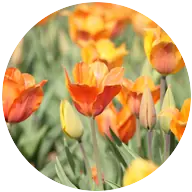 Tulips
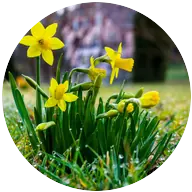 Daffodils
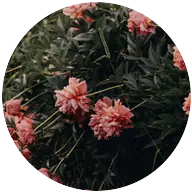 Peonies
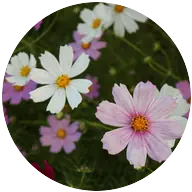 Cosmos
 Nasturtiums
 Marigolds
 Calendula
 Snapdragons
 Ranunculus