
Oregon · Washington · Idaho
When to plant tomatillos
Plant in the garden: Portland and Seattle May 15 – Jun 12; Spokane May 20 – Jun 17; Boise May 1–29; Bend Jun 9 – Jul 7.
Your dates in
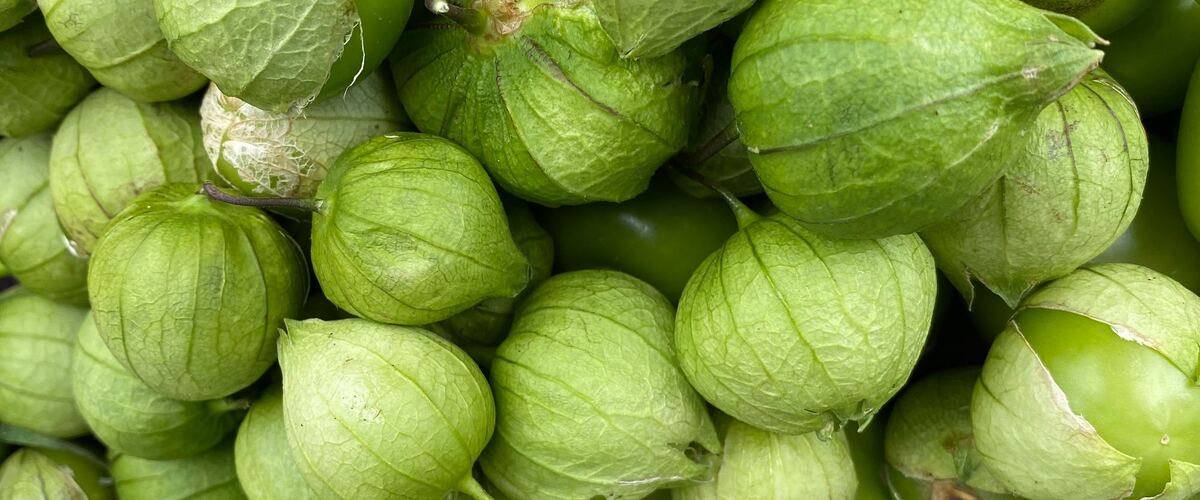
Tomatillos are a nightshade relative of tomatoes that grows tart green or purple fruit inside a papery husk. They're the base of salsa verde, usually roasted or boiled first, and the fruit is ready when it fills and splits the husk. The plants sprawl wide, so give them a cage or stake.
Puts tomatillos on your free plan, with dates for your town and a spot in your beds.
- Difficulty
- Easy
- Sun
- Full sun
- Spacing
- 3 feet apart
- Planting depth
- Bury the stem up to the first leaves, like tomatoes
- Frost
- Killed by frost
- First harvest
- About 75 days after planting
Easier than tomatoes in cool summers, but you need at least two plants: one plant alone rarely sets fruit.
Tomatillo planting dates
| Towns | Start seeds indoors | Plant in the garden |
|---|---|---|
| Portland, OR, Seattle and Tacoma, WA | Mar 20 – Apr 3 | May 15 – Jun 12 |
| Spokane, WA, Astoria, OR | Mar 25 – Apr 8 | May 20 – Jun 17 |
| Boise and Meridian, ID | Mar 6–20 | May 1–29 |
| Bend and Redmond, OR | Apr 14–28 | Jun 9 – Jul 7 |
Dates for six main cities. For any of the other 80 towns, type it in the box at the top of the page or browse all towns.
| Gresham, OR, Hillsboro and Beaverton, OR, Oregon City and West Linn, OR, Portland, OR, St. Helens and Scappoose, OR, Wilsonville and Canby, OR | Mar 20 – Apr 3 | May 15 – Jun 12 |
|---|
| Corvallis and Albany, OR, Cottage Grove, OR, Eugene, OR, McMinnville and Newberg, OR, Salem, OR | Mar 20 – Apr 3 | May 15 – Jun 12 |
|---|
| Ashland and Talent, OR, Grants Pass, OR, Medford, OR, Roseburg, OR | Mar 20 – Apr 3 | May 15 – Jun 12 |
|---|
| Astoria, OR, Brookings and Gold Beach, OR, Coos Bay and North Bend, OR, Newport and Lincoln City, OR, Tillamook, OR | Mar 25 – Apr 8 | May 20 – Jun 17 |
|---|
| Bend and Redmond, OR, Klamath Falls, OR | Apr 14–28 | Jun 9 – Jul 7 |
|---|---|---|
| Burns, OR | Apr 16–30 | Jun 11 – Jul 9 |
| Lakeview, OR | Apr 9–23 | Jun 4 – Jul 2 |
| Madras, OR | Mar 30 – Apr 13 | May 25 – Jun 22 |
| Prineville, OR | Apr 6–20 | Jun 1–29 |
| Baker City, OR, Enterprise and Joseph, OR | Mar 30 – Apr 13 | May 25 – Jun 22 |
|---|---|---|
| Hermiston, OR, Hood River, OR, Ontario, OR, Pendleton, OR, The Dalles, OR | Mar 6–20 | May 1–29 |
| John Day, OR | Apr 2–16 | May 28 – Jun 25 |
| La Grande, OR | Mar 25 – Apr 8 | May 20 – Jun 17 |
| Bremerton and Port Orchard, WA, Everett, WA, Kent, Renton and Auburn, WA, Olympia, WA, Seattle and Tacoma, WA, Shelton, WA | Mar 20 – Apr 3 | May 15 – Jun 12 |
|---|
| Anacortes, WA, Bellingham, WA, Friday Harbor and the San Juans, WA, Mount Vernon and Burlington, WA, Oak Harbor and Whidbey Island, WA | Mar 20 – Apr 3 | May 15 – Jun 12 |
|---|
| Aberdeen and Hoquiam, WA, Forks, WA, Long Beach and Ilwaco, WA | Mar 25 – Apr 8 | May 20 – Jun 17 |
|---|---|---|
| Port Angeles, WA, Port Townsend, WA, Sequim, WA | Mar 20 – Apr 3 | May 15 – Jun 12 |
| Centralia and Chehalis, WA, Longview and Kelso, WA, Vancouver, WA | Mar 20 – Apr 3 | May 15 – Jun 12 |
|---|
| Chelan, WA, Wenatchee, WA | Mar 6–20 | May 1–29 |
|---|---|---|
| Leavenworth, WA, Omak and Okanogan, WA, Winthrop and Twisp, WA | Mar 25 – Apr 8 | May 20 – Jun 17 |
| Ellensburg, WA, Goldendale, WA | Mar 25 – Apr 8 | May 20 – Jun 17 |
|---|---|---|
| Ephrata and Quincy, WA, Moses Lake, WA, Sunnyside, Grandview and Prosser, WA, Tri-Cities (Pasco, Kennewick, Richland), WA, Walla Walla, WA | Mar 6–20 | May 1–29 |
| Yakima, WA | Mar 13–27 | May 8 – Jun 5 |
| Colville, WA, Pullman, WA, Spokane, WA | Mar 25 – Apr 8 | May 20 – Jun 17 |
|---|
| Bonners Ferry, ID, Coeur d'Alene and Post Falls, ID, Sandpoint, ID | Mar 25 – Apr 8 | May 20 – Jun 17 |
|---|
| Lewiston, ID | Mar 6–20 | May 1–29 |
|---|---|---|
| Moscow, ID | Mar 25 – Apr 8 | May 20 – Jun 17 |
| Boise and Meridian, ID, Emmett, ID, Nampa and Caldwell, ID | Mar 6–20 | May 1–29 |
|---|---|---|
| McCall, ID | Apr 27 – May 11 | Jun 22 – Jul 20 |
| Burley and Rupert, ID, Idaho Falls, ID, Pocatello, ID, Rexburg, ID, Twin Falls, ID | Mar 25 – Apr 8 | May 20 – Jun 17 |
|---|---|---|
| Salmon, ID | Mar 30 – Apr 13 | May 25 – Jun 22 |
Tomatillo year at a glance
| Task | J | F | M | A | M | J | J | A | S | O | N | D |
|---|---|---|---|---|---|---|---|---|---|---|---|---|
| Start indoors | Mar | Apr | ||||||||||
| Plant | May | Jun | ||||||||||
| Harvest | Aug | Sep | Oct |
Around Portland. Colder towns, especially east of the Cascades, run a few weeks later; the table above has your town's planting dates.
How to grow tomatillos
- Start seeds indoors on your city's dates in trays or small pots under a grow light or in your sunniest window. Or skip this step and buy young plants (starts) at a garden center.
- Harden off the young plants: about a week before planting, set them outside for a few hours a day, a little longer each day.
- Plant them in the garden on your city's dates, 3 feet apart. Bury the stem up to the first leaves, like tomatoes.
- Water deeply once or twice a week rather than a little every day, and mulch once the soil is warm.
- Harvest: Pick when the fruit fills and starts to split its papery husk. Stored in their husks in the fridge, they keep for two weeks or more.
Growing tomatillos in your part of the Northwest
The same plant behaves differently on the wet west side, the foggy coast and the dry, colder east side.
West-side valleys
Willamette Valley, Puget Sound, southern Oregon
Tomatillos tolerate cooler weather better than tomatoes and set fruit freely once summer warms. Grow at least two plants so they cross-pollinate.
Coast
Oregon and Washington coast
Tomatillos may ripen on the coast if planted in a sunny, sheltered spot, though yields are lower in cool summers.
East of the Cascades
Columbia Basin, Yakima, Boise, Spokane, north Idaho
Tomatillos love the heat and often produce more than you need. Plants sprawl, so give them space and support.
High desert and mountain towns
Central Oregon, high eastern Oregon valleys, McCall, Salmon
Start indoors and plant out after frost. Tomatillos often self-seed in warmer spots.
More tomatillo varieties
More widely sold picks that do well somewhere in the Northwest. The tag says which part of the Northwest suits each one best.
Toma Verde
The most widely grown tomatillo, with medium green fruit and tangy flavor for salsa verde. It is early enough to ripen well in cool Northwest summers.
Short seasons
Grande Rio Verde
Large green fruit on vigorous plants with heavy yields. A favorite for making big batches of salsa and sauce, and the larger fruit means less husking.
Both sides
Purple
Smaller fruit with purple skin and a sweeter, fruitier flavor than green types. Good fresh in salsa and colorful in the garden.
Both sides
De Milpa
A Mexican heirloom with small, sharp-flavored fruit that turns purple-tinged in sun. Productive and stores well in its husk, and the sharp flavor shines in cooked sauces.
Both sides
How much to grow
How many to plant
Grow at least two plants so they pollinate each other. For a family of four, 2 to 4 plants.
What to expect
Several pounds of fruit per plant.
Storing the harvest
In their husks, they keep two weeks or more in the fridge. Freeze or can salsa.
What to plant after tomatillos
Around Portland, the tomatillo harvest wraps up around October. These crops can still go into the same bed, and they come from a different plant family, which helps with rotation.
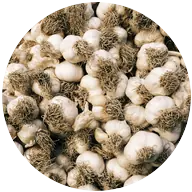 Garlic
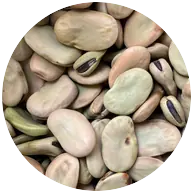 Fava beans
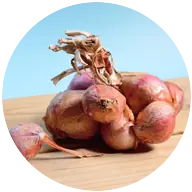 Shallots
Portland dates. Pick your town at the top of the page for yours.
Key numbers
- 70–85°FSoil to sprout
- Nights above 50°FPlant out when
- At least 2Plants needed
- Fruit fills the huskRipe when
Top care tip: Pick when the fruit fills and splits its papery husk, and keep at least two plants for pollination.
Growing notes
What makes the difference in Northwest gardens, in plain language.
Why you need two plants
Tomatillo flowers can't pollinate themselves, so pollen has to come from a different plant, carried by bees. A lone plant blooms happily but sets few or no fruit, leaving empty papery husks. Plant at least two, close enough for bees to visit both. Toma Verde, Grande Rio Verde and Purple all cross with each other.
Tomatillos handle cool Northwest summers better than tomatoes, setting fruit in weather that would stall a tomato.
Planting and support
Start seeds indoors six to eight weeks before your last frost, and plant out once nights stay above about 50°F. Like tomatoes, they root along buried stems, so plant deep. Plants grow wide and floppy, often 3 to 4 feet tall and across, so give them the full 3 feet of spacing and a large cage or sturdy stakes.
Average garden soil with some compost is enough. Too much nitrogen grows leaves at the expense of fruit.
Harvest and use
Pick when the fruit fills the husk and the husk starts to split or turn papery. Green types are best slightly underripe for tart salsa verde; purple ones turn deep purple and sweeter as they ripen.
Tomatillos keep two weeks or more in their husks in the fridge, and they freeze well whole after husking and rinsing. Fruit that drops and rots in the bed often leaves volunteer seedlings next spring, so clean up fallen fruit if you don't want them.
Good neighbors and crop rotation
Good neighbors
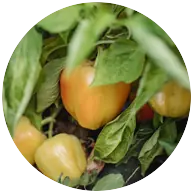
- Peppers and onions. Same salsa garden and warm-season timing.
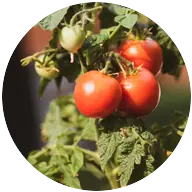
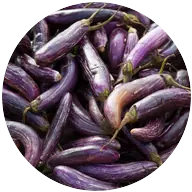
Tomato family: Tomatoes, potatoes, peppers, eggplant, tomatillos and ground cherries are all one family. Keep them out of the same bed for three years: early blight survives on old plant debris and verticillium wilt lives in the soil. Dig up volunteer potatoes, which can carry late blight over winter.
Pests and problems
What most often goes wrong with tomatillos in Northwest gardens, how to spot it and what to do.
No fruit
Signs: Empty husks on a single plant.
What to do: Grow at least two plants.
Flea beetles
Signs: Tiny holes in young leaves.
What to do: Row cover until plants are growing strongly.
Saving tomatillo seed
Will it come true?
Tomatillos need a second plant to set fruit, so the seed is always a cross of the plants you grew. Seedlings are usually close to the parents if you grow one variety.
How to save it
Let fruit ripen fully and fall from the plant, then mash it in water, let the good seed sink, rinse and dry it on a plate. Store dry seed in a labeled paper envelope in a cool, dry place.
Common questions about growing tomatillos
When should I plant tomatillos in Oregon, Washington and Idaho?
Plant in the garden: May 15 – Jun 12 in Portland and Seattle, May 20 – Jun 17 in Spokane, May 1–29 in Boise and Jun 9 – Jul 7 in Bend. Pick your town at the top of the page for your own dates.
Why are my tomatillo husks empty?
The flowers weren't pollinated, almost always because there's only one plant, or because bees were scarce. Grow at least two plants near each other and the husks should fill.
Why are tomatillos sticky inside the husk?
That's a natural coating on the fruit skin. It's harmless; just rinse it off under warm water after removing the husk.
Can you freeze tomatillos?
Yes. Remove the husks, rinse off the sticky coating, dry them and freeze whole on a tray before bagging. They soften when thawed, which is fine for salsa and sauces.
See what else to plant in March, April, May or June.
 Tomatoes
 Peppers
 Eggplant
 Sweet corn
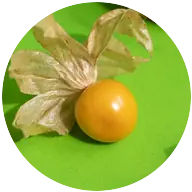 Ground cherries