
Oregon · Washington · Idaho
When to plant winter squash
Plant in the garden: Portland and Seattle May 15 – Jun 5; Spokane May 20 – Jun 10; Boise May 1–22; Bend Jun 9–30.
Your dates in
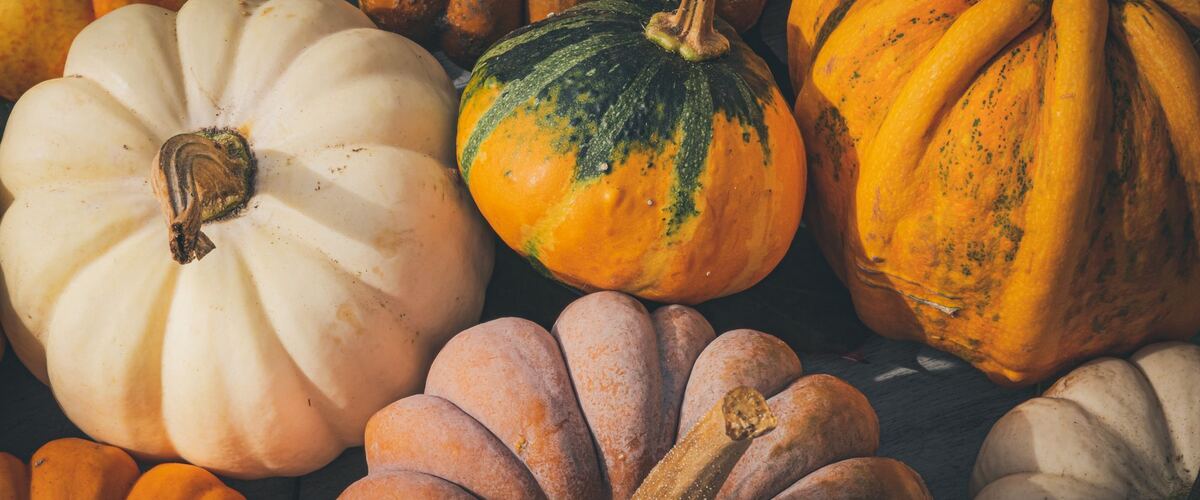
Winter squash are squash left on the vine until fully ripe, with a hard rind that lets them keep for weeks to months, which is where the name comes from. Butternut, acorn, delicata, kabocha, spaghetti and Hubbard are all winter squash, roasted, mashed or used in soup and pie. Each belongs to one of a few related species, which matters if you save seed.
Puts winter squash on your free plan, with dates for your town and a spot in your beds.
- Difficulty
- Moderate
- Sun
- Full sun
- Spacing
- 4 feet apart (vines spread)
- Planting depth
- 1 inch deep
- Frost
- Killed by frost
- First harvest
- About 100 days after planting
Long season. Harvest before hard frost and cure in a warm spot for storage.
Winter squash planting dates
| Towns | Start seeds indoors | Plant in the garden |
|---|---|---|
| Portland, OR, Seattle and Tacoma, WA | Apr 17–24 | May 15 – Jun 5 |
| Spokane, WA, Astoria, OR | Apr 22–29 | May 20 – Jun 10 |
| Boise and Meridian, ID | Apr 3–10 | May 1–22 |
| Bend and Redmond, OR | May 12–19 | Jun 9–30 |
Dates for six main cities. For any of the other 80 towns, type it in the box at the top of the page or browse all towns.
| Gresham, OR, Hillsboro and Beaverton, OR, Oregon City and West Linn, OR, Portland, OR, St. Helens and Scappoose, OR, Wilsonville and Canby, OR | Apr 17–24 | May 15 – Jun 5 |
|---|
| Corvallis and Albany, OR, Cottage Grove, OR, Eugene, OR, McMinnville and Newberg, OR, Salem, OR | Apr 17–24 | May 15 – Jun 5 |
|---|
| Ashland and Talent, OR, Grants Pass, OR, Medford, OR, Roseburg, OR | Apr 17–24 | May 15 – Jun 5 |
|---|
| Astoria, OR, Brookings and Gold Beach, OR, Coos Bay and North Bend, OR, Newport and Lincoln City, OR, Tillamook, OR | Apr 22–29 | May 20 – Jun 10 |
|---|
| Bend and Redmond, OR, Klamath Falls, OR | May 12–19 | Jun 9–30 |
|---|---|---|
| Burns, OR | May 14–21 | Jun 11 – Jul 2 |
| Lakeview, OR | May 7–14 | Jun 4–25 |
| Madras, OR | Apr 27 – May 4 | May 25 – Jun 15 |
| Prineville, OR | May 4–11 | Jun 1–22 |
| Baker City, OR, Enterprise and Joseph, OR | Apr 27 – May 4 | May 25 – Jun 15 |
|---|---|---|
| Hermiston, OR, Hood River, OR, Ontario, OR, Pendleton, OR, The Dalles, OR | Apr 3–10 | May 1–22 |
| John Day, OR | Apr 30 – May 7 | May 28 – Jun 18 |
| La Grande, OR | Apr 22–29 | May 20 – Jun 10 |
| Bremerton and Port Orchard, WA, Everett, WA, Kent, Renton and Auburn, WA, Olympia, WA, Seattle and Tacoma, WA, Shelton, WA | Apr 17–24 | May 15 – Jun 5 |
|---|
| Anacortes, WA, Bellingham, WA, Friday Harbor and the San Juans, WA, Mount Vernon and Burlington, WA, Oak Harbor and Whidbey Island, WA | Apr 17–24 | May 15 – Jun 5 |
|---|
| Aberdeen and Hoquiam, WA, Forks, WA, Long Beach and Ilwaco, WA | Apr 22–29 | May 20 – Jun 10 |
|---|---|---|
| Port Angeles, WA, Port Townsend, WA, Sequim, WA | Apr 17–24 | May 15 – Jun 5 |
| Centralia and Chehalis, WA, Longview and Kelso, WA, Vancouver, WA | Apr 17–24 | May 15 – Jun 5 |
|---|
| Chelan, WA, Wenatchee, WA | Apr 3–10 | May 1–22 |
|---|---|---|
| Leavenworth, WA, Omak and Okanogan, WA, Winthrop and Twisp, WA | Apr 22–29 | May 20 – Jun 10 |
| Ellensburg, WA, Goldendale, WA | Apr 22–29 | May 20 – Jun 10 |
|---|---|---|
| Ephrata and Quincy, WA, Moses Lake, WA, Sunnyside, Grandview and Prosser, WA, Tri-Cities (Pasco, Kennewick, Richland), WA, Walla Walla, WA | Apr 3–10 | May 1–22 |
| Yakima, WA | Apr 10–17 | May 8–29 |
| Colville, WA, Pullman, WA, Spokane, WA | Apr 22–29 | May 20 – Jun 10 |
|---|
| Bonners Ferry, ID, Coeur d'Alene and Post Falls, ID, Sandpoint, ID | Apr 22–29 | May 20 – Jun 10 |
|---|
| Lewiston, ID | Apr 3–10 | May 1–22 |
|---|---|---|
| Moscow, ID | Apr 22–29 | May 20 – Jun 10 |
| Boise and Meridian, ID, Emmett, ID, Nampa and Caldwell, ID | Apr 3–10 | May 1–22 |
|---|---|---|
| McCall, ID | May 25 – Jun 1 | Jun 22 – Jul 13 |
| Burley and Rupert, ID, Idaho Falls, ID, Pocatello, ID, Rexburg, ID, Twin Falls, ID | Apr 22–29 | May 20 – Jun 10 |
|---|---|---|
| Salmon, ID | Apr 27 – May 4 | May 25 – Jun 15 |
Winter squash year at a glance
| Task | J | F | M | A | M | J | J | A | S | O | N | D |
|---|---|---|---|---|---|---|---|---|---|---|---|---|
| Start indoors | Apr | |||||||||||
| Plant | May | Jun | ||||||||||
| Harvest | Sep | Oct |
Around Portland. Colder towns, especially east of the Cascades, run a few weeks later; the table above has your town's planting dates.
How to grow winter squash
- Start seeds indoors on your city's dates in trays or small pots under a grow light or in your sunniest window. Or skip this step and buy young plants (starts) at a garden center.
- Harden off the young plants: about a week before planting, set them outside for a few hours a day, a little longer each day.
- Plant them in the garden on your city's dates, 4 feet apart (vines spread). If you plant seeds instead, sow them 1 inch deep.
- Water deeply once or twice a week rather than a little every day, and mulch once the soil is warm.
- Harvest: Cut when the rind resists a fingernail and the stem is dry, before a hard frost. Cure in a warm room for two weeks.
Growing winter squash in your part of the Northwest
The same plant behaves differently on the wet west side, the foggy coast and the dry, colder east side.
West-side valleys
Willamette Valley, Puget Sound, southern Oregon
Most winter squash ripens here if planted by early June. Bring it in before the fall rains set in, and cure it somewhere warm and dry.
Coast
Oregon and Washington coast
Cool summers make big, long-season squash hard to ripen. Choose smaller, quicker types like delicata, acorn or small kabocha.
East of the Cascades
Columbia Basin, Yakima, Boise, Spokane, north Idaho
Winter squash ripens easily in the hot summers. Water deeply and check for squash bugs.
High desert and mountain towns
Central Oregon, high eastern Oregon valleys, McCall, Salmon
Pick quick-maturing varieties and give them the warmest spot. Pick everything before a hard frost.
More winter squash varieties
More widely sold picks that do well somewhere in the Northwest. The tag says which part of the Northwest suits each one best.
Delicata
Oblong squash with sweet, creamy flesh and thin skin you can eat. It ripens faster than big squash and stores for a few months.
Both sides
Sugar Pie pumpkin
Small, round orange pumpkins with sweet, smooth flesh for pies and baking. Their size helps them ripen more reliably than large pumpkins in cool summers.
Coast and west side
Sweet Meat
A large, flattened, slate-gray squash with thick, sweet orange flesh. A Northwest heirloom that stores very well and often tastes better after a few months.
Coast and west side
Waltham Butternut
Tan, bell-shaped squash with smooth, sweet orange flesh and a small seed cavity. It stores for months and does best in the warmest spot you have.
Both sides
Red Kuri
Teardrop-shaped, red-orange squash with dense, chestnut-like flesh. Earlier than many winter squash, it is a good choice for cooler gardens.
Coast and west side
Spaghetti squash
Oblong yellow squash whose cooked flesh pulls apart into noodle-like strands. Fairly quick to mature and very productive, it is a good choice where summers are cool.
Coast and west side
Sunshine
Bright orange, flattened kabocha with sweet, dry, deep orange flesh. Good flavor and a manageable size make it a popular baking squash.
Both sides
How much to grow
How many to plant
For a family of four, 3 to 6 plants. Grow two or three varieties for different uses.
What to expect
About 2 to 5 squash per plant, depending on size.
Storing the harvest
Cure in a warm room for two weeks, then store at 50 to 55°F. Butternut and hubbard keep four to six months; delicata and acorn two to three.
What to plant after winter squash
Around Portland, the winter squash harvest wraps up around October. These crops can still go into the same bed, and they come from a different plant family, which helps with rotation.
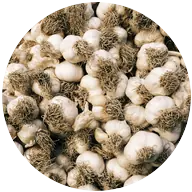 Garlic
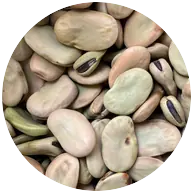 Fava beans
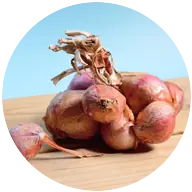 Shallots
Portland dates. Pick your town at the top of the page for yours.
Key numbers
- 85–110Days to ripen
- 60°F+Soil to sprout
- Mid-AugustLast useful flowers
- 6.0–7.5Soil pH
- 10 days at about 80°FCure
- 50–55°F, dryStore
Top care tip: Pinch off new flowers after mid-August so the vine ripens the squash it already has.
The plant science
The plant biology behind the advice above, in plain language.
Racing the season
Winter squash needs a long, warm season, often 85 to 110 days from sowing, and the fruit has to mature fully before fall rains and frost. Seeds need soil of at least 60°F to sprout, and plants stall below about 50°F. In the Northwest, that makes the choice of variety and an early, warm start the deciding factors.
Faster varieties like Delicata and small pie pumpkins ripen far more reliably here than big storage squash or giant pumpkins. Start seeds indoors two to three weeks before planting out, and lay black plastic mulch to warm the soil several degrees.
Pollination
Like zucchini, winter squash has separate male and female flowers, and bees carry the pollen. The first flowers are usually male and drop without fruiting. In cool weather, hand-pollinating in the morning helps fruit set early enough to ripen.
Focusing the plant
Flowers that open after about mid-August rarely have time to mature into ripe squash here. Once each vine has set two or three fruits, pinching off the vine tips and new flowers sends the plant's energy into ripening the squash you already have.
Soil, water and disease
Grow winter squash in rich, well-drained soil with a pH of about 6.0 to 7.5 and plenty of compost. Water deeply, about an inch a week, at the base of the plant. Powdery mildew shows up in late summer; resistant varieties and good spacing help, and squash that's already mature is rarely affected.
Ripeness, curing and storage
A ripe winter squash has a hard rind you can't dent with a fingernail, a dry, corky stem, and a spot where it rested on the soil that has turned cream or orange. Harvest before a hard frost, leaving a few inches of stem on.
Most types, including butternut, kabocha, buttercup and pumpkins, store better after curing for about 10 days somewhere warm, around 80°F. That hardens the skin and heals small wounds. Acorn and delicata don't need curing. Store squash at 50 to 55°F in a dry spot. Butternut and kabocha get sweeter for several weeks after harvest as starches turn to sugar; delicata and acorn are best eaten within a couple of months.
Good neighbors and crop rotation
Good neighbors
- Corn. Squash vines shade the soil and keep weeds down.
- Pole beans. Climb nearby corn or a trellis while the squash runs below.
Squash family: Move squash, pumpkins, cucumbers and melons to a new bed each year and return every three years, so soil-borne wilts and root rots don't build up. Clear and compost (or bin) mildewed vines in fall.
Pests and problems
What most often goes wrong with winter squash in Northwest gardens, how to spot it and what to do.
Powdery mildew
Signs: White coating on the leaves in late summer.
What to do: Resistant varieties and room for airflow. Fruit set before it spreads still ripens.
Squash that won't ripen
Signs: Pale, soft-rinded squash at the first frost.
What to do: Pick early, smaller varieties and remove late flowers after mid-August.
Rot in storage
Signs: Soft spots and mold after a month.
What to do: Cure fully, keep the stem on and store only unblemished squash.
Common questions about growing winter squash
When should I plant winter squash in Oregon, Washington and Idaho?
Plant in the garden: May 15 – Jun 5 in Portland and Seattle, May 20 – Jun 10 in Spokane, May 1–22 in Boise and Jun 9–30 in Bend. Pick your town at the top of the page for your own dates.
How do I know when winter squash is ripe?
The rind is hard enough that a fingernail won't dent it, the stem is dry and corky, and the spot where it rested on the ground has turned cream or orange. Harvest before a hard frost.
Do I need to cure winter squash?
For most types, yes. Ten days somewhere warm, around 80°F, hardens the skin and helps them store for months. Acorn and delicata don't need it and are best eaten within a couple of months.
Why didn't my squash ripen before fall?
The variety was likely too slow for the season, or plants went out late. Choose fast varieties like Delicata, start seeds indoors, warm the soil with black plastic, and pinch off flowers that appear after mid-August.
See what else to plant in April, May or June.
 Cucumbers
 Zucchini and summer squash
 Pumpkins
 Melons