
Oregon · Washington · Idaho
When to plant asparagus
Plant in the garden: Portland and Seattle Mar 15 – Apr 26; Spokane Apr 15 – May 27; Boise Apr 1 – May 13; Bend May 12 – Jun 23.
Your dates in
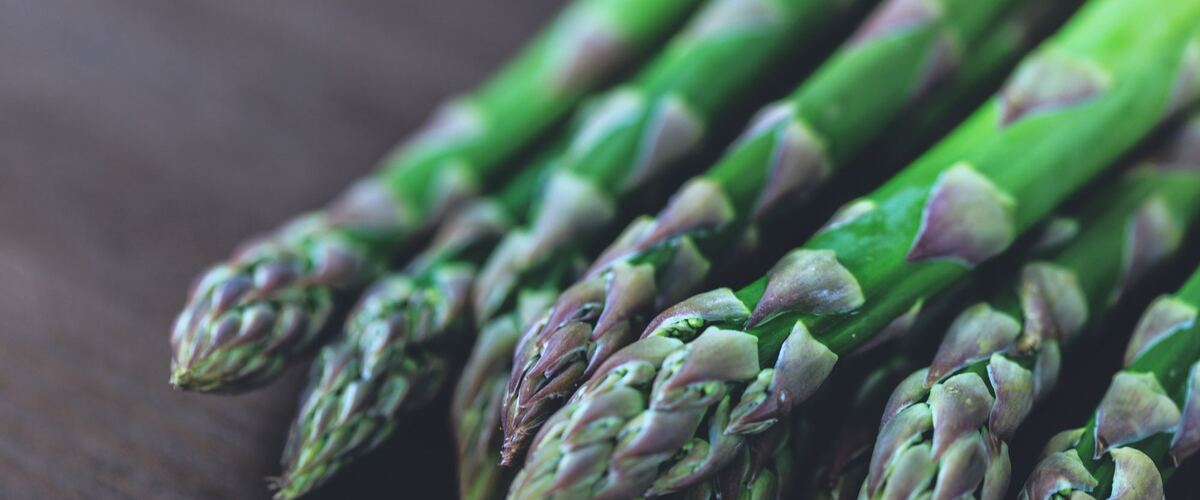
Asparagus is a long-lived perennial grown for its spring spears, the young shoots that push up from an underground crown. Spears left unpicked open into tall, ferny plants that feed the crown for next year. Washington is one of the country's main asparagus states, with most of it grown in the Columbia Basin and Yakima Valley.
Puts asparagus on your free plan, with dates for your town and a spot in your beds.
- Difficulty
- Moderate
- Sun
- Full sun
- Spacing
- 12 to 18 inches apart
- Planting depth
- In a trench 6 to 8 inches deep, covered gradually as the spears grow
- Frost
- Hardy perennial; comes back every year
- First harvest
- Light picking in year two; full harvests from year three
A bed that produces for 15 to 20 years. Don't harvest the first year, pick lightly the second, then fully from year three.
Asparagus planting dates
| Towns | Plant in the garden |
|---|---|
| Portland, OR, Seattle and Tacoma, WA | Mar 15 – Apr 26 |
| Spokane, WA | Apr 15 – May 27 |
| Boise and Meridian, ID, Astoria, OR | Apr 1 – May 13 |
| Bend and Redmond, OR | May 12 – Jun 23 |
Dates for six main cities. For any of the other 80 towns, type it in the box at the top of the page or browse all towns.
| Gresham, OR, Oregon City and West Linn, OR, Portland, OR, St. Helens and Scappoose, OR, Wilsonville and Canby, OR | Mar 15 – Apr 26 |
|---|---|
| Hillsboro and Beaverton, OR | Mar 19 – Apr 30 |
| Corvallis and Albany, OR, Eugene, OR, Salem, OR | Mar 15 – Apr 26 |
|---|---|
| Cottage Grove, OR | Mar 27 – May 8 |
| McMinnville and Newberg, OR | Mar 18 – Apr 29 |
| Ashland and Talent, OR | Apr 8 – May 20 |
|---|---|
| Grants Pass, OR, Medford, OR, Roseburg, OR | Mar 15 – Apr 26 |
| Astoria, OR, Brookings and Gold Beach, OR, Coos Bay and North Bend, OR, Newport and Lincoln City, OR, Tillamook, OR | Apr 1 – May 13 |
|---|
| Bend and Redmond, OR, Klamath Falls, OR | May 12 – Jun 23 |
|---|---|
| Burns, OR | May 14 – Jun 25 |
| Lakeview, OR | May 7 – Jun 18 |
| Madras, OR | Apr 21 – Jun 2 |
| Prineville, OR | May 4 – Jun 15 |
| Baker City, OR | Apr 27 – Jun 8 |
|---|---|
| Enterprise and Joseph, OR | Apr 26 – Jun 7 |
| Hermiston, OR, Hood River, OR, Ontario, OR, Pendleton, OR, The Dalles, OR | Apr 1 – May 13 |
| John Day, OR | Apr 30 – Jun 11 |
| La Grande, OR | Apr 15 – May 27 |
| Bremerton and Port Orchard, WA, Everett, WA, Kent, Renton and Auburn, WA, Seattle and Tacoma, WA | Mar 15 – Apr 26 |
|---|---|
| Olympia, WA | Apr 1 – May 13 |
| Shelton, WA | Mar 30 – May 11 |
| Anacortes, WA, Bellingham, WA, Friday Harbor and the San Juans, WA, Mount Vernon and Burlington, WA, Oak Harbor and Whidbey Island, WA | Mar 15 – Apr 26 |
|---|
| Aberdeen and Hoquiam, WA, Forks, WA, Long Beach and Ilwaco, WA | Apr 1 – May 13 |
|---|---|
| Port Angeles, WA, Port Townsend, WA | Mar 15 – Apr 26 |
| Sequim, WA | Mar 24 – May 5 |
| Centralia and Chehalis, WA | Mar 25 – May 6 |
|---|---|
| Longview and Kelso, WA, Vancouver, WA | Mar 15 – Apr 26 |
| Chelan, WA, Wenatchee, WA | Apr 1 – May 13 |
|---|---|
| Leavenworth, WA, Omak and Okanogan, WA | Apr 15 – May 27 |
| Winthrop and Twisp, WA | Apr 17 – May 29 |
| Ellensburg, WA | Apr 15 – May 27 |
|---|---|
| Ephrata and Quincy, WA, Moses Lake, WA, Tri-Cities (Pasco, Kennewick, Richland), WA, Walla Walla, WA | Apr 1 – May 13 |
| Goldendale, WA | Apr 21 – Jun 2 |
| Sunnyside, Grandview and Prosser, WA | Apr 3 – May 15 |
| Yakima, WA | Apr 10 – May 22 |
| Colville, WA, Pullman, WA, Spokane, WA | Apr 15 – May 27 |
|---|
| Bonners Ferry, ID, Coeur d'Alene and Post Falls, ID, Sandpoint, ID | Apr 15 – May 27 |
|---|
| Lewiston, ID | Apr 1 – May 13 |
|---|---|
| Moscow, ID | Apr 15 – May 27 |
| Boise and Meridian, ID, Nampa and Caldwell, ID | Apr 1 – May 13 |
|---|---|
| Emmett, ID | Apr 2 – May 14 |
| McCall, ID | May 25 – Jul 6 |
| Burley and Rupert, ID, Idaho Falls, ID, Pocatello, ID, Rexburg, ID, Twin Falls, ID | Apr 15 – May 27 |
|---|---|
| Salmon, ID | Apr 19 – May 31 |
Asparagus year at a glance
| Task | J | F | M | A | M | J | J | A | S | O | N | D |
|---|---|---|---|---|---|---|---|---|---|---|---|---|
| Plant | Mar | Apr | ||||||||||
| Harvest | Apr | May | Jun |
Around Portland. Colder towns, especially east of the Cascades, run a few weeks later; the table above has your town's planting dates. Harvest months are for an established plant.
How to grow asparagus
- Pick a sunny spot with soil that drains well, and mix in an inch or two of compost.
- Plant asparagus crowns on your city's dates, 12 to 18 inches apart. In a trench 6 to 8 inches deep, covered gradually as the spears grow.
- Fill the trench in gradually as the shoots grow. Keep the bed weeded, and cut the ferns down only after they turn brown in fall.
- Harvest: Snap spears at soil level when they're 6 to 8 inches tall. Stop picking when new spears are pencil-thin, and let the ferns grow.
Growing asparagus in your part of the Northwest
The same plant behaves differently on the wet west side, the foggy coast and the dry, colder east side.
West-side valleys
Willamette Valley, Puget Sound, southern Oregon
Asparagus crowns rot in wet, heavy soil; plant in raised beds. Slugs damage spears.
East of the Cascades
Columbia Basin, Yakima, Boise, Spokane, north Idaho
The Columbia Basin grows asparagus commercially. Asparagus beetles are the main pest.
High desert and mountain towns
Central Oregon, high eastern Oregon valleys, McCall, Salmon
Asparagus is very cold hardy. Late frosts can blacken early spears, but new ones keep coming.
More asparagus varieties
More widely sold picks that do well somewhere in the Northwest. The tag says which part of the Northwest suits each one best.
Jersey Knight
Thick, tender spears and strong resistance to fusarium, rust and crown rot. It tolerates heavier soils, a plus in many west-side yards.
West side
Jersey Giant
Large, green spears with purple tips and heavy yields. Cold hardy and resistant to rust and fusarium, it is one of the most widely planted home varieties.
Both sides
Jersey Supreme
Comes up a little earlier in spring than other Jersey types and produces many slender to medium spears. Good disease resistance and high yields.
Both sides
Millennium
Very cold hardy and long-lived, with high yields over many years. It emerges later in spring, so spears often dodge late frosts.
Cold winters
Purple Passion
Thick, purple spears that are sweeter and more tender than most greens, and turn green when cooked. A mix of male and female plants, so yields are a bit lower.
Both sides
Mary Washington
The old standard with long, dark green spears and rust resistance. Yields are lower than all-male hybrids, but it is inexpensive and long-lived.
Both sides
How much to grow
How many to plant
For a family of four, 20 to 30 crowns. Plant once; a bed produces for 15 to 20 years.
What to expect
About ½ pound of spears per crown each spring once established, from the third year.
Storing the harvest
Stand spears upright in an inch of water in the fridge; they keep about a week. Blanch and freeze extras.
Key numbers
- 6.5–7.5Soil pH
- 15–20 yearsBed lasts
- 6–8 weeks, from year 3Full harvest
- Weeds and beetlesBiggest risk
Top care tip: Let the ferns grow all summer after harvest ends, because they feed the crowns for next year's spears.
Growing notes
What makes the difference in Northwest gardens, in plain language.
Start with the right bed
An asparagus bed stays put for a couple of decades, so preparation pays off. Choose full sun and soil that drains well, since crowns rot in waterlogged ground. Asparagus likes a near-neutral pH of about 6.5 to 7.5; many west-side soils are more acidic and benefit from lime worked in before planting. Clear out perennial weeds like quackgrass and bindweed completely first; they're almost impossible to remove once crowns are in.
All-male varieties like Jersey Knight and Millennium produce more spears because they don't spend energy on seeds.
Why the ferns matter
Every spear you pick is food the crown stored the year before. After the harvest window ends, the spears grow into tall ferns that make food through summer and send it down to the roots for next spring. That's why you don't pick the first year, pick only a couple of weeks the second year, and why you leave ferns standing until they turn brown in fall.
Feed with compost or a balanced fertilizer after harvest ends, when the ferns are building next year's crop.
Beetles, east and west
Asparagus beetles, small blue-black and orange insects, chew spears and lay dark eggs on them, and their gray larvae strip the ferns. Hand-pick adults in cool mornings, rub off eggs and cut brown ferns in fall to remove their winter cover.
Asparagus does especially well in eastern Washington and Oregon, where hot summers grow strong ferns and cold winters give a full dormancy. West-side beds produce well too, just a little later, and good drainage matters more there.
Good neighbors
Good neighbors
- Parsley and basil. Fill the bed's edges in summer without disturbing the deep crowns.
Keep apart
- Annual vegetables in the same bed. Digging and replanting around the crowns damages them; give asparagus a permanent bed.
Pests and problems
What most often goes wrong with asparagus in Northwest gardens, how to spot it and what to do.
Asparagus beetles
Signs: Black-and-cream or orange beetles chewing spears, and black eggs on the tips.
What to do: Hand-pick in the morning and cut spears promptly.
Weeds
Signs: Grass and weeds choke the bed by midsummer.
What to do: Mulch thickly and weed in early spring before spears come up.
Thin, weak spears
Signs: Spears shrink to pencil size.
What to do: Stop picking for the year, let the ferns grow and feed the bed with compost.
Common questions about growing asparagus
When should I plant asparagus in Oregon, Washington and Idaho?
Plant in the garden: Mar 15 – Apr 26 in Portland and Seattle, Apr 15 – May 27 in Spokane, Apr 1 – May 13 in Boise and May 12 – Jun 23 in Bend. Pick your town at the top of the page for your own dates.
Why are my asparagus spears so thin?
Thin spears usually mean a young bed, a crown that was over-picked, or weak ferns the previous summer. Stop picking when spears drop to pencil-thickness, feed after harvest and let the ferns grow freely to rebuild the crowns.
When should I cut back asparagus ferns?
Wait until they turn yellow or brown in fall, after the plant has moved its stored food down to the crowns. Cutting them green weakens next year's harvest. Removing old ferns also takes away a winter hiding place for asparagus beetles.
Can I harvest asparagus the first year?
It's best not to. First-year crowns need every spear to grow ferns and build roots. Pick lightly for about two weeks in year two, then harvest fully for six to eight weeks from year three on.
See what else to plant in March or April.
 Rhubarb
 Artichokes
 Horseradish
 Sorrel