
Oregon · Washington · Idaho
When to plant basil
Plant in the garden: Portland and Seattle May 25 – Jun 22; Spokane May 30 – Jun 27; Boise May 10 – Jun 7; Bend Jun 16 – Jul 14.
Your dates in
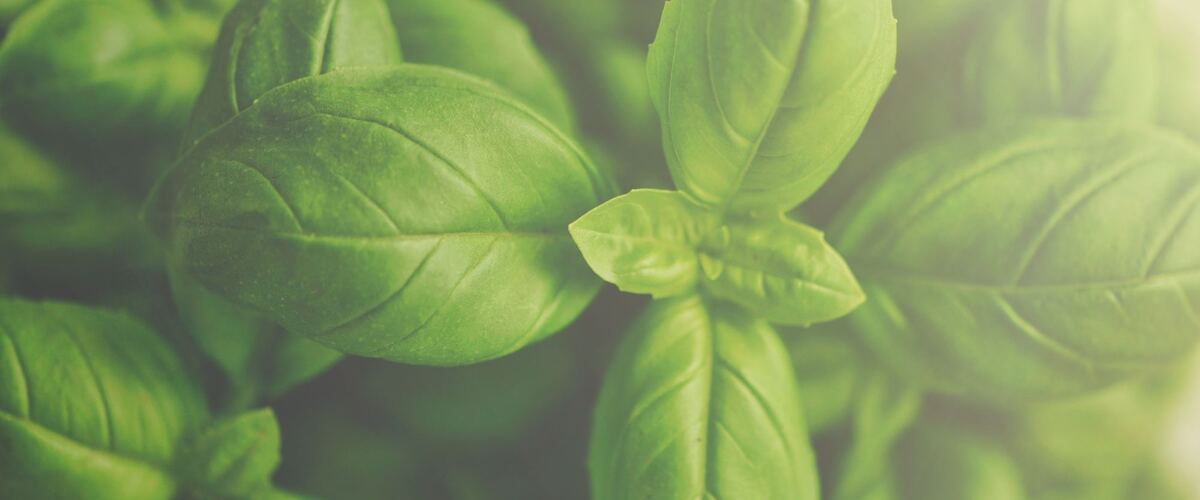
Basil is a tender herb in the mint family, grown for fragrant leaves that go into pesto, tomato dishes and Thai and Vietnamese cooking. Sweet Genovese is the pesto basil; Thai basil has an anise flavor and purple stems, and lemon and cinnamon basils smell like their names. Pinching off the flower spikes keeps the plant making leaves.
Puts basil on your free plan, with dates for your town and a spot in your beds.
- Difficulty
- Moderate
- Sun
- Full sun
- Spacing
- 12 inches apart
- Planting depth
- Plant starts at the depth they grew in the pot
- Frost
- Killed by frost
- First harvest
- About 60 days after planting
Cold nights below about 50°F blacken and stunt it, so it's the last thing to go out.
Basil planting dates
| Towns | Start seeds indoors | Plant in the garden |
|---|---|---|
| Portland, OR, Seattle and Tacoma, WA | Apr 13–27 | May 25 – Jun 22 |
| Spokane, WA | Apr 18 – May 2 | May 30 – Jun 27 |
| Boise and Meridian, ID | Mar 29 – Apr 12 | May 10 – Jun 7 |
| Bend and Redmond, OR | May 5–19 | Jun 16 – Jul 14 |
| Astoria, OR | Apr 20 – May 4 | Jun 1–29 |
Dates for six main cities. For any of the other 80 towns, type it in the box at the top of the page or browse all towns.
| Gresham, OR, Hillsboro and Beaverton, OR, Oregon City and West Linn, OR, Portland, OR, St. Helens and Scappoose, OR, Wilsonville and Canby, OR | Apr 13–27 | May 25 – Jun 22 |
|---|
| Corvallis and Albany, OR, Cottage Grove, OR, Eugene, OR, McMinnville and Newberg, OR, Salem, OR | Apr 13–27 | May 25 – Jun 22 |
|---|
| Ashland and Talent, OR, Grants Pass, OR, Medford, OR, Roseburg, OR | Apr 13–27 | May 25 – Jun 22 |
|---|
| Astoria, OR, Brookings and Gold Beach, OR, Coos Bay and North Bend, OR, Newport and Lincoln City, OR, Tillamook, OR | Apr 20 – May 4 | Jun 1–29 |
|---|
| Bend and Redmond, OR, Klamath Falls, OR | May 5–19 | Jun 16 – Jul 14 |
|---|---|---|
| Burns, OR | May 7–21 | Jun 18 – Jul 16 |
| Lakeview, OR | Apr 30 – May 14 | Jun 11 – Jul 9 |
| Madras, OR | Apr 24 – May 8 | Jun 5 – Jul 3 |
| Prineville, OR | Apr 27 – May 11 | Jun 8 – Jul 6 |
| Baker City, OR, Enterprise and Joseph, OR, John Day, OR | Apr 24 – May 8 | Jun 5 – Jul 3 |
|---|---|---|
| Hermiston, OR, Hood River, OR, Ontario, OR, Pendleton, OR, The Dalles, OR | Mar 29 – Apr 12 | May 10 – Jun 7 |
| La Grande, OR | Apr 18 – May 2 | May 30 – Jun 27 |
| Bremerton and Port Orchard, WA, Everett, WA, Kent, Renton and Auburn, WA, Olympia, WA, Seattle and Tacoma, WA, Shelton, WA | Apr 13–27 | May 25 – Jun 22 |
|---|
| Anacortes, WA, Bellingham, WA, Friday Harbor and the San Juans, WA, Mount Vernon and Burlington, WA, Oak Harbor and Whidbey Island, WA | Apr 13–27 | May 25 – Jun 22 |
|---|
| Aberdeen and Hoquiam, WA, Forks, WA, Long Beach and Ilwaco, WA | Apr 20 – May 4 | Jun 1–29 |
|---|---|---|
| Port Angeles, WA, Port Townsend, WA, Sequim, WA | Apr 13–27 | May 25 – Jun 22 |
| Centralia and Chehalis, WA, Longview and Kelso, WA, Vancouver, WA | Apr 13–27 | May 25 – Jun 22 |
|---|
| Chelan, WA, Wenatchee, WA | Mar 29 – Apr 12 | May 10 – Jun 7 |
|---|---|---|
| Leavenworth, WA, Omak and Okanogan, WA, Winthrop and Twisp, WA | Apr 18 – May 2 | May 30 – Jun 27 |
| Ellensburg, WA, Goldendale, WA | Apr 18 – May 2 | May 30 – Jun 27 |
|---|---|---|
| Ephrata and Quincy, WA, Moses Lake, WA, Sunnyside, Grandview and Prosser, WA, Tri-Cities (Pasco, Kennewick, Richland), WA, Walla Walla, WA | Mar 29 – Apr 12 | May 10 – Jun 7 |
| Yakima, WA | Apr 3–17 | May 15 – Jun 12 |
| Colville, WA, Pullman, WA, Spokane, WA | Apr 18 – May 2 | May 30 – Jun 27 |
|---|
| Bonners Ferry, ID, Coeur d'Alene and Post Falls, ID, Sandpoint, ID | Apr 18 – May 2 | May 30 – Jun 27 |
|---|
| Lewiston, ID | Mar 29 – Apr 12 | May 10 – Jun 7 |
|---|---|---|
| Moscow, ID | Apr 18 – May 2 | May 30 – Jun 27 |
| Boise and Meridian, ID, Emmett, ID, Nampa and Caldwell, ID | Mar 29 – Apr 12 | May 10 – Jun 7 |
|---|---|---|
| McCall, ID | May 18 – Jun 1 | Jun 29 – Jul 27 |
| Burley and Rupert, ID, Idaho Falls, ID, Pocatello, ID, Rexburg, ID, Twin Falls, ID | Apr 18 – May 2 | May 30 – Jun 27 |
|---|---|---|
| Salmon, ID | Apr 24 – May 8 | Jun 5 – Jul 3 |
Basil year at a glance
| Task | J | F | M | A | M | J | J | A | S | O | N | D |
|---|---|---|---|---|---|---|---|---|---|---|---|---|
| Start indoors | Apr | |||||||||||
| Plant | May | Jun | ||||||||||
| Harvest | Jul | Aug | Sep |
Around Portland. Colder towns, especially east of the Cascades, run a few weeks later; the table above has your town's planting dates.
How to grow basil
- Start seeds indoors on your city's dates in trays or small pots under a grow light or in your sunniest window. Or skip this step and buy young plants (starts) at a garden center.
- Harden off the young plants: about a week before planting, set them outside for a few hours a day, a little longer each day.
- Plant them in the garden on your city's dates, 12 inches apart. Plant starts at the depth they grew in the pot.
- Water deeply once or twice a week rather than a little every day, and mulch once the soil is warm.
- Harvest: Pinch off the top pair of leaves often so plants bush out, and remove flower buds.
Growing basil in your part of the Northwest
The same plant behaves differently on the wet west side, the foggy coast and the dry, colder east side.
West-side valleys
Willamette Valley, Puget Sound, southern Oregon
Basil stalls and blackens when nights drop below 50°F, so wait until June to plant it out. Slugs love young basil.
Coast
Oregon and Washington coast
Basil struggles outdoors in cool, foggy summers. Grow it in pots on a sunny, sheltered patio or in a greenhouse.
East of the Cascades
Columbia Basin, Yakima, Boise, Spokane, north Idaho
Basil thrives in the heat. Keep pinching flower buds to keep the leaves coming.
High desert and mountain towns
Central Oregon, high eastern Oregon valleys, McCall, Salmon
Frost can come any month, so keep basil in pots you can bring in, or cover it on cold nights.
More basil varieties
More widely sold picks that do well somewhere in the Northwest. The tag says which part of the Northwest suits each one best.
Genovese
The classic large-leaf sweet basil for pesto and tomato dishes. It needs the warmest, sunniest spot you have and should go out only after nights stay warm.
Both sides
Thai
Smaller green leaves with purple stems and flowers and a spicy anise flavor. It holds up to heat in cooking and is essential for many Southeast Asian dishes.
Both sides
Spicy Globe
Forms a neat, round mound of tiny, flavorful leaves. Great in pots and along bed edges, and easy to bring indoors when nights turn cold.
Both sides
Prospera
A Genovese-type sweet basil with high resistance to basil downy mildew, a disease that can wipe out plants in humid or damp weather. Same flavor, fewer losses.
West side
Dark Opal
Glossy, deep purple leaves with a sweet, spicy flavor. It is slower growing than green basil but beautiful in containers, salads and herb vinegars.
Both sides
Lemon
Narrow green leaves with a strong lemon scent and flavor. Good with fish, salads and tea; sow it every few weeks since it flowers quickly.
Both sides
How much to grow
How many to plant
For a family of four, 4 to 6 plants for cooking fresh. Plant 12 or more if you make pesto to freeze.
What to expect
About ½ to 1 cup of leaves per plant a week in midsummer.
Storing the harvest
Keep stems in a glass of water on the counter, not the fridge, which blackens the leaves. Freeze as pesto or in oil.
Key numbers
- Below 50°FChill damage
- 70–85°FSoil to sprout
- Nights above 50°FPlant out
- 6 inches tallPinch at
- Counter, not the fridgeStore
- Prospera, AmazelMildew resistant
Top care tip: Pinch off flower buds and the top pair of leaves often so plants stay bushy and leafy.
The plant science
The plant biology behind the advice above, in plain language.
A tropical plant in a cool climate
Basil is a tropical plant, and cold damages it even without frost. Below about 50°F the leaves can develop dark spots and blacken a few days later, and growth stalls. Seeds sprout best in soil around 70 to 85°F. In the Northwest, that means waiting until nights stay above 50°F, usually June west of the Cascades, or growing it in a greenhouse or a warm, sheltered spot.
Pinching and flowering
Pinch off the top pair of leaves above a pair of side shoots when plants are 6 inches tall, and keep pinching. Each pinch makes two new shoots and a bushier plant. Once basil flowers, it shifts energy to seeds, leaf production slows and the flavor changes, so pinch off flower buds as soon as they appear.
Soil and water
Basil likes rich, well-drained soil with a pH of about 6.0 to 7.0, full sun and steady moisture. Water at the base in the morning. Wet leaves overnight encourage disease. In containers, use a large pot so the soil doesn't dry out by afternoon.
Downy mildew
Basil downy mildew spread across North America in the late 2000s. Leaves yellow between the veins, and a gray-purple fuzz forms on the undersides, especially in humid weather. Classic Genovese is very susceptible. Resistant varieties like Prospera and Amazel hold up much better, and the Rutgers DMR varieties are moderately resistant. Pull infected plants promptly.
Harvest and storage
Harvest by cutting stems just above a pair of leaves. Don't refrigerate fresh basil: cold blackens it. Keep cut stems in a glass of water on the counter like flowers, or blend it into pesto or oil and freeze it.
Good neighbors
Good neighbors
- Tomatoes and peppers. Same warm, sunny needs and planting date.
Pests and problems
What most often goes wrong with basil in Northwest gardens, how to spot it and what to do.
Cold damage
Signs: Black spots on the leaves after chilly nights.
What to do: Plant after nights stay above 50°F.
Downy mildew
Signs: Yellowing leaves with gray fuzz underneath.
What to do: Resistant varieties, space for airflow and watering at the base.
Slugs
Signs: Holes in the leaves.
What to do: Slug bait around young plants.
Saving basil seed
Will it come true?
Bees cross basil varieties easily, so grow one kind if you want seed true to type.
How to save it
Let a few flower spikes turn brown and dry on the plant, then crumble them over a bowl and sift out the tiny black seeds. Store dry seed in a labeled paper envelope in a cool, dry place.
Common questions about growing basil
When should I plant basil in Oregon, Washington and Idaho?
Plant in the garden: May 25 – Jun 22 in Portland and Seattle, May 30 – Jun 27 in Spokane, May 10 – Jun 7 in Boise and Jun 16 – Jul 14 in Bend. Pick your town at the top of the page for your own dates.
Why is my basil turning black?
Cold. Basil is damaged below about 50°F, even without frost, and the leaves blacken a few days later. Keep it outside only when nights are warm, and never store fresh basil in the fridge.
Why are my basil leaves yellow with fuzz underneath?
That's basil downy mildew. Pull infected plants, water at the base in the morning, and grow resistant varieties like Prospera or Amazel next time.
Can I keep basil alive over winter?
Basil is grown as an annual and usually declines indoors in winter's low light. You can root cuttings in water in late summer and grow them on a sunny windowsill or under a grow light, but new seedlings in spring usually do better.
See what else to plant in April, May or June.
 Cilantro
 Parsley
 Dill
 Chives
 Mint
 Rosemary
 Thyme
 Oregano
 Lavender
 Sage
 Tarragon
 Lemon balm