
Oregon · Washington · Idaho
When to plant blueberries
Plant in the garden: Portland and Seattle Mar 15 – May 3; Spokane Apr 15 – Jun 3; Boise Apr 1 – May 20; Bend May 12 – Jun 30.
Your dates in
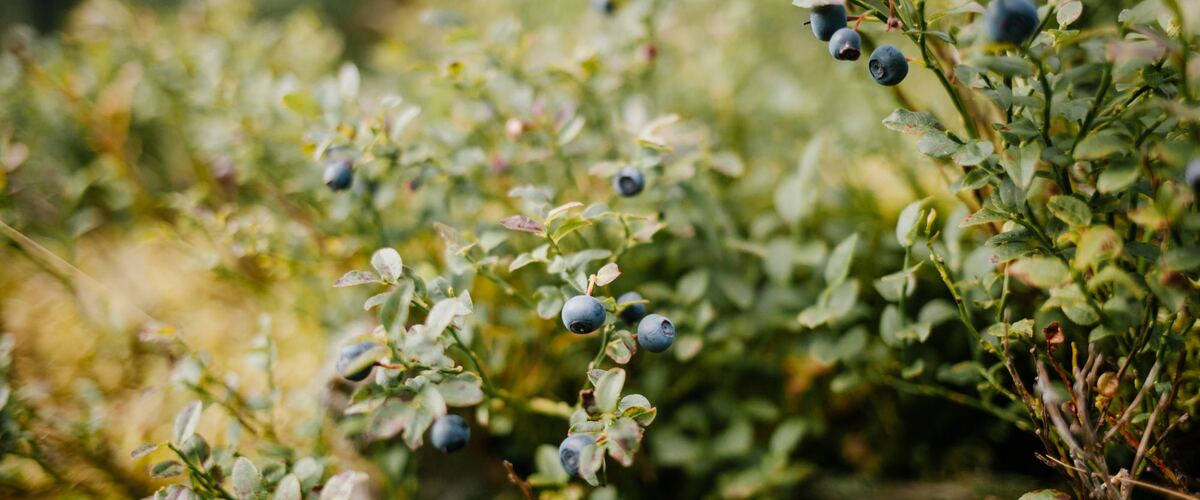
Blueberries are woody shrubs in the heath family, related to huckleberries, rhododendrons and heather, grown for berries eaten fresh, frozen or baked. Most garden bushes are northern highbush types, while half-high varieties stay small enough for big pots, and a healthy bush can keep producing for decades. Oregon and Washington are two of the country's biggest blueberry-growing states.
Puts blueberries on your free plan, with dates for your town and a spot in your beds.
- Difficulty
- Easy
- Sun
- Full sun
- Spacing
- 4 to 5 feet apart
- Planting depth
- Same depth as in the pot
- Frost
- Hardy perennial; comes back every year
- First harvest
- Small crops in year two or three; full crops by year five
Need acidic soil (pH 4.5 to 5.5). West-side soils are often close but usually need some sulfur, and east-side soils need much more, so test first. Plant two varieties for better crops. West of the Cascades, fall planting works well too.
Blueberry planting dates
| Towns | Plant in the garden |
|---|---|
| Portland, OR, Seattle and Tacoma, WA | Mar 15 – May 3 |
| Spokane, WA | Apr 15 – Jun 3 |
| Boise and Meridian, ID, Astoria, OR | Apr 1 – May 20 |
| Bend and Redmond, OR | May 12 – Jun 30 |
Dates for six main cities. For any of the other 80 towns, type it in the box at the top of the page or browse all towns.
| Gresham, OR, Oregon City and West Linn, OR, Portland, OR, St. Helens and Scappoose, OR, Wilsonville and Canby, OR | Mar 15 – May 3 |
|---|---|
| Hillsboro and Beaverton, OR | Mar 19 – May 7 |
| Corvallis and Albany, OR, Eugene, OR, Salem, OR | Mar 15 – May 3 |
|---|---|
| Cottage Grove, OR | Mar 27 – May 15 |
| McMinnville and Newberg, OR | Mar 18 – May 6 |
| Ashland and Talent, OR | Apr 8 – May 27 |
|---|---|
| Grants Pass, OR, Medford, OR, Roseburg, OR | Mar 15 – May 3 |
| Astoria, OR, Brookings and Gold Beach, OR, Coos Bay and North Bend, OR, Newport and Lincoln City, OR, Tillamook, OR | Apr 1 – May 20 |
|---|
| Bend and Redmond, OR, Klamath Falls, OR | May 12 – Jun 30 |
|---|---|
| Burns, OR | May 14 – Jul 2 |
| Lakeview, OR | May 7 – Jun 25 |
| Madras, OR | Apr 21 – Jun 9 |
| Prineville, OR | May 4 – Jun 22 |
| Baker City, OR | Apr 27 – Jun 15 |
|---|---|
| Enterprise and Joseph, OR | Apr 26 – Jun 14 |
| Hermiston, OR, Hood River, OR, Ontario, OR, Pendleton, OR, The Dalles, OR | Apr 1 – May 20 |
| John Day, OR | Apr 30 – Jun 18 |
| La Grande, OR | Apr 15 – Jun 3 |
| Bremerton and Port Orchard, WA, Everett, WA, Kent, Renton and Auburn, WA, Seattle and Tacoma, WA | Mar 15 – May 3 |
|---|---|
| Olympia, WA | Apr 1 – May 20 |
| Shelton, WA | Mar 30 – May 18 |
| Anacortes, WA, Bellingham, WA, Friday Harbor and the San Juans, WA, Mount Vernon and Burlington, WA, Oak Harbor and Whidbey Island, WA | Mar 15 – May 3 |
|---|
| Aberdeen and Hoquiam, WA, Forks, WA, Long Beach and Ilwaco, WA | Apr 1 – May 20 |
|---|---|
| Port Angeles, WA, Port Townsend, WA | Mar 15 – May 3 |
| Sequim, WA | Mar 24 – May 12 |
| Centralia and Chehalis, WA | Mar 25 – May 13 |
|---|---|
| Longview and Kelso, WA, Vancouver, WA | Mar 15 – May 3 |
| Chelan, WA, Wenatchee, WA | Apr 1 – May 20 |
|---|---|
| Leavenworth, WA, Omak and Okanogan, WA | Apr 15 – Jun 3 |
| Winthrop and Twisp, WA | Apr 17 – Jun 5 |
| Ellensburg, WA | Apr 15 – Jun 3 |
|---|---|
| Ephrata and Quincy, WA, Moses Lake, WA, Tri-Cities (Pasco, Kennewick, Richland), WA, Walla Walla, WA | Apr 1 – May 20 |
| Goldendale, WA | Apr 21 – Jun 9 |
| Sunnyside, Grandview and Prosser, WA | Apr 3 – May 22 |
| Yakima, WA | Apr 10 – May 29 |
| Colville, WA, Pullman, WA, Spokane, WA | Apr 15 – Jun 3 |
|---|
| Bonners Ferry, ID, Coeur d'Alene and Post Falls, ID, Sandpoint, ID | Apr 15 – Jun 3 |
|---|
| Lewiston, ID | Apr 1 – May 20 |
|---|---|
| Moscow, ID | Apr 15 – Jun 3 |
| Boise and Meridian, ID, Nampa and Caldwell, ID | Apr 1 – May 20 |
|---|---|
| Emmett, ID | Apr 2 – May 21 |
| McCall, ID | May 25 – Jul 13 |
| Burley and Rupert, ID, Idaho Falls, ID, Pocatello, ID, Rexburg, ID, Twin Falls, ID | Apr 15 – Jun 3 |
|---|---|
| Salmon, ID | Apr 19 – Jun 7 |
Blueberry year at a glance
| Task | J | F | M | A | M | J | J | A | S | O | N | D |
|---|---|---|---|---|---|---|---|---|---|---|---|---|
| Plant | Mar | Apr | May | |||||||||
| Harvest | Jul | Aug | Sep |
Around Portland. Colder towns, especially east of the Cascades, run a few weeks later; the table above has your town's planting dates. Harvest months are for an established plant.
How to grow blueberries
- Pick a sunny spot with soil that drains well, and mix in an inch or two of compost.
- Plant blueberry bushes on your city's dates, 4 to 5 feet apart. Same depth as in the pot.
- Mix peat moss or acidic compost into the planting hole, mulch with sawdust or bark, and pinch off flowers the first year.
- Harvest: Pick berries a few days after they turn fully blue, when they roll off into your hand.
Growing blueberries in your part of the Northwest
The same plant behaves differently on the wet west side, the foggy coast and the dry, colder east side.
West-side valleys
Willamette Valley, Puget Sound, southern Oregon
West-side acidic soils suit blueberries naturally, and the region grows many commercially. Mummy berry and spotted wing drosophila are the main pests.
Coast
Oregon and Washington coast
Blueberries grow well in the acidic coastal soils. Choose varieties that ripen before fall rains.
East of the Cascades
Columbia Basin, Yakima, Boise, Spokane, north Idaho
Alkaline soil and water make blueberries hard east of the Cascades. Grow them in raised beds with acidic mix or large containers, and watch for yellow leaves, a sign of iron deficiency.
High desert and mountain towns
Central Oregon, high eastern Oregon valleys, McCall, Salmon
Alkaline soil and cold winters make blueberries challenging. Use half-high varieties in containers or acidified beds.
More blueberry varieties
More widely sold picks that do well somewhere in the Northwest. The tag says which part of the Northwest suits each one best.
Duke
One of the earliest and most dependable blueberries, with mild, firm, medium-large berries. It blooms late, so spring frosts rarely catch it, and it is a heavy, reliable cropper.
Both sides
Bluecrop
The most widely planted blueberry for good reason: steady heavy crops of light blue, tangy-sweet berries on a hardy, upright bush. A safe first choice for almost any Northwest yard.
Both sides
Chandler
Famous for some of the largest berries of any blueberry, often the size of a nickel or bigger. It ripens over a long stretch, extending the harvest well into August.
Both sides
Top Hat
A compact bush about 2 feet tall that is made for patio pots. It is very cold hardy and bears small, flavorful berries, with white spring flowers and red fall leaves as a bonus.
Cold winters
Patriot
Very cold hardy and more tolerant of heavy, wet soil than most blueberries. Large, flavorful berries come early, and the bush puts on bright orange-red color in fall.
Both sides
Legacy
Prized for its outstanding sweet flavor and high yields. The bush holds some leaves through mild winters, and it does best in the gentler winters west of the Cascades.
West side
Reka
A vigorous bush that tolerates wetter soils better than many varieties. Dark blue, medium berries with good flavor come early, and the plant grows quickly to full production.
West side
How much to grow
How many to plant
For a family of four, 4 to 8 bushes, with two or more varieties for better crops and a longer season.
What to expect
About 5 to 10 pounds per bush once mature, usually by year six to eight.
Storing the harvest
Keep unwashed in the fridge for one to two weeks. Freeze on a tray, then bag.
Key numbers
- 4.5–5.5Soil pH
- Ammonium, not nitrateNitrogen type
- 2–4 inches sawdust or barkMulch
- 1–2 inches a week in summerWater
- 3–6 years oldMost fruitful canes
- By year 5Full crops
Top care tip: Top up the sawdust or bark mulch every year to keep the soil acidic and moist.
The plant science
The plant biology behind the advice above, in plain language.
Acidic soil is the whole game
Blueberries need acidic soil, with a pH of about 4.5 to 5.5. Many Northwest soils west of the Cascades are already close, but soils east of the mountains are often neutral or alkaline. Test before you plant. At the wrong pH, blueberries can't take up iron and other nutrients, and the classic symptom is yellow leaves with green veins.
To lower pH, mix elemental sulfur into the soil. Soil bacteria slowly turn it into acid, which takes months, so ideally add it the season before planting and retest. Avoid aluminum sulfate, which acts faster but can build up to levels that harm the roots. If your soil is alkaline, growing in large containers or raised beds of acidic mix is often easier than fighting it.
Shallow, fussy roots
Blueberry roots are fine, shallow, and have no root hairs. Instead they rely on partnerships with soil fungi to absorb water and nutrients, and those fungi do best in soil rich in organic matter. That's why growers work peat or acidic compost into the planting area and keep 2 to 4 inches of sawdust or bark mulch over the roots. The mulch keeps them cool and moist and slowly adds organic matter.
Shallow roots also dry out fast. Give them about an inch or two of water a week in summer, especially while berries are swelling, ideally through drip irrigation.
Feeding
Blueberries take up nitrogen best as ammonium, so use a fertilizer made for acid-loving plants or ammonium sulfate rather than nitrate fertilizers. Split it into two or three small doses from early to late spring. Too much at once burns the shallow roots. Skip fresh manure, which is salty and tends to raise pH.
Pollination and pruning
Northern highbush blueberries are partly self-fertile, but planting two or more varieties that bloom at the same time gives bigger berries and heavier crops through cross-pollination. They also need a winter chill of roughly 800 to 1,000 hours below 45°F, which Northwest winters easily provide.
Fruit forms on wood that grew the previous summer, and canes are most productive at about three to six years old. Each winter after the plants are established, remove a few of the oldest, grayest canes at the base and thin out weak, twiggy growth. That keeps young, fruitful canes coming.
Pests and diseases
Birds are the biggest loss, so net bushes as berries begin to color. Spotted wing drosophila, a small fruit fly that arrived in the Northwest around 2009, lays eggs in ripening berries, especially later in summer. Picking every few days and refrigerating berries promptly limits the damage. Mummy berry, a fungus that turns berries into shriveled gray mummies, overwinters in fallen fruit; rake up mummies and refresh the mulch in late winter.
Harvest and storage
Blueberries don't get sweeter after picking. Wait several days after they turn fully blue; they keep sweetening on the bush and drop easily into your hand when ripe. Refrigerate them unwashed, and rinse just before eating. They also freeze well spread on a tray before bagging.
Good neighbors
Good neighbors
- Huckleberries and other acid lovers. Same acidic, moist soil.
- Another blueberry variety. Cross-pollination gives bigger crops.
Pests and problems
What most often goes wrong with blueberries in Northwest gardens, how to spot it and what to do.
Birds
Signs: Berries vanish as they turn blue.
What to do: Net the bushes as the fruit colors.
Spotted wing drosophila
Signs: Soft, leaking berries with tiny larvae inside.
What to do: Pick often, pick everything ripe and chill the harvest.
Mummy berry
Signs: Berries shrivel into gray-tan mummies.
What to do: Rake up and bin mummies, and mulch fresh in early spring.
Common questions about growing blueberries
When should I plant blueberries in Oregon, Washington and Idaho?
Plant in the garden: Mar 15 – May 3 in Portland and Seattle, Apr 15 – Jun 3 in Spokane, Apr 1 – May 20 in Boise and May 12 – Jun 30 in Bend. Pick your town at the top of the page for your own dates.
Why are my blueberry leaves turning yellow?
Yellow leaves with green veins usually mean the soil pH is too high, so the plant can't take up iron. Test the soil; if it's above about 5.5, work in elemental sulfur and switch to an acid-plant fertilizer. Overall pale leaves can also mean the plant simply needs nitrogen.
Do I need two blueberry bushes?
One bush will fruit, but two or more varieties that bloom at the same time give bigger berries and heavier crops through cross-pollination. Choosing early, mid and late varieties also spreads the harvest over the summer.
Do coffee grounds make soil acidic enough for blueberries?
Not reliably. Brewed grounds are close to neutral and change soil pH very little. They're fine as mulch or compost, but use elemental sulfur to actually lower pH, and test to confirm.
How long until blueberries produce?
Expect small crops in the second or third year and full crops by about year five. Picking off the flowers in the first year helps the plant build roots, and a healthy bush can produce for decades.
See what else to plant in March, April or May.
 Strawberries
 Raspberries
 Blackberries
 Grapes
 Hardy kiwi
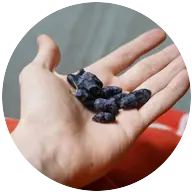 Honeyberries
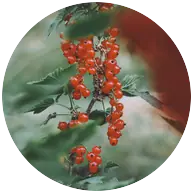 Currants
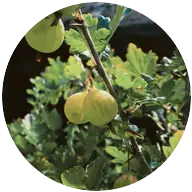 Gooseberries
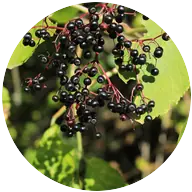 Elderberries