
Oregon · Washington · Idaho
When to plant carrots
Plant in the garden: Portland and Seattle Mar 15 – May 10; Spokane Apr 15 – Jun 10; Boise Apr 1 – May 27; Bend May 12 – Jul 7.
Your dates in
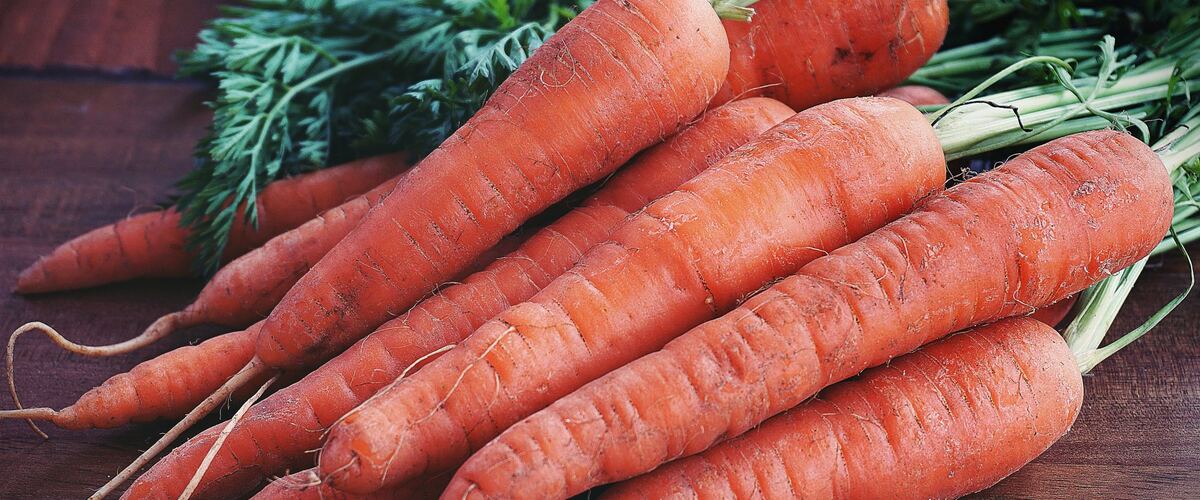
Carrots are the taproot of a plant in the same family as parsley, dill and celery, eaten raw, roasted or in soups and stews. Homegrown carrots come in shapes for different soils, from short, stubby or round types for heavy or shallow ground to long, slim ones for deep, loose beds, in orange, purple, yellow and white. The feathery tops are edible and can be used like parsley.
Puts carrots on your free plan, with dates for your town and a spot in your beds.
- Difficulty
- Moderate
- Sun
- Full sun
- Spacing
- Thin to 2 inches apart
- Planting depth
- ¼ inch deep
- Frost
- Handles light frost
- First harvest
- About 70 days after planting
Keep the seedbed moist until they sprout, which can take two to three weeks in cool soil.
Carrot planting dates
| Towns | Plant in the garden | Plant again for fall |
|---|---|---|
| Portland, OR, Seattle and Tacoma, WA | Mar 15 – May 10 | Jul 23 – Aug 6 |
| Spokane, WA | Apr 15 – Jun 10 | Jul 20 – Aug 3 |
| Boise and Meridian, ID, Astoria, OR | Apr 1 – May 27 | Jul 23 – Aug 6 |
| Bend and Redmond, OR | May 12 – Jul 7 | — |
Dates for six main cities. For any of the other 80 towns, type it in the box at the top of the page or browse all towns.
| Gresham, OR, Oregon City and West Linn, OR, Portland, OR, St. Helens and Scappoose, OR, Wilsonville and Canby, OR | Mar 15 – May 10 | Jul 23 – Aug 6 |
|---|---|---|
| Hillsboro and Beaverton, OR | Mar 19 – May 14 | Jul 23 – Aug 6 |
| Corvallis and Albany, OR, Eugene, OR, Salem, OR | Mar 15 – May 10 | Jul 23 – Aug 6 |
|---|---|---|
| Cottage Grove, OR | Mar 27 – May 22 | Jul 23 – Aug 6 |
| McMinnville and Newberg, OR | Mar 18 – May 13 | Jul 23 – Aug 6 |
| Ashland and Talent, OR | Apr 8 – Jun 3 | Jul 16–30 |
|---|---|---|
| Grants Pass, OR, Medford, OR, Roseburg, OR | Mar 15 – May 10 | Jul 23 – Aug 6 |
| Astoria, OR, Brookings and Gold Beach, OR, Coos Bay and North Bend, OR, Newport and Lincoln City, OR, Tillamook, OR | Apr 1 – May 27 | Jul 23 – Aug 6 |
|---|
| Bend and Redmond, OR, Klamath Falls, OR | May 12 – Jul 7 | — |
|---|---|---|
| Burns, OR | May 14 – Jul 9 | — |
| Lakeview, OR | May 7 – Jul 2 | — |
| Madras, OR | Apr 21 – Jun 16 | Jul 12–26 |
| Prineville, OR | May 4 – Jun 29 | — |
| Baker City, OR | Apr 27 – Jun 22 | — |
|---|---|---|
| Enterprise and Joseph, OR | Apr 26 – Jun 21 | Jul 9–23 |
| Hermiston, OR | Apr 1 – May 27 | Jul 18 – Aug 1 |
| Hood River, OR | Apr 1 – May 27 | Jul 21 – Aug 4 |
| John Day, OR | Apr 30 – Jun 25 | — |
| La Grande, OR | Apr 15 – Jun 10 | Jul 9–23 |
| Ontario, OR | Apr 1 – May 27 | Jul 22 – Aug 5 |
| Pendleton, OR, The Dalles, OR | Apr 1 – May 27 | Jul 23 – Aug 6 |
| Bremerton and Port Orchard, WA, Everett, WA, Kent, Renton and Auburn, WA, Seattle and Tacoma, WA | Mar 15 – May 10 | Jul 23 – Aug 6 |
|---|---|---|
| Olympia, WA | Apr 1 – May 27 | Jul 22 – Aug 5 |
| Shelton, WA | Mar 30 – May 25 | Jul 23 – Aug 6 |
| Anacortes, WA, Bellingham, WA, Friday Harbor and the San Juans, WA, Mount Vernon and Burlington, WA, Oak Harbor and Whidbey Island, WA | Mar 15 – May 10 | Jul 23 – Aug 6 |
|---|
| Aberdeen and Hoquiam, WA, Forks, WA, Long Beach and Ilwaco, WA | Apr 1 – May 27 | Jul 23 – Aug 6 |
|---|---|---|
| Port Angeles, WA, Port Townsend, WA | Mar 15 – May 10 | Jul 23 – Aug 6 |
| Sequim, WA | Mar 24 – May 19 | Jul 23 – Aug 6 |
| Centralia and Chehalis, WA | Mar 25 – May 20 | Jul 23 – Aug 6 |
|---|---|---|
| Longview and Kelso, WA, Vancouver, WA | Mar 15 – May 10 | Jul 23 – Aug 6 |
| Chelan, WA, Wenatchee, WA | Apr 1 – May 27 | Jul 23 – Aug 6 |
|---|---|---|
| Leavenworth, WA | Apr 15 – Jun 10 | Jul 8–22 |
| Omak and Okanogan, WA | Apr 15 – Jun 10 | Jul 15–29 |
| Winthrop and Twisp, WA | Apr 17 – Jun 12 | Jun 30 – Jul 14 |
| Ellensburg, WA | Apr 15 – Jun 10 | Jul 15–29 |
|---|---|---|
| Ephrata and Quincy, WA, Walla Walla, WA | Apr 1 – May 27 | Jul 23 – Aug 6 |
| Goldendale, WA | Apr 21 – Jun 16 | Jul 3–17 |
| Moses Lake, WA | Apr 1 – May 27 | Jul 16–30 |
| Sunnyside, Grandview and Prosser, WA | Apr 3 – May 29 | Jul 14–28 |
| Tri-Cities (Pasco, Kennewick, Richland), WA | Apr 1 – May 27 | Jul 19 – Aug 2 |
| Yakima, WA | Apr 10 – Jun 5 | Jul 12–26 |
| Colville, WA, Pullman, WA | Apr 15 – Jun 10 | Jul 10–24 |
|---|---|---|
| Spokane, WA | Apr 15 – Jun 10 | Jul 20 – Aug 3 |
| Bonners Ferry, ID | Apr 15 – Jun 10 | Jul 12–26 |
|---|---|---|
| Coeur d'Alene and Post Falls, ID | Apr 15 – Jun 10 | Jul 23 – Aug 6 |
| Sandpoint, ID | Apr 15 – Jun 10 | Jul 6–20 |
| Lewiston, ID | Apr 1 – May 27 | Jul 23 – Aug 6 |
|---|---|---|
| Moscow, ID | Apr 15 – Jun 10 | Jul 10–24 |
| Boise and Meridian, ID | Apr 1 – May 27 | Jul 23 – Aug 6 |
|---|---|---|
| Emmett, ID | Apr 2 – May 28 | Jul 23 – Aug 6 |
| McCall, ID | May 25 – Jul 20 | — |
| Nampa and Caldwell, ID | Apr 1 – May 27 | Jul 21 – Aug 4 |
| Burley and Rupert, ID, Twin Falls, ID | Apr 15 – Jun 10 | Jul 12–26 |
|---|---|---|
| Idaho Falls, ID | Apr 15 – Jun 10 | Jul 9–23 |
| Pocatello, ID | Apr 15 – Jun 10 | Jul 19 – Aug 2 |
| Rexburg, ID | Apr 15 – Jun 10 | Jul 2–16 |
| Salmon, ID | Apr 19 – Jun 14 | Jul 2–16 |
Carrot year at a glance
| Task | J | F | M | A | M | J | J | A | S | O | N | D |
|---|---|---|---|---|---|---|---|---|---|---|---|---|
| Plant | Mar | Apr | May | Jul | Aug | |||||||
| Harvest | Jun | Jul | Aug | Sep | Oct | Nov |
Around Portland. Colder towns, especially east of the Cascades, run a few weeks later; the table above has your town's planting dates.
How to grow carrots
- Prepare the bed: loosen the soil and mix in an inch or two of compost.
- Plant seeds on your city's dates, ¼ inch deep, Thin to 2 inches apart.
- Keep the soil evenly moist until sprouts appear, which can take one to three weeks in cool soil.
- Plant again on your city's dates for a fall harvest.
- Harvest: Pull when the shoulders are about ¾ inch across. Fall carrots sweeten after a light frost.
Growing carrots in your part of the Northwest
The same plant behaves differently on the wet west side, the foggy coast and the dry, colder east side.
West-side valleys
Willamette Valley, Puget Sound, southern Oregon
Heavy clay makes carrots fork and stunt, so grow them in raised beds or loosened, compost-rich soil. Carrot rust fly is common; row cover keeps it out. Many west-side gardeners leave carrots in the ground under mulch and dig them through winter.
Coast
Oregon and Washington coast
Sandy coastal soils grow straight, smooth carrots. Carrot rust fly is a problem here too, so cover the rows.
East of the Cascades
Columbia Basin, Yakima, Boise, Spokane, north Idaho
Dry wind and sun can bake the soil surface into a crust that seedlings can't push through. Keep the seedbed moist with light daily watering or a board or burlap over the row until they sprout.
High desert and mountain towns
Central Oregon, high eastern Oregon valleys, McCall, Salmon
Loose pumice and sandy soils suit carrots well, and fall frosts sweeten the roots. Keep the seedbed moist in the dry air.
More carrot varieties
More widely sold picks that do well somewhere in the Northwest. The tag says which part of the Northwest suits each one best.
Scarlet Nantes
Bright orange, cylindrical roots about 6 inches long with sweet, crisp flesh and almost no core. A dependable, easy carrot for most home beds.
Both sides
Bolero
Smooth, uniform Nantes roots with strong tops and good resistance to leaf blights. It stores very well and holds in the ground into fall and winter.
Both sides
Danvers
A classic tapered carrot with strong shoulders that handles heavier soils better than long, slender types. Good for storage, cooking and juicing.
Both sides
Napoli
A fast, sweet Nantes carrot for early spring sowing that is also popular for overwintering west of the Cascades. Cold weather makes the roots even sweeter.
Coast and west side
Chantenay Red Cored
Short, stout roots that push through clay and rocky soil where long carrots fork. It has a rich flavor and stores well.
Both sides
Yaya
A quick, very sweet Nantes carrot with smooth, uniform roots. Its speed makes it useful for short seasons and for late summer sowings that need to size up before cold weather.
Short seasons
How much to grow
How many to plant
For a family of four, about 10 to 20 feet of row in spring, and as much again in midsummer for fall and winter.
What to expect
About 1 pound per foot of row.
Storing the harvest
Cut off the tops and keep roots in a bag in the fridge for weeks. West of the Cascades, fall carrots can stay in the ground under mulch into winter.
What to plant after carrots
Around Portland, the carrot harvest wraps up around November. These crops can still go into the same bed, and they come from a different plant family, which helps with rotation.
 Garlic
 Shallots
Portland dates. Pick your town at the top of the page for yours.
Key numbers
- 7–21Days to sprout
- 40–45°F minSoil to sprout
- 2 inchesThin to
- 6.0–6.8Soil pH
- Mid-April–June, Aug–SeptRust fly flights
- ¾-inch shouldersPull at
Top care tip: Thin seedlings to 2 inches apart early, or the roots stay small and tangled.
The plant science
The plant biology behind the advice above, in plain language.
Getting carrots to come up
Carrot seeds are slow, often taking one to three weeks to sprout, and they need the soil surface to stay moist the whole time. They'll sprout in soil as cool as 40 to 45°F, but come up much faster in warmer soil. In the Northwest, the common failure is a crust: rain or watering packs the surface into a crust the tiny seedlings can't push through.
Cover the seeds with a quarter inch of fine compost or vermiculite instead of garden soil, water gently every day or two, and lay a board or burlap over the row until the first seedlings appear. Then remove it right away.
Straight roots
Carrots fork and twist when the taproot hits rocks, clods or hard soil, or when the tip is damaged. Grow them in deep, loose, stone-free soil or a raised bed, and avoid fresh manure. Don't transplant carrots, since damage to the taproot causes forking. Thin seedlings to about 2 inches apart; crowded carrots stay small and tangled.
Flavor, sweetness and frost
Carrots develop their best color and sweetness at about 60 to 70°F. Heat and drought increase the compounds that make carrots taste bitter or soapy. Cool fall weather and light frost make them sweeter as the roots store more sugar. That's why fall carrots taste so good here.
Carrot rust fly
The carrot rust fly is the main carrot pest in the Northwest. The adult is a small fly; its larvae tunnel through roots, leaving rusty brown trails. There are two or three generations a year: the first flies appear from about mid-April to June and a second wave in August and September.
Insect netting or row cover, laid over the bed from sowing until harvest and sealed at the edges, is the most reliable defense. Sowing after the first generation, in early June, also avoids much of the damage. Move carrots to a new bed each year.
Water and soil
Carrots grow best in sandy or loamy soil with a pH of about 6.0 to 6.8. Water evenly. A heavy soak after a dry spell can split the roots. Keep the shoulders covered with soil so they don't turn green in the sun.
Harvest and storage
Pull carrots when the shoulders are about ¾ inch across. Cut the tops off right away, since leaves draw moisture from the root. In the fridge, carrots keep for weeks; in a cold, humid spot near 32°F, they last for months. West of the Cascades you can also leave fall carrots in the ground under a thick mulch and dig them through winter, as long as voles and rust fly aren't a problem.
Good neighbors and crop rotation
Good neighbors
- Radishes. Sow a few with carrot seed. They break the crust, mark the row and are pulled before carrots need space.
- Onions and leeks. Different shapes above and below ground, so they share space well.
Carrot family: Carrots, parsnips, celery, parsley, dill and cilantro share pests. Carrot rust fly pupae overwinter in the soil where last year's carrots grew, so plant the next crop as far away as your garden allows and rotate on a three-year cycle.
Pests and problems
What most often goes wrong with carrots in Northwest gardens, how to spot it and what to do.
Carrot rust fly
Signs: Rusty brown tunnels in the roots, mostly in the lower third.
What to do: Cover the bed with fine insect netting from sowing to harvest, and rotate beds.
Forked or stubby roots
Signs: Roots split or stop short.
What to do: Loose, stone-free soil or a raised bed. Use well-rotted compost, never fresh manure.
Poor sprouting
Signs: Few seedlings, or patchy rows.
What to do: Keep the seedbed moist for the two to three weeks the seed needs; a board or burlap over the row helps until sprouts appear.
Common questions about growing carrots
When should I plant carrots in Oregon, Washington and Idaho?
Plant in the garden: Mar 15 – May 10 in Portland and Seattle, Apr 15 – Jun 10 in Spokane, Apr 1 – May 27 in Boise and May 12 – Jul 7 in Bend. Pick your town at the top of the page for your own dates.
Why are my carrots forked?
The taproot hit something, like rocks, clods or compacted soil, or the tip was damaged. Grow carrots in deep, loose, stone-free soil, skip fresh manure, and sow them directly rather than transplanting.
Why won't my carrot seeds come up?
Usually the soil surface dried out or formed a crust. Cover seeds with fine compost or vermiculite, keep the surface moist daily, and lay a board or burlap over the row until seedlings appear. Be patient; they can take up to three weeks.
Can I leave carrots in the ground over winter?
West of the Cascades, often yes. Cover the bed with a thick layer of straw or leaves and dig as needed. In colder areas, or where voles or rust flies are a problem, harvest and store them in the fridge or a cold, humid spot instead.
See what else to plant in March, April, May, July or August.
 Radishes
 Beets
 Turnips
 Potatoes
 Parsnips
 Sweet potatoes