
Oregon · Washington · Idaho
When to plant cucumbers
Plant in the garden: Portland and Seattle May 15 – Jun 12; Spokane May 20 – Jun 17; Boise May 1–29; Bend Jun 9 – Jul 7.
Your dates in
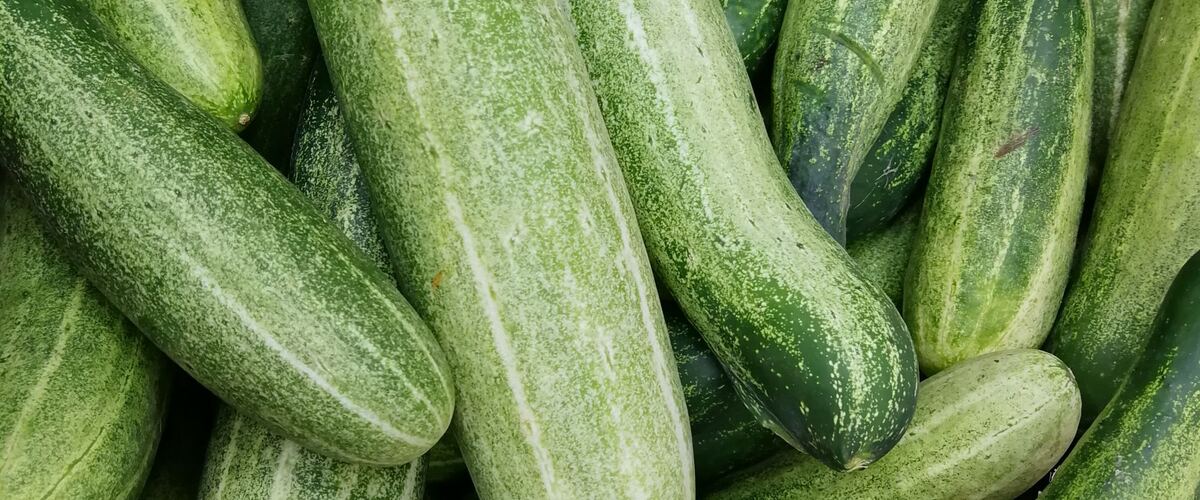
Cucumbers are vining squash-family plants grown for crisp fruit eaten raw in salads or brined into pickles. Slicing cucumbers are long and smooth, pickling types are short and bumpy, and thin-skinned English and Middle Eastern types need no peeling. Bitter cucumbers come from stress: heat or dry soil builds up bitter compounds in the fruit.
Puts cucumbers on your free plan, with dates for your town and a spot in your beds.
- Difficulty
- Moderate
- Sun
- Full sun
- Spacing
- 12 inches apart on a trellis
- Planting depth
- 1 inch deep
- Frost
- Killed by frost
- First harvest
- About 60 days after planting
Need warm soil and warm nights. Floating row cover helps in cool springs.
Cucumber planting dates
| Towns | Start seeds indoors | Plant in the garden |
|---|---|---|
| Portland, OR, Seattle and Tacoma, WA | Apr 17–24 | May 15 – Jun 12 |
| Spokane, WA, Astoria, OR | Apr 22–29 | May 20 – Jun 17 |
| Boise and Meridian, ID | Apr 3–10 | May 1–29 |
| Bend and Redmond, OR | May 12–19 | Jun 9 – Jul 7 |
Dates for six main cities. For any of the other 80 towns, type it in the box at the top of the page or browse all towns.
| Gresham, OR, Hillsboro and Beaverton, OR, Oregon City and West Linn, OR, Portland, OR, St. Helens and Scappoose, OR, Wilsonville and Canby, OR | Apr 17–24 | May 15 – Jun 12 |
|---|
| Corvallis and Albany, OR, Cottage Grove, OR, Eugene, OR, McMinnville and Newberg, OR, Salem, OR | Apr 17–24 | May 15 – Jun 12 |
|---|
| Ashland and Talent, OR, Grants Pass, OR, Medford, OR, Roseburg, OR | Apr 17–24 | May 15 – Jun 12 |
|---|
| Astoria, OR, Brookings and Gold Beach, OR, Coos Bay and North Bend, OR, Newport and Lincoln City, OR, Tillamook, OR | Apr 22–29 | May 20 – Jun 17 |
|---|
| Bend and Redmond, OR, Klamath Falls, OR | May 12–19 | Jun 9 – Jul 7 |
|---|---|---|
| Burns, OR | May 14–21 | Jun 11 – Jul 9 |
| Lakeview, OR | May 7–14 | Jun 4 – Jul 2 |
| Madras, OR | Apr 27 – May 4 | May 25 – Jun 22 |
| Prineville, OR | May 4–11 | Jun 1–29 |
| Baker City, OR, Enterprise and Joseph, OR | Apr 27 – May 4 | May 25 – Jun 22 |
|---|---|---|
| Hermiston, OR, Hood River, OR, Ontario, OR, Pendleton, OR, The Dalles, OR | Apr 3–10 | May 1–29 |
| John Day, OR | Apr 30 – May 7 | May 28 – Jun 25 |
| La Grande, OR | Apr 22–29 | May 20 – Jun 17 |
| Bremerton and Port Orchard, WA, Everett, WA, Kent, Renton and Auburn, WA, Olympia, WA, Seattle and Tacoma, WA, Shelton, WA | Apr 17–24 | May 15 – Jun 12 |
|---|
| Anacortes, WA, Bellingham, WA, Friday Harbor and the San Juans, WA, Mount Vernon and Burlington, WA, Oak Harbor and Whidbey Island, WA | Apr 17–24 | May 15 – Jun 12 |
|---|
| Aberdeen and Hoquiam, WA, Forks, WA, Long Beach and Ilwaco, WA | Apr 22–29 | May 20 – Jun 17 |
|---|---|---|
| Port Angeles, WA, Port Townsend, WA, Sequim, WA | Apr 17–24 | May 15 – Jun 12 |
| Centralia and Chehalis, WA, Longview and Kelso, WA, Vancouver, WA | Apr 17–24 | May 15 – Jun 12 |
|---|
| Chelan, WA, Wenatchee, WA | Apr 3–10 | May 1–29 |
|---|---|---|
| Leavenworth, WA, Omak and Okanogan, WA, Winthrop and Twisp, WA | Apr 22–29 | May 20 – Jun 17 |
| Ellensburg, WA, Goldendale, WA | Apr 22–29 | May 20 – Jun 17 |
|---|---|---|
| Ephrata and Quincy, WA, Moses Lake, WA, Sunnyside, Grandview and Prosser, WA, Tri-Cities (Pasco, Kennewick, Richland), WA, Walla Walla, WA | Apr 3–10 | May 1–29 |
| Yakima, WA | Apr 10–17 | May 8 – Jun 5 |
| Colville, WA, Pullman, WA, Spokane, WA | Apr 22–29 | May 20 – Jun 17 |
|---|
| Bonners Ferry, ID, Coeur d'Alene and Post Falls, ID, Sandpoint, ID | Apr 22–29 | May 20 – Jun 17 |
|---|
| Lewiston, ID | Apr 3–10 | May 1–29 |
|---|---|---|
| Moscow, ID | Apr 22–29 | May 20 – Jun 17 |
| Boise and Meridian, ID, Emmett, ID, Nampa and Caldwell, ID | Apr 3–10 | May 1–29 |
|---|---|---|
| McCall, ID | May 25 – Jun 1 | Jun 22 – Jul 20 |
| Burley and Rupert, ID, Idaho Falls, ID, Pocatello, ID, Rexburg, ID, Twin Falls, ID | Apr 22–29 | May 20 – Jun 17 |
|---|---|---|
| Salmon, ID | Apr 27 – May 4 | May 25 – Jun 22 |
Cucumber year at a glance
| Task | J | F | M | A | M | J | J | A | S | O | N | D |
|---|---|---|---|---|---|---|---|---|---|---|---|---|
| Start indoors | Apr | |||||||||||
| Plant | May | Jun | ||||||||||
| Harvest | Jul | Aug | Sep |
Around Portland. Colder towns, especially east of the Cascades, run a few weeks later; the table above has your town's planting dates.
How to grow cucumbers
- Start seeds indoors on your city's dates in trays or small pots under a grow light or in your sunniest window. Or skip this step and buy young plants (starts) at a garden center.
- Harden off the young plants: about a week before planting, set them outside for a few hours a day, a little longer each day.
- Plant them in the garden on your city's dates, 12 inches apart on a trellis. If you plant seeds instead, sow them 1 inch deep.
- Water deeply once or twice a week rather than a little every day, and mulch once the soil is warm.
- Harvest: Pick slicers at 6 to 8 inches, before they yellow. Check plants every day or two in midsummer.
Growing cucumbers in your part of the Northwest
The same plant behaves differently on the wet west side, the foggy coast and the dry, colder east side.
West-side valleys
Willamette Valley, Puget Sound, southern Oregon
Cucumbers sulk in cold soil, so plant them out in late May or early June. Powdery mildew often shows up in August; resistant varieties help.
Coast
Oregon and Washington coast
Cool summers make cucumbers slow. Grow them in a greenhouse, cold frame or sunny, sheltered spot, or choose quick, cool-tolerant varieties.
East of the Cascades
Columbia Basin, Yakima, Boise, Spokane, north Idaho
Heat suits cucumbers, but they need deep, steady water or the fruit turns bitter and misshapen. Spider mites can build up in hot, dry weather.
High desert and mountain towns
Central Oregon, high eastern Oregon valleys, McCall, Salmon
Cool nights slow cucumbers down. Start them indoors or under cover, and plant after frost danger passes.
More cucumber varieties
More widely sold picks that do well somewhere in the Northwest. The tag says which part of the Northwest suits each one best.
Marketmore 76
Straight, dark green slicers about 8 inches long. It resists several cucumber diseases, including powdery mildew and scab, and keeps producing over a long season.
Both sides
Lemon
Round, pale yellow fruits the size of a lemon with mild, sweet flesh. Pick them while still light yellow for the best texture.
Both sides
Diva
Smooth, thin-skinned cucumbers that are seedless and never bitter. Plants set fruit without pollination, which helps in cool, cloudy spells when bees are scarce.
Coast and west side
Straight Eight
A classic open-pollinated slicer with straight, uniform fruit about 8 inches long. Early, productive and easy to save seed from.
Both sides
Boston Pickling
Short, blocky, bumpy fruits that are ideal for pickles. Vines produce heavily over a few weeks, which suits canning batches.
Both sides
Suyo Long
Long, ribbed, sweet and mild fruits that grow straight when trellised. It tolerates heat and some disease and is rarely bitter.
Both sides
How much to grow
How many to plant
For a family of four, 2 to 4 plants for salads. Plant 6 to 8 if you want to make pickles.
What to expect
About 10 to 20 cucumbers per plant over the season.
Storing the harvest
Keep about a week in the fridge's warmest part; below about 50°F they go soft and pitted.
What to plant after cucumbers
Around Portland, the cucumber harvest wraps up around September. These crops can still go into the same bed, and they come from a different plant family, which helps with rotation.
- Mâche Aug 13 – Sep 17
- Spinach Aug 20 – Sep 10
- Mustard greens Aug 20 – Sep 10
- Cilantro Aug 27 – Sep 10
- Arugula Aug 27 – Sep 17
- Radishes Sep 3–17
- Garlic Oct 1 – Nov 15
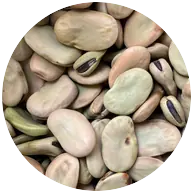
- Fava beans Oct 1–31
 Mâche
 Spinach
 Mustard greens
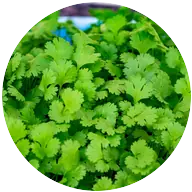 Cilantro
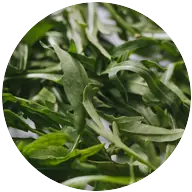 Arugula
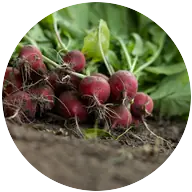 Radishes
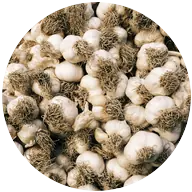 Garlic
 Fava beans
Portland dates. Pick your town at the top of the page for yours.
Key numbers
- 60°F+Soil to sprout
- Below 50°FChill damage
- About 95% waterFruit is
- 6.0–7.0Soil pH
- 6–8 inchesPick slicers at
- 50–55°FStore
Top care tip: Water at the base, not over the leaves, and pick often, because one overgrown cucumber slows the whole vine.
The plant science
The plant biology behind the advice above, in plain language.
Warmth is everything
Cucumbers are a tropical crop. Seeds need soil of at least 60°F to sprout and do best much warmer, and long spells below about 50°F damage plants. In much of the Northwest, transplants or seeds go out only once nights are reliably warm. Black plastic mulch, a south-facing spot and row cover early in the season help.
Flowers and fruit set
Most cucumbers make separate male and female flowers, and bees carry pollen between them. Fruit from poorly pollinated flowers grows misshapen, narrow or curled at one end.
Some modern varieties set fruit with no pollination at all. These parthenocarpic varieties, such as Diva, produce seedless fruit and are a smart choice for greenhouses and for cool, cloudy summers when bees are scarce. Other hybrids are mostly female and come with a few marked seeds of a pollinator variety; plant those too.
Water and bitterness
Cucumbers are about 95 percent water, so they need steady moisture, about an inch a week, more in hot weather. Bitter cucumbers come from natural compounds called cucurbitacins, which increase when plants are stressed by heat, drought or uneven watering. The bitterness concentrates near the stem end and in the skin. Even watering prevents most of it, and burpless varieties are bred to be low in these compounds.
Soil and disease
Grow them in rich, well-drained soil with a pH of about 6.0 to 7.0. Trellising keeps fruit clean and straight and improves airflow, which slows powdery mildew in late summer. Resistant varieties like Marketmore 76 hold up longer. Slugs are the main threat to seedlings here.
Harvest and storage
Pick slicers at 6 to 8 inches and picklers at 2 to 4, checking every day or two. Leaving a mature, yellowing cucumber on the vine signals the plant to stop setting new ones. Cucumbers are chill-sensitive, so they keep best around 50 to 55°F; in the fridge, use them within a few days before they soften and pit.
Good neighbors and crop rotation
Good neighbors
- Dill. Grows alongside and is ready when you're pickling.
- Bush beans and lettuce. Grow beneath a trellised cucumber vine.
Squash family: Move squash, pumpkins, cucumbers and melons to a new bed each year and return every three years, so soil-borne wilts and root rots don't build up. Clear and compost (or bin) mildewed vines in fall.
Pests and problems
What most often goes wrong with cucumbers in Northwest gardens, how to spot it and what to do.
Powdery mildew
Signs: White powder on the leaves from late summer.
What to do: Choose resistant varieties, trellis the vines and water at the base.
Cucumber beetles
Signs: Yellow-and-black beetles chewing leaves and flowers.
What to do: Row cover until flowering, then remove it for bees.
Bitter or misshapen fruit
Signs: Bitter skin, or fruit that's fat at one end.
What to do: Water deeply and evenly, and give bees access to the flowers.
Common questions about growing cucumbers
When should I plant cucumbers in Oregon, Washington and Idaho?
Plant in the garden: May 15 – Jun 12 in Portland and Seattle, May 20 – Jun 17 in Spokane, May 1–29 in Boise and Jun 9 – Jul 7 in Bend. Pick your town at the top of the page for your own dates.
Why are my cucumbers bitter?
Bitterness comes from natural compounds called cucurbitacins, which build up when plants are stressed by heat, drought or uneven watering. Water deeply and regularly, and try burpless varieties. Peeling and trimming the stem end removes most of it.
Why are my cucumbers curled or misshapen?
Usually incomplete pollination, often in cool or cloudy weather when bees aren't active. Uneven watering contributes too. Parthenocarpic varieties, which set fruit without pollination, avoid the problem.
Can I grow cucumbers in a cool summer?
Yes. Wait for warm soil, use black plastic mulch and row cover early, trellis the vines in your sunniest spot, and choose parthenocarpic or fast-maturing varieties. A greenhouse or hoop house makes them very reliable.
See what else to plant in April, May or June.
 Zucchini and summer squash
 Winter squash
 Pumpkins
 Melons