
Oregon · Washington · Idaho
When to plant fava beans
Plant in the garden: Portland and Seattle Mar 1 – Apr 5; Spokane Apr 1 – May 6; Boise Mar 20 – Apr 24; Bend Apr 28 – Jun 2.
Your dates in
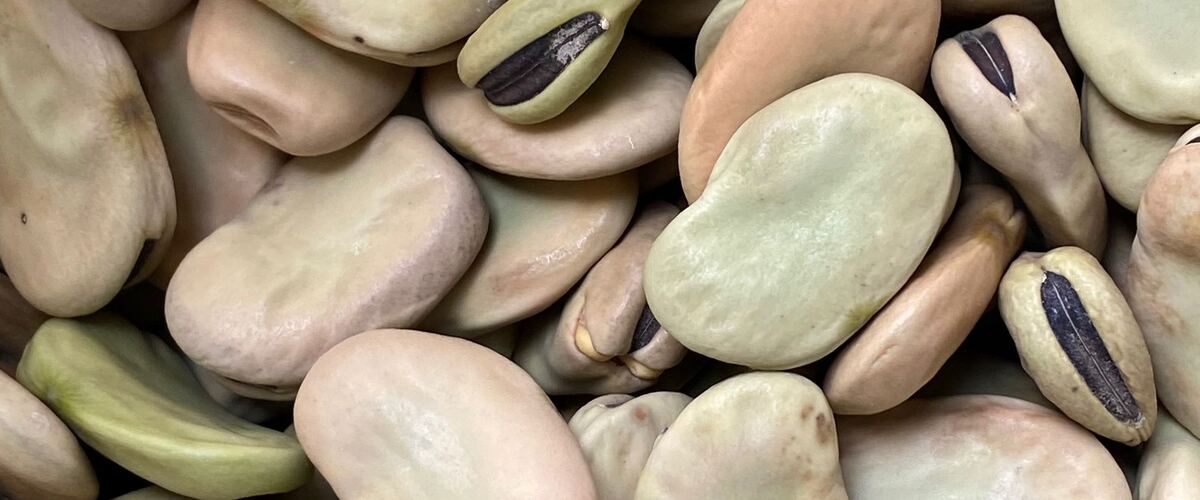
Fava beans, also called broad beans, are upright, cool-season beans grown for big, buttery seeds in thick pods; young beans are shelled, often slipped out of their skins too, and cooked. Gardeners also grow them as a winter cover crop, since their roots add nitrogen to the soil. A small share of people, often of Mediterranean, Middle Eastern or African descent, have an inherited condition (G6PD deficiency) that makes eating favas dangerous.
Puts fava beans on your free plan, with dates for your town and a spot in your beds.
- Difficulty
- Easy
- Sun
- Full sun
- Spacing
- 6 inches apart
- Planting depth
- 1 to 2 inches deep
- Frost
- Handles light frost
- First harvest
- About 85 days after planting
Unlike other beans, favas love cool weather. West of the Cascades they can also be sown in October to overwinter for an early crop.
Fava bean planting dates
| Towns | Plant in the garden | Sow to overwinter |
|---|---|---|
| Portland, OR, Seattle and Tacoma, WA | Mar 1 – Apr 5 | Oct 1–31 |
| Spokane, WA | Apr 1 – May 6 | — |
| Boise and Meridian, ID | Mar 20 – Apr 24 | — |
| Bend and Redmond, OR | Apr 28 – Jun 2 | — |
| Astoria, OR | Mar 25 – Apr 29 | Oct 1–31 |
Dates for six main cities. For any of the other 80 towns, type it in the box at the top of the page or browse all towns.
| Gresham, OR, Oregon City and West Linn, OR, Portland, OR, St. Helens and Scappoose, OR, Wilsonville and Canby, OR | Mar 1 – Apr 5 | Oct 1–31 |
|---|---|---|
| Hillsboro and Beaverton, OR | Mar 5 – Apr 9 | Oct 1–31 |
| Corvallis and Albany, OR, Eugene, OR, Salem, OR | Mar 1 – Apr 5 | Oct 1–31 |
|---|---|---|
| Cottage Grove, OR | Mar 13 – Apr 17 | Oct 1–31 |
| McMinnville and Newberg, OR | Mar 4 – Apr 8 | Oct 1–31 |
| Ashland and Talent, OR | Mar 25 – Apr 29 | Oct 1–31 |
|---|---|---|
| Grants Pass, OR, Medford, OR, Roseburg, OR | Mar 1 – Apr 5 | Oct 1–31 |
| Astoria, OR, Brookings and Gold Beach, OR, Coos Bay and North Bend, OR, Newport and Lincoln City, OR, Tillamook, OR | Mar 25 – Apr 29 | Oct 1–31 |
|---|
| Bend and Redmond, OR, Klamath Falls, OR | Apr 28 – Jun 2 | — |
|---|---|---|
| Burns, OR | Apr 30 – Jun 4 | — |
| Lakeview, OR | Apr 23 – May 28 | — |
| Madras, OR, Prineville, OR | Apr 20 – May 25 | — |
| Baker City, OR, Enterprise and Joseph, OR, John Day, OR | Apr 20 – May 25 | — |
|---|---|---|
| Hermiston, OR, Hood River, OR, Ontario, OR, Pendleton, OR, The Dalles, OR | Mar 20 – Apr 24 | — |
| La Grande, OR | Apr 1 – May 6 | — |
| Bremerton and Port Orchard, WA, Everett, WA, Kent, Renton and Auburn, WA, Seattle and Tacoma, WA | Mar 1 – Apr 5 | Oct 1–31 |
|---|---|---|
| Olympia, WA | Mar 18 – Apr 22 | Oct 1–31 |
| Shelton, WA | Mar 16 – Apr 20 | Oct 1–31 |
| Anacortes, WA, Bellingham, WA, Friday Harbor and the San Juans, WA, Mount Vernon and Burlington, WA, Oak Harbor and Whidbey Island, WA | Mar 1 – Apr 5 | Oct 1–31 |
|---|
| Aberdeen and Hoquiam, WA, Forks, WA, Long Beach and Ilwaco, WA | Mar 25 – Apr 29 | Oct 1–31 |
|---|---|---|
| Port Angeles, WA, Port Townsend, WA | Mar 1 – Apr 5 | Oct 1–31 |
| Sequim, WA | Mar 10 – Apr 14 | Oct 1–31 |
| Centralia and Chehalis, WA | Mar 11 – Apr 15 | Oct 1–31 |
|---|---|---|
| Longview and Kelso, WA, Vancouver, WA | Mar 1 – Apr 5 | Oct 1–31 |
| Chelan, WA, Wenatchee, WA | Mar 20 – Apr 24 | — |
|---|---|---|
| Leavenworth, WA, Omak and Okanogan, WA | Apr 1 – May 6 | — |
| Winthrop and Twisp, WA | Apr 3 – May 8 | — |
| Ellensburg, WA | Apr 1 – May 6 | — |
|---|---|---|
| Ephrata and Quincy, WA, Moses Lake, WA, Sunnyside, Grandview and Prosser, WA, Tri-Cities (Pasco, Kennewick, Richland), WA, Walla Walla, WA | Mar 20 – Apr 24 | — |
| Goldendale, WA | Apr 7 – May 12 | — |
| Yakima, WA | Mar 27 – May 1 | — |
| Colville, WA, Pullman, WA, Spokane, WA | Apr 1 – May 6 | — |
|---|
| Bonners Ferry, ID, Coeur d'Alene and Post Falls, ID, Sandpoint, ID | Apr 1 – May 6 | — |
|---|
| Lewiston, ID | Mar 20 – Apr 24 | — |
|---|---|---|
| Moscow, ID | Apr 1 – May 6 | — |
| Boise and Meridian, ID, Emmett, ID, Nampa and Caldwell, ID | Mar 20 – Apr 24 | — |
|---|---|---|
| McCall, ID | May 11 – Jun 15 | — |
| Burley and Rupert, ID, Idaho Falls, ID, Pocatello, ID, Rexburg, ID, Twin Falls, ID | Apr 1 – May 6 | — |
|---|---|---|
| Salmon, ID | Apr 20 – May 25 | — |
Fava bean year at a glance
| Task | J | F | M | A | M | J | J | A | S | O | N | D |
|---|---|---|---|---|---|---|---|---|---|---|---|---|
| Plant (spring or fall) | Mar | Apr | Oct | |||||||||
| Harvest | May | Jun |
Around Portland. Colder towns, especially east of the Cascades, run a few weeks later; the table above has your town's planting dates.
How to grow fava beans
- Prepare the bed: loosen the soil and mix in an inch or two of compost.
- Plant seeds on your city's dates, 1 to 2 inches deep, 6 inches apart.
- Keep the soil evenly moist until sprouts appear, which can take one to three weeks in cool soil.
- Plant again on your city's dates for a fall harvest.
- Harvest: Pick pods when they bulge with beans but are still green. Shell the beans and slip off the pale skins for the sweetest flavor.
Growing fava beans in your part of the Northwest
The same plant behaves differently on the wet west side, the foggy coast and the dry, colder east side.
West-side valleys
Willamette Valley, Puget Sound, southern Oregon
Fava beans sown in October usually survive the winter and give a crop in late spring, weeks ahead of spring-sown ones. They also make a good winter cover crop.
Coast
Oregon and Washington coast
Mild winters make fall-sown fava beans especially reliable on the coast.
East of the Cascades
Columbia Basin, Yakima, Boise, Spokane, north Idaho
Winters are usually too cold for fall sowing, so sow as early as possible in spring. Heat in early summer stops pods from setting.
High desert and mountain towns
Central Oregon, high eastern Oregon valleys, McCall, Salmon
Sow in early spring. Favas handle frost, but the plants slow down in hot, dry spells.
More fava bean varieties
More widely sold picks that do well somewhere in the Northwest. The tag says which part of the Northwest suits each one best.
Broad Windsor
The classic fava with large, flat beans, about three to five per pod. Sow as early in spring as the soil can be worked; it thrives in cool weather.
Both sides
Aquadulce Claudia
An old Spanish variety known for winter hardiness. Sown in fall west of the Cascades, it gives one of the earliest harvests of the year.
West side
Vroma
Upright plants with long pods packed with large green beans. A reliable producer from early spring sowings. Sow it as early in spring as the soil can be worked, since favas like cool weather.
Both sides
Sweet Lorane
Named for Lorane, Oregon, with small, sweet beans. Very cold hardy, it is popular as an overwintering cover crop that also yields good dry beans.
West side
How much to grow
How many to plant
For a family of four, about 20 to 30 plants. Fall plantings west of the Cascades are ready earliest.
What to expect
About ½ to 1 pound of shelled beans per plant.
Storing the harvest
Keep pods a week in the fridge. Shell, blanch, peel and freeze extras.
What to plant after fava beans
Around Portland, the fava bean harvest wraps up around June. These crops can still go into the same bed, and they come from a different plant family, which helps with rotation.
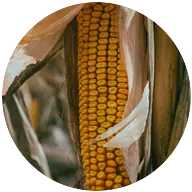
- Sweet corn May 10 – Jun 14
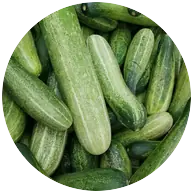
- Cucumbers May 15 – Jun 12
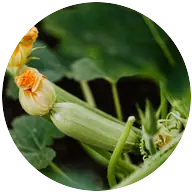
- Zucchini and summer squash May 15 – Jun 12
- Tomatoes May 15 – Jun 12
- Tomatillos May 15 – Jun 12
- Celery May 15 – Jun 19
- Ground cherries May 15 – Jun 12
- Peppers May 25 – Jun 15
 Sweet corn
 Cucumbers
 Zucchini and summer squash
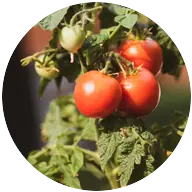 Tomatoes
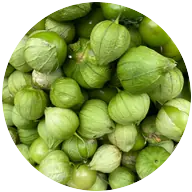 Tomatillos
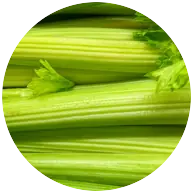 Celery
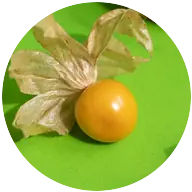 Ground cherries
 Peppers
Portland dates. Pick your town at the top of the page for yours.
Key numbers
Top care tip: Pinch off the top few inches of each plant once the lowest pods form to beat aphids and fill pods.
Growing notes
What makes the difference in Northwest gardens, in plain language.
A bean that likes cool weather
Unlike common beans, favas sprout in cool soil and grow best in mild weather, which suits Northwest springs perfectly. Sow as soon as the soil can be worked in late winter or early spring. Hot weather makes them stop flowering, so early sowing is the key to a good crop.
West of the Cascades, you can also sow hardy varieties like Aquadulce Claudia in October. They grow a little, sit through winter and take off early, giving the earliest harvest. In cold eastern areas, stick to spring sowing.
Soil and feeding
Favas aren't fussy. Any reasonably drained soil works, and like other beans they fix their own nitrogen, so skip the fertilizer. They're also grown as a cover crop for this reason: chopping the plants into the soil before they set seed adds organic matter and nitrogen.
Tall varieties can flop in wind and heavy rain. A string run along each side of the row, tied to stakes, keeps them upright.
Aphids and chocolate spot
Black bean aphids crowd onto the soft growing tips in late spring. Pinching off the top few inches once the lowest pods form removes most of them and pushes the plant's energy into the pods. The tips are tasty cooked like spinach.
Chocolate spot is a fungus that causes small brown spots on leaves during long wet spells. It's rarely serious on well-spaced plants in sun. Give rows room for airflow and don't crowd fall plantings.
Good neighbors and crop rotation
Good neighbors
- Lettuce and spinach. Grow in the gaps in early spring.
- Garlic. Overwinters in the next bed on the same schedule.
Pea and bean family: Rotate peas and beans every two or three years to keep root rots from building up. Their roots host bacteria that fix nitrogen, but most of it leaves in the pods and seeds, so they help the next crop only a little unless you dig the plants back in.
Pests and problems
What most often goes wrong with fava beans in Northwest gardens, how to spot it and what to do.
Black bean aphids
Signs: Black clusters on the growing tips in late spring.
What to do: Pinch off the tips once pods start forming.
Chocolate spot
Signs: Brown spots on the leaves in wet, mild weather.
What to do: Space plants for airflow; it's usually cosmetic.
A health note
Signs: Rarely, people with a genetic G6PD deficiency react badly to fava beans.
What to do: If anyone in your family has that condition, skip them.
Saving fava bean seed
Will it come true?
Bees often cross fava beans, so saved seed may not match the parent if more than one variety grows nearby. Grow a single variety if you want to save seed.
How to save it
Let pods turn black and dry on the plant, then shell the beans and dry them another week or two. Store dry seed in a labeled paper envelope in a cool, dry place.
Common questions about growing fava beans
When should I plant fava beans in Oregon, Washington and Idaho?
Plant in the garden: Mar 1 – Apr 5 in Portland and Seattle, Apr 1 – May 6 in Spokane, Mar 20 – Apr 24 in Boise and Apr 28 – Jun 2 in Bend. Pick your town at the top of the page for your own dates.
Can you plant fava beans in the fall?
Yes, west of the Cascades. Sow hardy types like Aquadulce Claudia in October for an early harvest the next spring. Very cold snaps can still damage them, so east of the mountains spring sowing is safer.
Do I have to peel fava beans?
Young, small beans can be eaten with their skins. Larger beans have a tough pale skin, so blanch them for a minute, cool them, and pinch the bright green bean out. It's extra work but makes them much sweeter.
Are fava beans safe for everyone?
Most people eat them without trouble. People with an inherited condition called G6PD deficiency can have a serious reaction to eating favas, and sometimes even to the pollen. If you or your family have that condition, skip this crop.
See what else to plant in March, April or October.
 Peas
 Bush beans
 Pole beans