
Oregon · Washington · Idaho
When to plant peppers
Plant in the garden: Portland and Seattle May 25 – Jun 15; Spokane May 30 – Jun 20; Boise May 10–31; Bend Jun 16 – Jul 7.
Your dates in
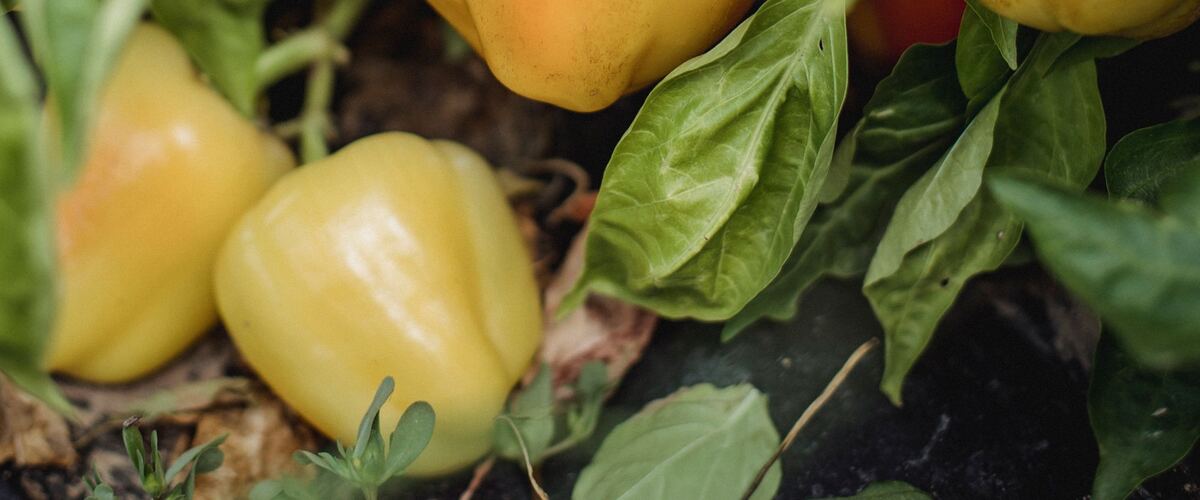
Peppers are nightshade-family plants, close relatives of tomatoes, grown for sweet bell and frying peppers or for hot chiles. Most start green and ripen to red, yellow, orange or brown, getting sweeter and richer as they color up. The heat in chiles comes from capsaicin, which is concentrated in the white ribs around the seeds.
Puts peppers on your free plan, with dates for your town and a spot in your beds.
- Difficulty
- Tricky here
- Sun
- Full sun; against a warm wall if possible
- Spacing
- 18 inches apart
- Planting depth
- Plant starts at the depth they grew in the pot
- Frost
- Killed by frost
- First harvest
- About 75 days after planting
Even more heat-hungry than tomatoes. A warm wall or black plastic mulch helps.
Pepper planting dates
| Towns | Start seeds indoors | Plant in the garden |
|---|---|---|
| Portland, OR, Seattle and Tacoma, WA | Mar 16–30 | May 25 – Jun 15 |
| Spokane, WA | Mar 21 – Apr 4 | May 30 – Jun 20 |
| Boise and Meridian, ID | Mar 1–15 | May 10–31 |
| Bend and Redmond, OR | Apr 7–21 | Jun 16 – Jul 7 |
| Astoria, OR | Mar 23 – Apr 6 | Jun 1–22 |
Dates for six main cities. For any of the other 80 towns, type it in the box at the top of the page or browse all towns.
| Gresham, OR, Hillsboro and Beaverton, OR, Oregon City and West Linn, OR, Portland, OR, St. Helens and Scappoose, OR, Wilsonville and Canby, OR | Mar 16–30 | May 25 – Jun 15 |
|---|
| Corvallis and Albany, OR, Cottage Grove, OR, Eugene, OR, McMinnville and Newberg, OR, Salem, OR | Mar 16–30 | May 25 – Jun 15 |
|---|
| Ashland and Talent, OR, Grants Pass, OR, Medford, OR, Roseburg, OR | Mar 16–30 | May 25 – Jun 15 |
|---|
| Astoria, OR, Brookings and Gold Beach, OR, Coos Bay and North Bend, OR, Newport and Lincoln City, OR, Tillamook, OR | Mar 23 – Apr 6 | Jun 1–22 |
|---|
| Bend and Redmond, OR, Klamath Falls, OR | Apr 7–21 | Jun 16 – Jul 7 |
|---|---|---|
| Burns, OR | Apr 9–23 | Jun 18 – Jul 9 |
| Lakeview, OR | Apr 2–16 | Jun 11 – Jul 2 |
| Madras, OR | Mar 27 – Apr 10 | Jun 5–26 |
| Prineville, OR | Mar 30 – Apr 13 | Jun 8–29 |
| Baker City, OR, Enterprise and Joseph, OR, John Day, OR | Mar 27 – Apr 10 | Jun 5–26 |
|---|---|---|
| Hermiston, OR, Hood River, OR, Ontario, OR, Pendleton, OR, The Dalles, OR | Mar 1–15 | May 10–31 |
| La Grande, OR | Mar 21 – Apr 4 | May 30 – Jun 20 |
| Bremerton and Port Orchard, WA, Everett, WA, Kent, Renton and Auburn, WA, Olympia, WA, Seattle and Tacoma, WA, Shelton, WA | Mar 16–30 | May 25 – Jun 15 |
|---|
| Anacortes, WA, Bellingham, WA, Friday Harbor and the San Juans, WA, Mount Vernon and Burlington, WA, Oak Harbor and Whidbey Island, WA | Mar 16–30 | May 25 – Jun 15 |
|---|
| Aberdeen and Hoquiam, WA, Forks, WA, Long Beach and Ilwaco, WA | Mar 23 – Apr 6 | Jun 1–22 |
|---|---|---|
| Port Angeles, WA, Port Townsend, WA, Sequim, WA | Mar 16–30 | May 25 – Jun 15 |
| Centralia and Chehalis, WA, Longview and Kelso, WA, Vancouver, WA | Mar 16–30 | May 25 – Jun 15 |
|---|
| Chelan, WA, Wenatchee, WA | Mar 1–15 | May 10–31 |
|---|---|---|
| Leavenworth, WA, Omak and Okanogan, WA, Winthrop and Twisp, WA | Mar 21 – Apr 4 | May 30 – Jun 20 |
| Ellensburg, WA, Goldendale, WA | Mar 21 – Apr 4 | May 30 – Jun 20 |
|---|---|---|
| Ephrata and Quincy, WA, Moses Lake, WA, Sunnyside, Grandview and Prosser, WA, Tri-Cities (Pasco, Kennewick, Richland), WA, Walla Walla, WA | Mar 1–15 | May 10–31 |
| Yakima, WA | Mar 6–20 | May 15 – Jun 5 |
| Colville, WA, Pullman, WA, Spokane, WA | Mar 21 – Apr 4 | May 30 – Jun 20 |
|---|
| Bonners Ferry, ID, Coeur d'Alene and Post Falls, ID, Sandpoint, ID | Mar 21 – Apr 4 | May 30 – Jun 20 |
|---|
| Lewiston, ID | Mar 1–15 | May 10–31 |
|---|---|---|
| Moscow, ID | Mar 21 – Apr 4 | May 30 – Jun 20 |
| Boise and Meridian, ID, Emmett, ID, Nampa and Caldwell, ID | Mar 1–15 | May 10–31 |
|---|---|---|
| McCall, ID | Apr 20 – May 4 | Jun 29 – Jul 20 |
| Burley and Rupert, ID, Idaho Falls, ID, Pocatello, ID, Rexburg, ID, Twin Falls, ID | Mar 21 – Apr 4 | May 30 – Jun 20 |
|---|---|---|
| Salmon, ID | Mar 27 – Apr 10 | Jun 5–26 |
Pepper year at a glance
| Task | J | F | M | A | M | J | J | A | S | O | N | D |
|---|---|---|---|---|---|---|---|---|---|---|---|---|
| Start indoors | Mar | |||||||||||
| Plant | May | Jun | ||||||||||
| Harvest | Aug | Sep | Oct |
Around Portland. Colder towns, especially east of the Cascades, run a few weeks later; the table above has your town's planting dates.
How to grow peppers
- Start seeds indoors on your city's dates in trays or small pots under a grow light or in your sunniest window. Or skip this step and buy young plants (starts) at a garden center.
- Harden off the young plants: about a week before planting, set them outside for a few hours a day, a little longer each day.
- Plant them in the garden on your city's dates, 18 inches apart. Plant starts at the depth they grew in the pot.
- Water deeply once or twice a week rather than a little every day, and mulch once the soil is warm.
- Harvest: Pick green any time once full size, or leave them to ripen red, which can take three more weeks.
Growing peppers in your part of the Northwest
The same plant behaves differently on the wet west side, the foggy coast and the dry, colder east side.
West-side valleys
Willamette Valley, Puget Sound, southern Oregon
Peppers need warmth, so wait until nights stay above 50°F, usually early June. Black plastic, a sunny wall or a hoop house helps fruit ripen.
Coast
Oregon and Washington coast
Peppers are tough outdoors on the coast. Grow them in a greenhouse or large pots in the warmest spot you have.
East of the Cascades
Columbia Basin, Yakima, Boise, Spokane, north Idaho
Peppers grow well in the heat. Fruit can get sunscald in intense afternoon sun, so let leaves shade it or use light shade cloth.
High desert and mountain towns
Central Oregon, high eastern Oregon valleys, McCall, Salmon
Peppers need protection from cold nights. Use wall-o-water or row cover, and choose quick-maturing varieties.
More pepper varieties
More widely sold picks that do well somewhere in the Northwest. The tag says which part of the Northwest suits each one best.
Gypsy
Tapered, thin-walled sweet peppers that ripen from pale yellow to orange-red. Early and productive, it is one of the most reliable sweet peppers in cool summers.
Coast and west side
Ace
Medium bell peppers on compact plants that set fruit well even in cool weather. One of the best bets for a bell pepper crop where summers are short.
Short seasons
Early Jalapeño
Classic thick-walled jalapeños on plants that set fruit in cooler conditions than standard jalapeños. Pick green or let them ripen red.
Short seasons
Lunchbox snacking peppers
Small, very sweet peppers in red, orange and yellow, eaten whole like snacks. Plants are productive and the small fruits ripen to full color more easily than big bells.
Both sides
Shishito
Thin-walled, wrinkled green peppers, best blistered in a hot pan. Plants are heavy producers and set fruit reliably; only an occasional pepper is hot.
Both sides
Carmen
Long, tapered peppers that ripen early to a deep red with sweet, fruity flavor. Great for roasting, grilling and fresh eating.
Both sides
How much to grow
How many to plant
For a family of four, about 6 to 10 sweet pepper plants and 2 or 3 hot ones.
What to expect
About 5 to 10 bell peppers per plant in the Northwest, or many more of the small hot types.
Storing the harvest
Keep a week or two in the fridge. Freeze chopped, or dry hot peppers on a string.
What to plant after peppers
Around Portland, the pepper harvest wraps up around October. These crops can still go into the same bed, and they come from a different plant family, which helps with rotation.
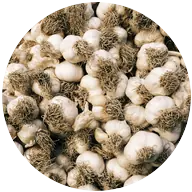 Garlic
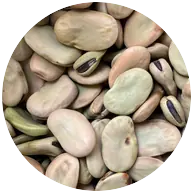 Fava beans
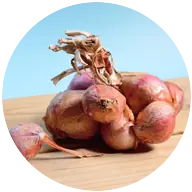 Shallots
Portland dates. Pick your town at the top of the page for yours.
Key numbers
- 75–85°FSoil to sprout
- Nights stay above 55°FPlant out when
- 6.0–6.8Soil pH
- Cool nightsBiggest risk
Top care tip: Wait for warm nights to plant, then mulch and water evenly so the soil never fully dries out.
Growing notes
What makes the difference in Northwest gardens, in plain language.
Soil and feeding
Peppers like warm, well-drained soil with compost worked in and a pH of about 6.0 to 6.8. Use a balanced fertilizer and go light on nitrogen, which grows leafy plants with few peppers. A modest feeding when the first fruit sets keeps them going. Water deeply and evenly, about an inch a week, since dry spells can cause blossom-end rot on peppers just as on tomatoes. Wait to add straw mulch until summer, because it keeps cool soil cool.
Why warmth decides everything
Peppers barely grow when nights drop below about 55°F, and transplants set out into cold May soil can sit still for weeks. Flowers also tend to drop off when nights are cool or days are very hot. West of the Cascades, black plastic mulch to warm the soil, row cover for the first weeks, and a spot against a south-facing wall make a big difference. Early, smaller-fruited varieties like Gypsy, Ace, Early Jalapeño and Lunchbox snacking peppers ripen in a short, mild summer. East of the Cascades, heat is plentiful, but midsummer sun can scald exposed fruit, so leafy plants help.
Harvest and color
Every pepper starts green and changes color as it ripens. Green peppers are simply unripe, which is why red, yellow and orange ones are sweeter. In the Northwest, full color can take weeks, so pick some green to keep plants producing and leave others to ripen. When fall rain or frost threatens, pick everything full size. Peppers keep about a week or two in the fridge, and extras freeze well chopped with no blanching needed.
Good neighbors and crop rotation
Good neighbors
- Basil. Same warm, sunny needs and planting date.
- Onions. Narrow plants that fit around peppers without shading.
Tomato family: Tomatoes, potatoes, peppers, eggplant, tomatillos and ground cherries are all one family. Keep them out of the same bed for three years: early blight survives on old plant debris and verticillium wilt lives in the soil. Dig up volunteer potatoes, which can carry late blight over winter.
Pests and problems
What most often goes wrong with peppers in Northwest gardens, how to spot it and what to do.
Cool nights
Signs: Plants sit still and drop flowers.
What to do: Plant late, use black plastic mulch and row cover early, and grow early varieties.
Aphids
Signs: Clusters under leaves and on new growth.
What to do: Hose them off; beneficial insects usually follow.
Slugs
Signs: Holes in the leaves and in fruit near the ground.
What to do: Slug bait and lifting low fruit off the soil.
Saving pepper seed
Will it come true?
Open-pollinated peppers come true, but bees can cross varieties growing near each other, including hot and sweet ones. If you want pure seed, grow one variety or cover a few flower buds with a mesh bag until fruit sets. Hybrids (F1) won't come true.
How to save it
Let a fruit ripen fully to its final color, then scrape out the seeds and dry them on a plate for a week or two. Wear gloves with hot peppers. Store dry seed in a labeled paper envelope in a cool, dry place.
Common questions about growing peppers
When should I plant peppers in Oregon, Washington and Idaho?
Plant in the garden: May 25 – Jun 15 in Portland and Seattle, May 30 – Jun 20 in Spokane, May 10–31 in Boise and Jun 16 – Jul 7 in Bend. Pick your town at the top of the page for your own dates.
Why are my pepper plants not growing?
Cold soil and cool nights are the most common reason in the Northwest. Peppers stall until nights stay above about 55°F. Black plastic mulch and row cover help, and plants usually take off once summer warmth arrives.
Why are my pepper flowers falling off?
Flowers drop when nights are too cool or days are very hot, and also when plants are dry. It usually stops on its own when the weather evens out. Keep watering steady and avoid heavy nitrogen.
How long does it take for green peppers to turn red?
Often about three more weeks after they reach full size, and longer in cool weather. Warmth speeds it up. Near the end of the season, pick peppers with some color and they'll often finish ripening on the counter.
See what else to plant in March, May or June.
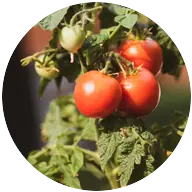 Tomatoes
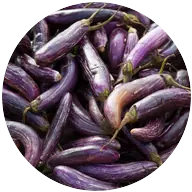 Eggplant
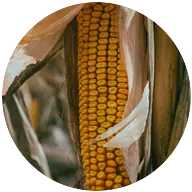 Sweet corn
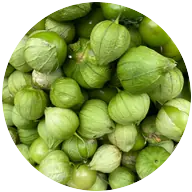 Tomatillos
 Ground cherries