
Oregon · Washington · Idaho
When to plant zucchini and summer squash
Plant in the garden: Portland and Seattle May 15 – Jun 12; Spokane May 20 – Jun 17; Boise May 1–29; Bend Jun 9 – Jul 7.
Your dates in
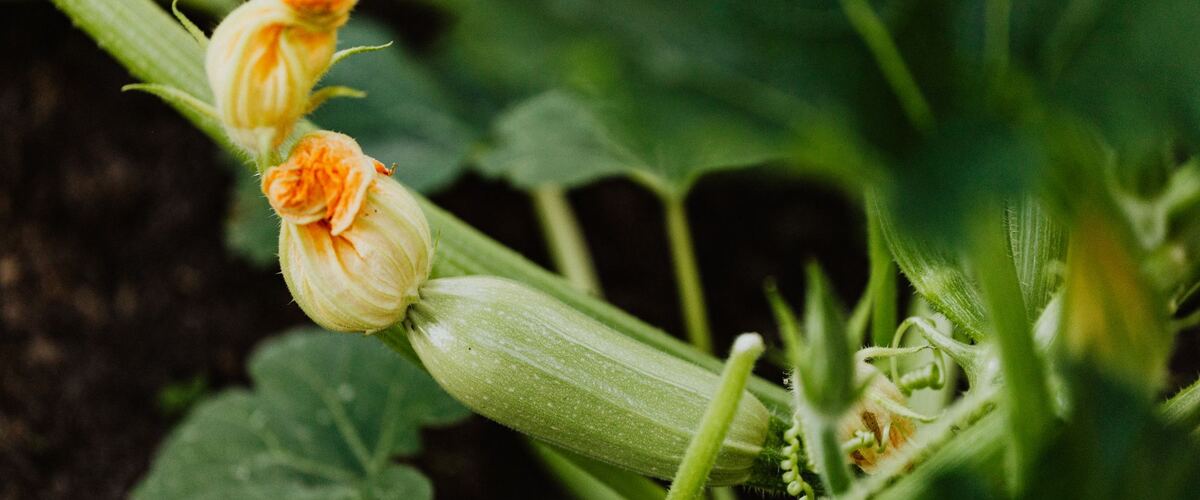
Zucchini and other summer squash are bushy squash-family plants picked young, while the skin is soft and the seeds tiny, for grilling, sautéing and baking into bread. Besides green zucchini there are yellow crookneck and straightneck squash and flying-saucer-shaped pattypans. The big yellow flowers are edible too, often stuffed and fried.
Puts zucchini and summer squash on your free plan, with dates for your town and a spot in your beds.
- Difficulty
- Easy
- Sun
- Full sun
- Spacing
- 3 feet apart
- Planting depth
- 1 inch deep
- Frost
- Killed by frost
- First harvest
- About 55 days after planting
Two plants feed most families. Pick fruit small and often.
Zucchini and summer squash planting dates
| Towns | Start seeds indoors | Plant in the garden |
|---|---|---|
| Portland, OR, Seattle and Tacoma, WA | Apr 17–24 | May 15 – Jun 12 |
| Spokane, WA, Astoria, OR | Apr 22–29 | May 20 – Jun 17 |
| Boise and Meridian, ID | Apr 3–10 | May 1–29 |
| Bend and Redmond, OR | May 12–19 | Jun 9 – Jul 7 |
Dates for six main cities. For any of the other 80 towns, type it in the box at the top of the page or browse all towns.
| Gresham, OR, Hillsboro and Beaverton, OR, Oregon City and West Linn, OR, Portland, OR, St. Helens and Scappoose, OR, Wilsonville and Canby, OR | Apr 17–24 | May 15 – Jun 12 |
|---|
| Corvallis and Albany, OR, Cottage Grove, OR, Eugene, OR, McMinnville and Newberg, OR, Salem, OR | Apr 17–24 | May 15 – Jun 12 |
|---|
| Ashland and Talent, OR, Grants Pass, OR, Medford, OR, Roseburg, OR | Apr 17–24 | May 15 – Jun 12 |
|---|
| Astoria, OR, Brookings and Gold Beach, OR, Coos Bay and North Bend, OR, Newport and Lincoln City, OR, Tillamook, OR | Apr 22–29 | May 20 – Jun 17 |
|---|
| Bend and Redmond, OR, Klamath Falls, OR | May 12–19 | Jun 9 – Jul 7 |
|---|---|---|
| Burns, OR | May 14–21 | Jun 11 – Jul 9 |
| Lakeview, OR | May 7–14 | Jun 4 – Jul 2 |
| Madras, OR | Apr 27 – May 4 | May 25 – Jun 22 |
| Prineville, OR | May 4–11 | Jun 1–29 |
| Baker City, OR, Enterprise and Joseph, OR | Apr 27 – May 4 | May 25 – Jun 22 |
|---|---|---|
| Hermiston, OR, Hood River, OR, Ontario, OR, Pendleton, OR, The Dalles, OR | Apr 3–10 | May 1–29 |
| John Day, OR | Apr 30 – May 7 | May 28 – Jun 25 |
| La Grande, OR | Apr 22–29 | May 20 – Jun 17 |
| Bremerton and Port Orchard, WA, Everett, WA, Kent, Renton and Auburn, WA, Olympia, WA, Seattle and Tacoma, WA, Shelton, WA | Apr 17–24 | May 15 – Jun 12 |
|---|
| Anacortes, WA, Bellingham, WA, Friday Harbor and the San Juans, WA, Mount Vernon and Burlington, WA, Oak Harbor and Whidbey Island, WA | Apr 17–24 | May 15 – Jun 12 |
|---|
| Aberdeen and Hoquiam, WA, Forks, WA, Long Beach and Ilwaco, WA | Apr 22–29 | May 20 – Jun 17 |
|---|---|---|
| Port Angeles, WA, Port Townsend, WA, Sequim, WA | Apr 17–24 | May 15 – Jun 12 |
| Centralia and Chehalis, WA, Longview and Kelso, WA, Vancouver, WA | Apr 17–24 | May 15 – Jun 12 |
|---|
| Chelan, WA, Wenatchee, WA | Apr 3–10 | May 1–29 |
|---|---|---|
| Leavenworth, WA, Omak and Okanogan, WA, Winthrop and Twisp, WA | Apr 22–29 | May 20 – Jun 17 |
| Ellensburg, WA, Goldendale, WA | Apr 22–29 | May 20 – Jun 17 |
|---|---|---|
| Ephrata and Quincy, WA, Moses Lake, WA, Sunnyside, Grandview and Prosser, WA, Tri-Cities (Pasco, Kennewick, Richland), WA, Walla Walla, WA | Apr 3–10 | May 1–29 |
| Yakima, WA | Apr 10–17 | May 8 – Jun 5 |
| Colville, WA, Pullman, WA, Spokane, WA | Apr 22–29 | May 20 – Jun 17 |
|---|
| Bonners Ferry, ID, Coeur d'Alene and Post Falls, ID, Sandpoint, ID | Apr 22–29 | May 20 – Jun 17 |
|---|
| Lewiston, ID | Apr 3–10 | May 1–29 |
|---|---|---|
| Moscow, ID | Apr 22–29 | May 20 – Jun 17 |
| Boise and Meridian, ID, Emmett, ID, Nampa and Caldwell, ID | Apr 3–10 | May 1–29 |
|---|---|---|
| McCall, ID | May 25 – Jun 1 | Jun 22 – Jul 20 |
| Burley and Rupert, ID, Idaho Falls, ID, Pocatello, ID, Rexburg, ID, Twin Falls, ID | Apr 22–29 | May 20 – Jun 17 |
|---|---|---|
| Salmon, ID | Apr 27 – May 4 | May 25 – Jun 22 |
Zucchini and summer squash year at a glance
| Task | J | F | M | A | M | J | J | A | S | O | N | D |
|---|---|---|---|---|---|---|---|---|---|---|---|---|
| Start indoors | Apr | |||||||||||
| Plant | May | Jun | ||||||||||
| Harvest | Jul | Aug | Sep |
Around Portland. Colder towns, especially east of the Cascades, run a few weeks later; the table above has your town's planting dates.
How to grow zucchini and summer squash
- Start seeds indoors on your city's dates in trays or small pots under a grow light or in your sunniest window. Or skip this step and buy young plants (starts) at a garden center.
- Harden off the young plants: about a week before planting, set them outside for a few hours a day, a little longer each day.
- Plant them in the garden on your city's dates, 3 feet apart. If you plant seeds instead, sow them 1 inch deep.
- Water deeply once or twice a week rather than a little every day, and mulch once the soil is warm.
- Harvest: Pick zucchini at 6 to 8 inches. Miss a few days and you'll have a baseball bat.
Growing zucchini and summer squash in your part of the Northwest
The same plant behaves differently on the wet west side, the foggy coast and the dry, colder east side.
West-side valleys
Willamette Valley, Puget Sound, southern Oregon
Zucchini grows well once nights warm in June. Powdery mildew coats leaves by late summer, and slugs chew young plants.
Coast
Oregon and Washington coast
Summer squash is one of the easier warm crops on the coast, though plants grow more slowly and mildew comes early in damp weather.
East of the Cascades
Columbia Basin, Yakima, Boise, Spokane, north Idaho
Summer squash thrives in the heat. Water deeply and watch for squash bugs, which are more common east of the Cascades.
High desert and mountain towns
Central Oregon, high eastern Oregon valleys, McCall, Salmon
Plant after the last frost and cover young plants on cold nights. Zucchini usually still produces well in a short season.
More zucchini and summer squash varieties
More widely sold picks that do well somewhere in the Northwest. The tag says which part of the Northwest suits each one best.
Black Beauty
The classic glossy, dark green zucchini on a compact bush. Dependable and productive, it is one of the most widely sold summer squash seeds.
Both sides
Costata Romanesco
Gray-green ribbed fruits with a nutty, rich flavor and firm texture. Plants are large but produce well, and the male flowers are great for stuffing.
Both sides
Early Prolific Straightneck
Smooth, creamy yellow fruits with straight necks and mild, tender flesh. Early and very productive, best picked at 4 to 6 inches.
Both sides
Zephyr
Yellow fruits with pale green blossom ends and a nutty flavor. It holds its firm texture well when cooked and is very productive.
Both sides
Eight Ball
Round, dark green zucchini that are perfect for stuffing when picked at baseball size. Early and compact, it suits small gardens.
Both sides
Dunja
Straight, dark green fruits on open plants that are easy to pick. Its resistance to powdery mildew and several viruses helps it keep producing in damp late summers.
Coast and west side
How much to grow
How many to plant
For a family of four, two or three plants is plenty. One plant gives a zucchini every day or two at peak.
What to expect
About 6 to 10 pounds per plant.
Storing the harvest
Keep a week in the fridge. Grate and freeze extras for bread and soups.
What to plant after zucchini and summer squash
Around Portland, the zucchini and summer squash harvest wraps up around September. These crops can still go into the same bed, and they come from a different plant family, which helps with rotation.
- Mâche Aug 13 – Sep 17
- Spinach Aug 20 – Sep 10
- Mustard greens Aug 20 – Sep 10
- Cilantro Aug 27 – Sep 10
- Arugula Aug 27 – Sep 17
- Radishes Sep 3–17
- Garlic Oct 1 – Nov 15
- Fava beans Oct 1–31
 Mâche
 Spinach
 Mustard greens
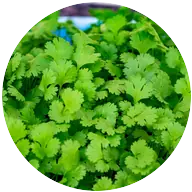 Cilantro
 Arugula
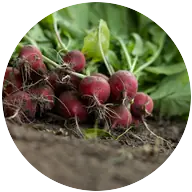 Radishes
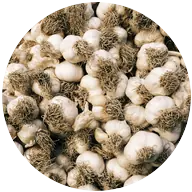 Garlic
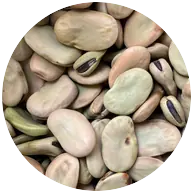 Fava beans
Portland dates. Pick your town at the top of the page for yours.
Key numbers
- 60°F min, 70–95°F bestSoil to sprout
- Below 50°FChill damage
- 6.0–7.5Soil pH
- 1 inch a weekWater
- One morning onlyEach flower opens
- 6–8 inchesPick at
Top care tip: Check plants every day or two in summer and pick at 6 to 8 inches, before squash turn into giant marrows.
The plant science
The plant biology behind the advice above, in plain language.
Warm soil first
Squash seeds need soil of at least 60°F to sprout, and they come up fastest at 70 to 95°F. In cold, wet soil they rot before they emerge, which is why squash sown too early in the Northwest often fails. Plants are also damaged by long spells below about 50°F. Wait for warm soil, or start seeds indoors two to three weeks before planting out.
Male and female flowers
Squash plants make separate male and female flowers. Males usually appear first, often for a week or more, and those early blossoms fall off without producing anything. That's normal. Female flowers have a tiny squash at their base.
Each flower opens for one morning only, and bees have to carry pollen from a male to a female. In cool or rainy weather, few bees fly. Poorly pollinated fruit starts to grow, then turns yellow and shrivels from the tip. If that's happening, hand-pollinate: early in the morning, pick a male flower, peel back its petals and brush its pollen onto the center of an open female flower.
Soil, water and feeding
Squash are heavy feeders. Grow them in soil rich in compost with a pH of about 6.0 to 7.5, and give them about an inch of water a week, at the base of the plant. Big leaves often wilt in afternoon heat even when the soil is moist; if they recover by evening, the plant is fine.
Powdery mildew
The white, powdery coating on older leaves in late summer is powdery mildew. Unlike most fungal diseases, it doesn't need wet leaves to spread; it thrives with warm days, cool nights and humid air, which is typical of a Northwest August. Plant mildew-resistant varieties, space plants for airflow and remove the worst leaves. Late in the season it's mostly a sign the plant is winding down.
Harvest and storage
Zucchini is eaten unripe, so pick it at 6 to 8 inches, when the skin is glossy and seeds are still tiny. Letting fruit grow huge signals the plant to slow down, so frequent picking keeps it producing. Store it in the fridge's crisper drawer and use within about a week; it gets pitted and soft if kept cold for too long.
Good neighbors and crop rotation
Good neighbors
- Nasturtiums and borage. Draw bees that pollinate the flowers.
- Corn. Squash leaves shade the soil under the stalks.
Squash family: Move squash, pumpkins, cucumbers and melons to a new bed each year and return every three years, so soil-borne wilts and root rots don't build up. Clear and compost (or bin) mildewed vines in fall.
Pests and problems
What most often goes wrong with zucchini and summer squash in Northwest gardens, how to spot it and what to do.
Powdery mildew
Signs: White powder on the leaves from August.
What to do: Remove the worst leaves, water at the base and grow resistant varieties.
Slugs
Signs: Young plants chewed off in damp spring weather.
What to do: Start plants indoors and set them out with slug bait around them.
Fruit rots at the tip
Signs: Small squash shrivel and rot from the flower end.
What to do: Often poor pollination in cool weather. Hand-pollinate with a paintbrush and water evenly.
Common questions about growing zucchini and summer squash
When should I plant zucchini and summer squash in Oregon, Washington and Idaho?
Plant in the garden: May 15 – Jun 12 in Portland and Seattle, May 20 – Jun 17 in Spokane, May 1–29 in Boise and Jun 9 – Jul 7 in Bend. Pick your town at the top of the page for your own dates.
Why are my zucchini rotting at the tip?
Usually poor pollination. When fruit isn't fully pollinated it starts to grow, then yellows and rots from the blossom end. Cool, rainy weather keeps bees away. Hand-pollinate in the morning with a male flower, or wait for warmer weather.
Why does my squash have flowers but no fruit?
Squash produce male flowers first, often for a week or more, and those don't make fruit. Female flowers, with a tiny squash at the base, follow. If both are present and fruit still doesn't set, there may not be enough bees, and hand-pollinating helps.
What is the white powder on my squash leaves?
Powdery mildew, which is common in late summer. Remove the worst leaves, keep watering at the base, and choose resistant varieties next year. Plants usually keep producing for weeks.
See what else to plant in April, May or June.
 Cucumbers
 Winter squash
 Pumpkins
 Melons