
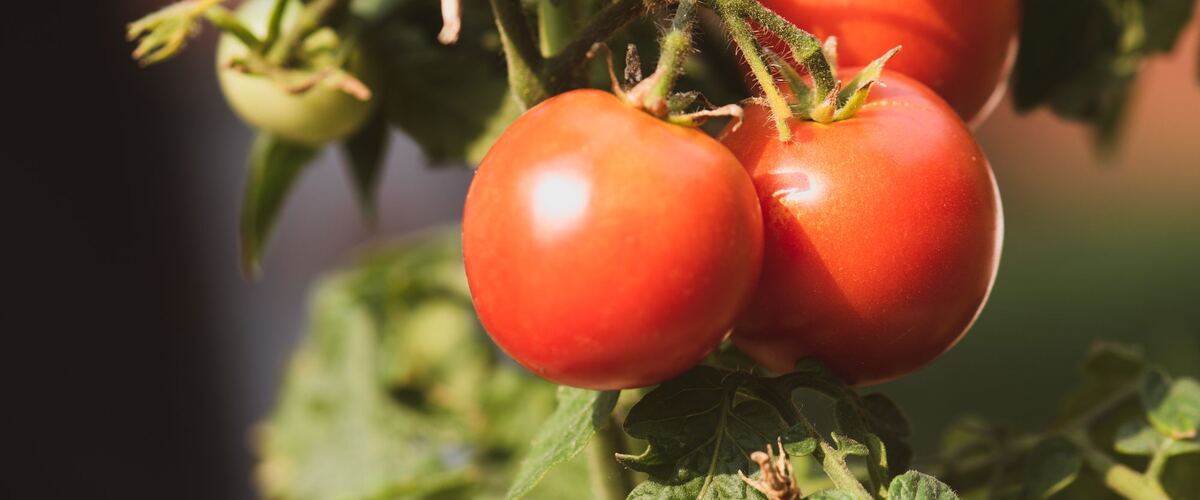
Oregon · Washington · Idaho
When to plant tomatoes
Plant in the garden: Portland and Seattle May 15 – Jun 12; Spokane May 20 – Jun 17; Boise May 1–29; Bend Jun 9 – Jul 7.
Your dates in
Tomatoes are the fruit of a tender, frost-killed plant in the nightshade family, cousins of peppers, eggplant and potatoes, first grown as a crop in Mexico. Gardeners grow them for slicing, salads, salsa, sauce and canning, and a homegrown tomato is picked ripe rather than shipped green. Varieties come in two habits: bush (determinate) types ripen most of their crop within a few weeks, while vining (indeterminate) types keep fruiting until frost.
Puts tomatoes on your free plan, with dates for your town and a spot in your beds.
- Difficulty
- Moderate
- Sun
- Full sun; the hottest spot you have
- Spacing
- 2 feet apart
- Planting depth
- Bury the stem up to the first leaves
- Frost
- Killed by frost
- First harvest
- About 75 days after planting
Wait for warm soil and mild nights before planting out. Early or cherry varieties ripen most reliably here.
Tomato planting dates
| Towns | Start seeds indoors | Plant in the garden |
|---|---|---|
| Portland, OR, Seattle and Tacoma, WA | Mar 20 – Apr 3 | May 15 – Jun 12 |
| Spokane, WA, Astoria, OR | Mar 25 – Apr 8 | May 20 – Jun 17 |
| Boise and Meridian, ID | Mar 6–20 | May 1–29 |
| Bend and Redmond, OR | Apr 14–28 | Jun 9 – Jul 7 |
Dates for six main cities. For any of the other 80 towns, type it in the box at the top of the page or browse all towns.
| Gresham, OR, Hillsboro and Beaverton, OR, Oregon City and West Linn, OR, Portland, OR, St. Helens and Scappoose, OR, Wilsonville and Canby, OR | Mar 20 – Apr 3 | May 15 – Jun 12 |
|---|
| Corvallis and Albany, OR, Cottage Grove, OR, Eugene, OR, McMinnville and Newberg, OR, Salem, OR | Mar 20 – Apr 3 | May 15 – Jun 12 |
|---|
| Ashland and Talent, OR, Grants Pass, OR, Medford, OR, Roseburg, OR | Mar 20 – Apr 3 | May 15 – Jun 12 |
|---|
| Astoria, OR, Brookings and Gold Beach, OR, Coos Bay and North Bend, OR, Newport and Lincoln City, OR, Tillamook, OR | Mar 25 – Apr 8 | May 20 – Jun 17 |
|---|
| Bend and Redmond, OR, Klamath Falls, OR | Apr 14–28 | Jun 9 – Jul 7 |
|---|---|---|
| Burns, OR | Apr 16–30 | Jun 11 – Jul 9 |
| Lakeview, OR | Apr 9–23 | Jun 4 – Jul 2 |
| Madras, OR | Mar 30 – Apr 13 | May 25 – Jun 22 |
| Prineville, OR | Apr 6–20 | Jun 1–29 |
| Baker City, OR, Enterprise and Joseph, OR | Mar 30 – Apr 13 | May 25 – Jun 22 |
|---|---|---|
| Hermiston, OR, Hood River, OR, Ontario, OR, Pendleton, OR, The Dalles, OR | Mar 6–20 | May 1–29 |
| John Day, OR | Apr 2–16 | May 28 – Jun 25 |
| La Grande, OR | Mar 25 – Apr 8 | May 20 – Jun 17 |
| Bremerton and Port Orchard, WA, Everett, WA, Kent, Renton and Auburn, WA, Olympia, WA, Seattle and Tacoma, WA, Shelton, WA | Mar 20 – Apr 3 | May 15 – Jun 12 |
|---|
| Anacortes, WA, Bellingham, WA, Friday Harbor and the San Juans, WA, Mount Vernon and Burlington, WA, Oak Harbor and Whidbey Island, WA | Mar 20 – Apr 3 | May 15 – Jun 12 |
|---|
| Aberdeen and Hoquiam, WA, Forks, WA, Long Beach and Ilwaco, WA | Mar 25 – Apr 8 | May 20 – Jun 17 |
|---|---|---|
| Port Angeles, WA, Port Townsend, WA, Sequim, WA | Mar 20 – Apr 3 | May 15 – Jun 12 |
| Centralia and Chehalis, WA, Longview and Kelso, WA, Vancouver, WA | Mar 20 – Apr 3 | May 15 – Jun 12 |
|---|
| Chelan, WA, Wenatchee, WA | Mar 6–20 | May 1–29 |
|---|---|---|
| Leavenworth, WA, Omak and Okanogan, WA, Winthrop and Twisp, WA | Mar 25 – Apr 8 | May 20 – Jun 17 |
| Ellensburg, WA, Goldendale, WA | Mar 25 – Apr 8 | May 20 – Jun 17 |
|---|---|---|
| Ephrata and Quincy, WA, Moses Lake, WA, Sunnyside, Grandview and Prosser, WA, Tri-Cities (Pasco, Kennewick, Richland), WA, Walla Walla, WA | Mar 6–20 | May 1–29 |
| Yakima, WA | Mar 13–27 | May 8 – Jun 5 |
| Colville, WA, Pullman, WA, Spokane, WA | Mar 25 – Apr 8 | May 20 – Jun 17 |
|---|
| Bonners Ferry, ID, Coeur d'Alene and Post Falls, ID, Sandpoint, ID | Mar 25 – Apr 8 | May 20 – Jun 17 |
|---|
| Lewiston, ID | Mar 6–20 | May 1–29 |
|---|---|---|
| Moscow, ID | Mar 25 – Apr 8 | May 20 – Jun 17 |
| Boise and Meridian, ID, Emmett, ID, Nampa and Caldwell, ID | Mar 6–20 | May 1–29 |
|---|---|---|
| McCall, ID | Apr 27 – May 11 | Jun 22 – Jul 20 |
| Burley and Rupert, ID, Idaho Falls, ID, Pocatello, ID, Rexburg, ID, Twin Falls, ID | Mar 25 – Apr 8 | May 20 – Jun 17 |
|---|---|---|
| Salmon, ID | Mar 30 – Apr 13 | May 25 – Jun 22 |
Tomato year at a glance
| Task | J | F | M | A | M | J | J | A | S | O | N | D |
|---|---|---|---|---|---|---|---|---|---|---|---|---|
| Start indoors | Mar | Apr | ||||||||||
| Plant | May | Jun | ||||||||||
| Harvest | Jul | Aug | Sep | Oct |
Around Portland. Colder towns, especially east of the Cascades, run a few weeks later; the table above has your town's planting dates.
How to grow tomatoes
- Start seeds indoors on your city's dates in trays or small pots under a grow light or in your sunniest window. Or skip this step and buy young plants (starts) at a garden center.
- Harden off the young plants: about a week before planting, set them outside for a few hours a day, a little longer each day.
- Plant them in the garden on your city's dates, 2 feet apart. Bury the stem up to the first leaves.
- Water deeply once or twice a week rather than a little every day, and mulch once the soil is warm.
- Harvest: Pick when fully colored. Before fall rains, pick green tomatoes and ripen them indoors.
Growing tomatoes in your part of the Northwest
The same plant behaves differently on the wet west side, the foggy coast and the dry, colder east side.
West-side valleys
Willamette Valley, Puget Sound, southern Oregon
Cool nights into June slow tomatoes down, and late blight can strike in wet Septembers. Early varieties like Stupice and Early Girl, a sunny spot and covering plants from rain all help.
Coast
Oregon and Washington coast
Cool, foggy summers are the main challenge. Grow cherry and early varieties, use a greenhouse or hoop house, or plant against a south-facing wall.
East of the Cascades
Columbia Basin, Yakima, Boise, Spokane, north Idaho
Hot summers ripen tomatoes easily, and late blight is rare in the dry air. Water evenly to prevent blossom-end rot and cracking. Curly top virus, spread by leafhoppers, can stunt plants; shade cloth early in summer helps.
High desert and mountain towns
Central Oregon, high eastern Oregon valleys, McCall, Salmon
Frost can come in June or August, so use wall-o-water, cloches or row cover and choose short-season varieties.
More tomato varieties
More widely sold picks that do well somewhere in the Northwest. The tag says which part of the Northwest suits each one best.
Stupice
Small red tomatoes with surprisingly rich flavor from a Czech heirloom. It sets fruit in cool weather and is one of the earliest slicers to ripen here.
Coast and west side
Early Girl
Medium red tomatoes with good flavor that ripen early and keep coming until frost. A long-time favorite for short or cool Northwest summers.
Both sides
Sungold
Golden-orange cherry tomatoes with an intensely sweet, fruity flavor. Vigorous vines start ripening early and produce huge crops; fruit can split after heavy rain.
Both sides
Oregon Spring
Compact plants that set medium red fruit in cool weather, often nearly seedless. A good pick for cool coastal summers and high-elevation gardens.
Short seasons
San Marzano
Long, meaty plum tomatoes with few seeds and rich flavor, the classic choice for sauce. It needs a warm spot to ripen a full crop before fall rains.
Both sides
Brandywine
Large, pink, potato-leaf beefsteaks famous for their flavor. It ripens late and sets fruit poorly in cool weather, so it does best in warm gardens.
East side
Legend
Large, round red slicers on compact plants. It has good resistance to some strains of late blight, which helps where fall rains arrive early.
Coast and west side
How much to grow
How many to plant
For a family of four, 2 or 3 cherry plants for snacking and 4 to 6 slicers, or more if you want to can sauce.
What to expect
About 8 to 15 pounds per plant for full-size types in a good summer, and often more from cherry tomatoes.
Storing the harvest
Keep ripe tomatoes on the counter, out of the sun. The fridge dulls the flavor. Freeze or can extras.
What to plant after tomatoes
Around Portland, the tomato harvest wraps up around October. These crops can still go into the same bed, and they come from a different plant family, which helps with rotation.
 Garlic
 Fava beans
 Shallots
Portland dates. Pick your town at the top of the page for yours.
Key numbers
- 75–85°FSoil to sprout
- Soil 60°F, nights near 50°FPlant out when
- Nights 60–70°FBest fruit set
- 6.2–6.8Soil pH
- 1+ inch a week, steadyWater
- Late blight in fall rainBiggest risk
Top care tip: Water deeply and steadily, about an inch a week, because uneven watering causes cracked fruit and blossom-end rot.
The plant science
The plant biology behind the advice above, in plain language.
Soil and feeding
Tomatoes do best in loose, well-drained soil with a pH of about 6.2 to 6.8. Work in a couple of inches of compost before planting and add a balanced vegetable fertilizer. Go easy on nitrogen: too much grows big, leafy plants that flower late and set less fruit, which is the last thing you want in a short Northwest summer.
Planting deep works because tomato stems grow roots wherever they're buried. A leggy transplant set in a trench or a deep hole ends up with a much larger root system, which helps it find water in August.
Why temperature matters so much
Tomato seeds sprout best in soil around 75 to 85°F and barely at all below 50°F. Once planted out, growth stalls whenever nights drop below about 50°F, which is why transplants set out in cold April soil often sit still for weeks and get passed by plants set out later.
Fruit set is the bigger issue here. Tomato pollen develops poorly when nights fall below about 55°F (and also when they stay above about 75°F or days top 90°F), so early flowers simply drop off. That's not a disease; it's the weather. Nights of 60 to 70°F give the best set. Varieties like Stupice and Oregon Spring were picked because they set fruit in cooler nights than most.
West of the Cascades, the easiest gains come from warming things up: plant against a south-facing wall, use black plastic mulch or wall-o-water protectors early, and wait to mulch with straw until the soil has warmed, since straw keeps cold soil cold.
Water, and what causes blossom-end rot
Water deeply and on a regular schedule, roughly an inch or more a week in summer, at the base of the plant. Blossom-end rot, the leathery black patch on the bottom of the fruit, is a calcium shortage inside the fruit, but it's almost always caused by uneven watering rather than a lack of calcium in the soil. Calcium moves to the fruit with water, so dry spells interrupt the supply. Steady watering and mulch fix it; adding calcium rarely does.
Cracked fruit has a similar cause: a heavy watering or rain after a dry spell makes the fruit swell faster than the skin can stretch.
Late blight, the big Northwest risk
Late blight is caused by Phytophthora infestans, a water mold (the pathogen behind the Irish potato famine). It thrives in cool, wet weather, roughly 60 to 70°F with leaves that stay wet for hours, which is exactly what arrives with the first fall rains. Spores blow in from nearby tomatoes and potatoes, and there's no cure once a plant is infected: dark, greasy blotches spread over leaves and stems, and fruit turns brown and firm.
Prevention is about keeping leaves dry. Water at the soil, space plants for airflow, remove the lowest leaves, and, if you can, grow under a simple rain cover or in a greenhouse. Varieties bred for resistance, such as Mountain Magic, Defiant PhR and Iron Lady, hold up noticeably better. Bag and throw out infected plants rather than composting them, and pull up volunteer potatoes, which can carry the disease.
Ripening and storage
Ripening is driven by ethylene, a natural plant hormone, and the red pigment (lycopene) forms best at about 68 to 77°F. Above about 85°F it barely forms, which is why fruit can stall orange in a heat wave, and in cool fall weather ripening slows to a crawl.
A tomato picked once it shows its first blush of color will ripen indoors with nearly the same flavor as one left on the vine. Before fall rains or frost, pick full-size green fruit (glossy, with a lighter color starting at the blossom end) and ripen it at room temperature. Keep ripe tomatoes on the counter: the fridge, below about 55°F, dulls their flavor and turns the texture mealy.
Good neighbors and crop rotation
Good neighbors
- Basil. Same warm-season timing and both want full sun and steady water.
- Lettuce. Grows in the tomato's shade in summer and holds off bolting.
Keep apart
- Potatoes. Both catch late blight, and each spreads it to the other.
- Black walnut trees. Their roots release a compound that wilts and kills tomatoes.
Tomato family: Tomatoes, potatoes, peppers, eggplant, tomatillos and ground cherries are all one family. Keep them out of the same bed for three years: early blight survives on old plant debris and verticillium wilt lives in the soil. Dig up volunteer potatoes, which can carry late blight over winter.
Pests and problems
What most often goes wrong with tomatoes in Northwest gardens, how to spot it and what to do.
Late blight
Signs: Dark, greasy blotches on leaves and stems, and brown, firm patches on fruit, in wet late summers.
What to do: Space and prune for airflow, keep leaves dry, remove infected plants and choose resistant varieties.
Blossom-end rot
Signs: A dark, leathery patch on the bottom of the fruit.
What to do: Water deeply and evenly; it's a calcium uptake problem caused by uneven moisture, rarely a lack of calcium.
Cracking
Signs: Splits around the top after a heavy rain.
What to do: Mulch and water evenly, and pick fruit just as it colors before forecast rain.
Saving tomato seed
Will it come true?
Open-pollinated and heirloom varieties, like Stupice, San Marzano and Brandywine, grow true from saved seed. Hybrids, marked F1 on the packet, like Early Girl and Sungold, don't; their seedlings are a mix of the parents. Tomato flowers mostly pollinate themselves, so crossing between varieties is uncommon in a home garden.
How to save it
Scoop the seeds and gel from a fully ripe fruit into a jar with a little water and leave it for two or three days until a film forms, which loosens the gel. Rinse, spread the seeds on a plate to dry for about a week, then store them. Store dry seed in a labeled paper envelope in a cool, dry place.
Common questions about growing tomatoes
When should I plant tomatoes in Oregon, Washington and Idaho?
Plant in the garden: May 15 – Jun 12 in Portland and Seattle, May 20 – Jun 17 in Spokane, May 1–29 in Boise and Jun 9 – Jul 7 in Bend. Pick your town at the top of the page for your own dates.
Why are my tomato flowers falling off without making fruit?
Usually temperature. Tomato pollen develops poorly when nights drop below about 55°F or days go above about 90°F, so the flowers drop. It's common in June west of the Cascades and during heat waves east of them. Fruit set picks up on its own once nights settle between 60 and 70°F.
What causes blossom-end rot?
A shortage of calcium in the developing fruit, almost always caused by uneven watering rather than a lack of calcium in the soil. Water deeply on a steady schedule and mulch once the soil is warm. The first fruits of the season are most affected, and later ones are usually fine.
Should I remove tomato suckers?
It's optional. On tall, indeterminate varieties, removing some suckers improves airflow (which helps against blight here) and can speed ripening of the fruit that's left, at the cost of a smaller total crop. Don't remove suckers from bush (determinate) varieties; that just cuts the harvest.
How do I ripen green tomatoes at the end of the season?
Pick full-size green tomatoes that are glossy and starting to lighten at the bottom, and keep them at room temperature, out of the sun. They'll ripen over one to three weeks. Small, hard, dull-green fruit won't ripen well and is best for fried green tomatoes or chutney.
See what else to plant in March, April, May or June.
 Peppers
 Eggplant
 Sweet corn
 Tomatillos
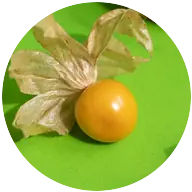 Ground cherries