
Oregon · Washington · Idaho
When to plant bush beans
Plant in the garden: Portland and Seattle May 10 – Jun 21; Spokane May 15 – Jun 26; Boise May 1 – Jun 12; Bend Jun 16 – Jul 28.
Your dates in
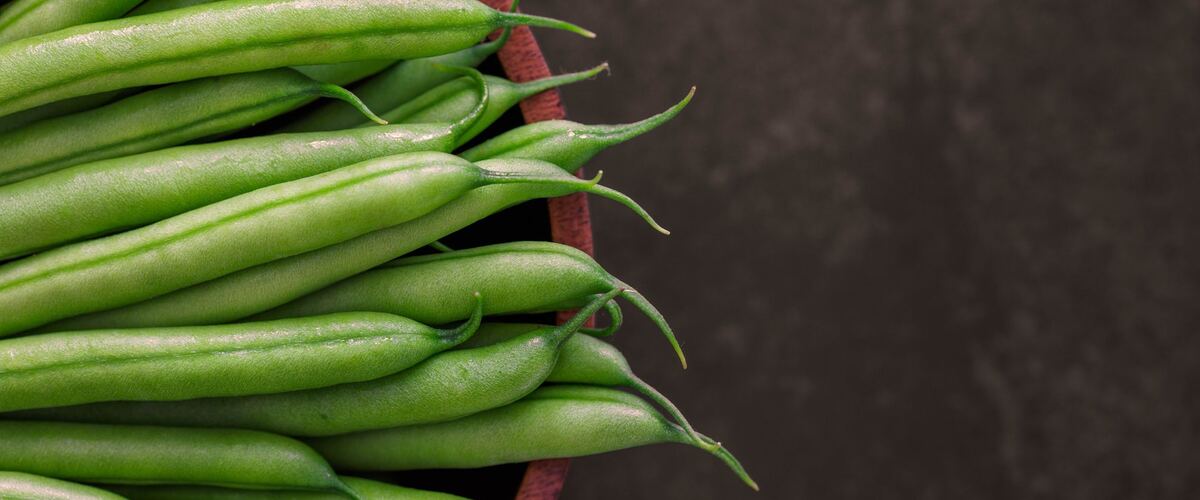
Bush beans are compact, knee-high bean plants grown mostly for green beans, the tender young pods, though some varieties are left to dry for soup beans. They bear most of their crop over two or three weeks, so many gardeners sow a few short rows several weeks apart. Pods come in green, yellow (wax) and purple, and purple pods turn green when cooked.
Puts bush beans on your free plan, with dates for your town and a spot in your beds.
- Difficulty
- Easy
- Sun
- Full sun
- Spacing
- 3 inches apart
- Planting depth
- 1 inch deep
- Frost
- Killed by frost
- First harvest
- About 55 days after planting
Seeds rot in cold, wet soil. Wait until soil is consistently above 60°F.
Bush bean planting dates
| Towns | Plant in the garden |
|---|---|
| Portland, OR, Seattle and Tacoma, WA | May 10 – Jun 21 |
| Spokane, WA, Astoria, OR | May 15 – Jun 26 |
| Boise and Meridian, ID | May 1 – Jun 12 |
| Bend and Redmond, OR | Jun 16 – Jul 28 |
Dates for six main cities. For any of the other 80 towns, type it in the box at the top of the page or browse all towns.
| Gresham, OR, Hillsboro and Beaverton, OR, Oregon City and West Linn, OR, Portland, OR, St. Helens and Scappoose, OR, Wilsonville and Canby, OR | May 10 – Jun 21 |
|---|
| Corvallis and Albany, OR, Cottage Grove, OR, Eugene, OR, McMinnville and Newberg, OR, Salem, OR | May 10 – Jun 21 |
|---|
| Ashland and Talent, OR | May 13 – Jun 24 |
|---|---|
| Grants Pass, OR, Medford, OR, Roseburg, OR | May 10 – Jun 21 |
| Astoria, OR, Brookings and Gold Beach, OR, Coos Bay and North Bend, OR, Newport and Lincoln City, OR, Tillamook, OR | May 15 – Jun 26 |
|---|
| Bend and Redmond, OR, Klamath Falls, OR | Jun 16 – Jul 28 |
|---|---|
| Burns, OR | Jun 18 – Jul 30 |
| Lakeview, OR | Jun 11 – Jul 23 |
| Madras, OR | May 26 – Jul 7 |
| Prineville, OR | Jun 8 – Jul 20 |
| Baker City, OR | Jun 1 – Jul 13 |
|---|---|
| Enterprise and Joseph, OR | May 31 – Jul 12 |
| Hermiston, OR, Pendleton, OR | May 3 – Jun 14 |
| Hood River, OR | Apr 27 – Jun 8 |
| John Day, OR | Jun 4 – Jul 16 |
| La Grande, OR | May 15 – Jun 26 |
| Ontario, OR | Apr 28 – Jun 9 |
| The Dalles, OR | Apr 25 – Jun 6 |
| Bremerton and Port Orchard, WA, Everett, WA, Kent, Renton and Auburn, WA, Olympia, WA, Seattle and Tacoma, WA, Shelton, WA | May 10 – Jun 21 |
|---|
| Anacortes, WA, Bellingham, WA, Friday Harbor and the San Juans, WA, Mount Vernon and Burlington, WA, Oak Harbor and Whidbey Island, WA | May 10 – Jun 21 |
|---|
| Aberdeen and Hoquiam, WA, Forks, WA, Long Beach and Ilwaco, WA | May 15 – Jun 26 |
|---|---|
| Port Angeles, WA, Port Townsend, WA, Sequim, WA | May 10 – Jun 21 |
| Centralia and Chehalis, WA, Longview and Kelso, WA, Vancouver, WA | May 10 – Jun 21 |
|---|
| Chelan, WA, Wenatchee, WA | Apr 25 – Jun 6 |
|---|---|
| Leavenworth, WA | May 17 – Jun 28 |
| Omak and Okanogan, WA | May 15 – Jun 26 |
| Winthrop and Twisp, WA | May 22 – Jul 3 |
| Ellensburg, WA, Yakima, WA | May 15 – Jun 26 |
|---|---|
| Ephrata and Quincy, WA | Apr 29 – Jun 10 |
| Goldendale, WA | May 26 – Jul 7 |
| Moses Lake, WA, Tri-Cities (Pasco, Kennewick, Richland), WA | May 4 – Jun 15 |
| Sunnyside, Grandview and Prosser, WA | May 8 – Jun 19 |
| Walla Walla, WA | Apr 25 – Jun 6 |
| Colville, WA, Pullman, WA, Spokane, WA | May 15 – Jun 26 |
|---|
| Bonners Ferry, ID, Coeur d'Alene and Post Falls, ID, Sandpoint, ID | May 15 – Jun 26 |
|---|
| Lewiston, ID | Apr 25 – Jun 6 |
|---|---|
| Moscow, ID | May 15 – Jun 26 |
| Boise and Meridian, ID | May 1 – Jun 12 |
|---|---|
| Emmett, ID | May 7 – Jun 18 |
| McCall, ID | Jun 29 – Aug 10 |
| Nampa and Caldwell, ID | May 6 – Jun 17 |
| Burley and Rupert, ID, Pocatello, ID | May 15 – Jun 26 |
|---|---|
| Idaho Falls, ID, Twin Falls, ID | May 16 – Jun 27 |
| Rexburg, ID | May 19 – Jun 30 |
| Salmon, ID | May 25 – Jul 6 |
Bush bean year at a glance
| Task | J | F | M | A | M | J | J | A | S | O | N | D |
|---|---|---|---|---|---|---|---|---|---|---|---|---|
| Plant | May | Jun | ||||||||||
| Harvest | Jul | Aug | Sep |
Around Portland. Colder towns, especially east of the Cascades, run a few weeks later; the table above has your town's planting dates.
How to grow bush beans
- Prepare the bed: loosen the soil and mix in an inch or two of compost.
- Plant seeds on your city's dates, 1 inch deep, 3 inches apart.
- Keep the soil evenly moist until sprouts appear, which can take one to three weeks in cool soil.
- Harvest: Pick when pods are pencil-thick and before the seeds bulge. Picking often keeps plants producing.
Growing bush beans in your part of the Northwest
The same plant behaves differently on the wet west side, the foggy coast and the dry, colder east side.
West-side valleys
Willamette Valley, Puget Sound, southern Oregon
Bean seed rots in cold, wet soil, so wait until the soil is warm in mid to late May, even if the frost date has passed. Slugs and cutworms take young seedlings.
Coast
Oregon and Washington coast
Cool summers slow beans down. Sow in a warm, sheltered spot, and choose bush beans, which produce sooner than pole beans.
East of the Cascades
Columbia Basin, Yakima, Boise, Spokane, north Idaho
Beans grow fast in the heat, but very hot, dry spells make blossoms drop. Water deeply and mulch. Curly top virus, spread by leafhoppers in dry interior valleys, can stunt plants.
High desert and mountain towns
Central Oregon, high eastern Oregon valleys, McCall, Salmon
Late spring frosts and cold nights make beans a gamble. Sow after the last frost, choose quick bush varieties, and keep row cover handy.
More bush bean varieties
More widely sold picks that do well somewhere in the Northwest. The tag says which part of the Northwest suits each one best.
Provider
Round green pods on sturdy plants that sprout better in cool soil than most bush beans. It is early, productive and resistant to several common bean diseases.
Both sides
Blue Lake 274
A bush version of the classic Blue Lake pole bean, with round, straight, meaty pods. Excellent flavor fresh, and a favorite for canning and freezing.
Both sides
Royal Burgundy
Deep purple pods that are easy to spot when picking and turn green when cooked. It tolerates cooler soil better than many beans.
Both sides
Contender
One of the earliest bush beans, with tender, slightly curved pods and good disease resistance. Its speed makes it useful for short seasons and late sowings.
Short seasons
Dragon's Tongue
Flat, pale yellow pods with purple streaks that fade when cooked. It is tender and stringless, and the beans can be used fresh or shelled.
Both sides
Cherokee Wax
Bright yellow, round, stringless pods on productive plants. Early and easy to see when picking, it adds color to the bean patch.
Both sides
How much to grow
How many to plant
For a family of four, about 20 to 30 feet of bush beans, sown in two batches three weeks apart.
What to expect
About ½ to ¾ pound of snap beans per foot of row over the season.
Storing the harvest
Keep a week in a bag in the fridge. Blanch and freeze, or can, extras.
What to plant after bush beans
Around Portland, the bush bean harvest wraps up around September. These crops can still go into the same bed, and they come from a different plant family, which helps with rotation.
- Mâche Aug 13 – Sep 17
- Spinach Aug 20 – Sep 10
- Mustard greens Aug 20 – Sep 10
- Cilantro Aug 27 – Sep 10
- Arugula Aug 27 – Sep 17
- Radishes Sep 3–17
- Garlic Oct 1 – Nov 15
- Shallots Oct 1 – Nov 15
 Mâche
 Spinach
 Mustard greens
 Cilantro
 Arugula
 Radishes
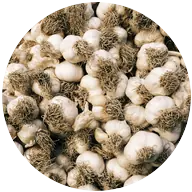 Garlic
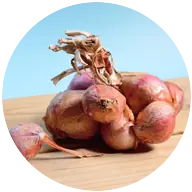 Shallots
Portland dates. Pick your town at the top of the page for yours.
Key numbers
- 60°F min, 80°F idealSoil to sprout
- NoSoak seeds?
- Makes its ownNitrogen
- Above 90°F or dryFlowers drop
- 6.0–7.0Soil pH
- Pencil-thickPick at
Top care tip: Pick pods at pencil thickness every few days, since plants left with big pods stop producing.
The plant science
The plant biology behind the advice above, in plain language.
Why cold soil kills bean seeds
Bean seeds need soil of at least 60°F to sprout, and about 80°F is ideal. In cold, wet soil, dry seeds absorb water so quickly that their tissues are damaged, and soil fungi then rot them before they emerge. That's the most common bean failure in the Northwest. Use a soil thermometer and wait for 60°F. Don't soak bean seeds before planting, since that can cause the same injury. Provider is noted for sprouting better in cooler soil.
Beans make their own nitrogen
Beans partner with soil bacteria called rhizobia, which live in small nodules on the roots and turn nitrogen from the air into a form the plant can use. Active nodules are pink inside. Because of this, beans need little nitrogen fertilizer, and heavy feeding mostly produces leaves at the expense of pods.
In a bed that hasn't grown beans before, coating seeds with a bean inoculant (a powder containing the right bacteria) at planting time helps nodules form.
Soil and water
Beans grow best in loose, well-drained soil with a pH of about 6.0 to 7.0. Keep the soil evenly moist once flowering starts. Drought or heat above about 90°F during bloom causes flowers and small pods to drop, which is more common east of the Cascades.
Disease
Bacterial blights and white mold spread easily on wet leaves. Water at the base, give plants room for airflow, and avoid working among them or picking while the leaves are wet, since you can carry bacteria from plant to plant on your hands.
Harvest and storage
Pick snap beans when pods are about as thick as a pencil and before seeds bulge. Once seeds start to mature, the plant slows down, so frequent picking keeps it producing for weeks. Store in the fridge and use within about a week.
Good neighbors and crop rotation
Good neighbors
- Corn and squash. Beans use the gaps and don't compete for the same space in the soil.
- Carrots and beets. Root crops and bush beans share a bed well.
Pea and bean family: Rotate peas and beans every two or three years to keep root rots from building up. Their roots host bacteria that fix nitrogen, but most of it leaves in the pods and seeds, so they help the next crop only a little unless you dig the plants back in.
Pests and problems
What most often goes wrong with bush beans in Northwest gardens, how to spot it and what to do.
Seed rot
Signs: Seeds never come up in cold, wet soil.
What to do: Wait until the soil is about 60°F, and don't soak seeds before planting.
Slugs and seedcorn maggots
Signs: Seedlings chewed or sprouts tunneled before they come up.
What to do: Plant into warm soil so seedlings race through the risky stage; set out slug bait.
White mold
Signs: White fuzz and slimy pods in crowded, wet late summers.
What to do: Space rows for airflow and water at the base in the morning.
Saving bush bean seed
Will it come true?
Bean flowers pollinate themselves before they open, so open-pollinated varieties come true even when several kinds grow side by side.
How to save it
Leave some pods on the plant until they are dry, brown and rattle. In a wet west-side fall, pull the whole plants and hang them under cover to finish drying. Shell the beans, let them dry another week, and freeze them for a few days to kill any weevils. Store dry seed in a labeled paper envelope in a cool, dry place.
Common questions about growing bush beans
When should I plant bush beans in Oregon, Washington and Idaho?
Plant in the garden: May 10 – Jun 21 in Portland and Seattle, May 15 – Jun 26 in Spokane, May 1 – Jun 12 in Boise and Jun 16 – Jul 28 in Bend. Pick your town at the top of the page for your own dates.
Should I soak bean seeds before planting?
No. Bean seeds that take up water too fast, especially in cold soil, can be damaged and rot. Plant dry seed in moist soil that's at least 60°F, and water once.
Do beans need fertilizer?
Very little. Beans work with soil bacteria that supply nitrogen from the air, so too much nitrogen just produces leaves. Mix in compost and use an inoculant in beds that haven't grown beans before.
Why are my bean flowers falling off?
Usually heat or drought while flowering, especially with days above about 90°F. Keep the soil evenly moist through bloom, and new flowers will set pods once temperatures ease.
See what else to plant in May or June.
 Peas
 Fava beans
 Pole beans