
Oregon · Washington · Idaho
When to plant beets
Plant in the garden: Portland and Seattle Mar 15 – May 10; Spokane Apr 15 – Jun 10; Boise Apr 1 – May 27; Bend May 12 – Jul 7.
Your dates in
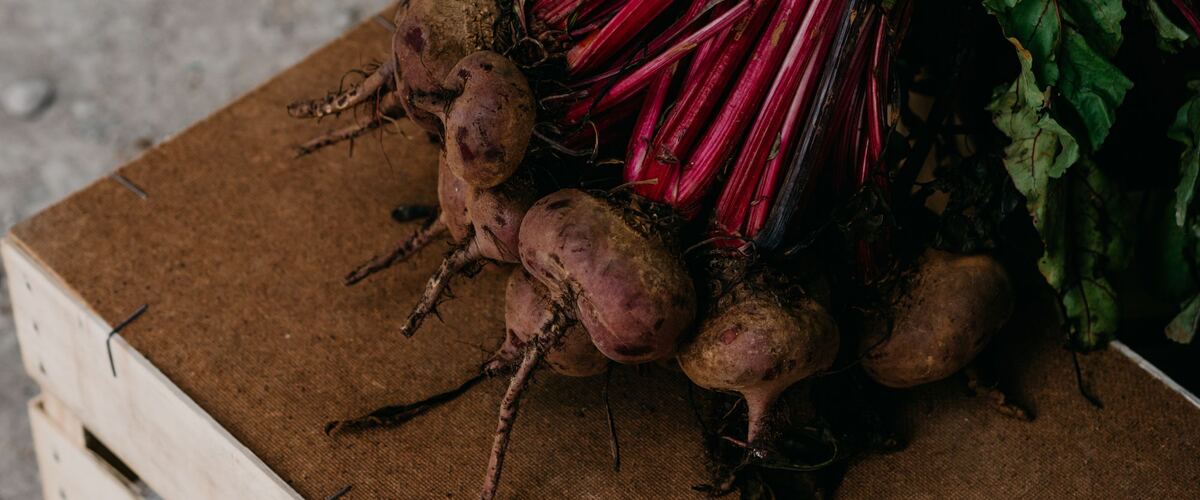
Beets are grown for both their round, sweet root and their leaves, which cook like chard, a close relative. Red is the classic color, but golden beets don't bleed, and Chioggia beets show red-and-white rings when sliced. Sugar beets, a big crop in Idaho's Snake River country, are the same species bred for sugar.
Puts beets on your free plan, with dates for your town and a spot in your beds.
- Difficulty
- Moderate
- Sun
- Full sun; tolerates light shade
- Spacing
- Thin to 3 inches apart
- Planting depth
- ½ inch deep
- Frost
- Handles light frost
- First harvest
- About 60 days after planting
Each seed cluster sprouts several seedlings; thin to 3 inches apart.
Beet planting dates
| Towns | Plant in the garden | Plant again for fall |
|---|---|---|
| Portland, OR, Seattle and Tacoma, WA | Mar 15 – May 10 | Aug 6–20 |
| Spokane, WA | Apr 15 – Jun 10 | Aug 3–17 |
| Boise and Meridian, ID, Astoria, OR | Apr 1 – May 27 | Aug 6–20 |
| Bend and Redmond, OR | May 12 – Jul 7 | — |
Dates for six main cities. For any of the other 80 towns, type it in the box at the top of the page or browse all towns.
| Gresham, OR, Oregon City and West Linn, OR, Portland, OR, St. Helens and Scappoose, OR, Wilsonville and Canby, OR | Mar 15 – May 10 | Aug 6–20 |
|---|---|---|
| Hillsboro and Beaverton, OR | Mar 19 – May 14 | Aug 6–20 |
| Corvallis and Albany, OR, Eugene, OR, Salem, OR | Mar 15 – May 10 | Aug 6–20 |
|---|---|---|
| Cottage Grove, OR | Mar 27 – May 22 | Aug 6–20 |
| McMinnville and Newberg, OR | Mar 18 – May 13 | Aug 6–20 |
| Ashland and Talent, OR | Apr 8 – Jun 3 | Jul 30 – Aug 13 |
|---|---|---|
| Grants Pass, OR, Medford, OR, Roseburg, OR | Mar 15 – May 10 | Aug 6–20 |
| Astoria, OR, Brookings and Gold Beach, OR, Coos Bay and North Bend, OR, Newport and Lincoln City, OR, Tillamook, OR | Apr 1 – May 27 | Aug 6–20 |
|---|
| Bend and Redmond, OR, Klamath Falls, OR | May 12 – Jul 7 | — |
|---|---|---|
| Burns, OR | May 14 – Jul 9 | — |
| Lakeview, OR | May 7 – Jul 2 | — |
| Madras, OR | Apr 21 – Jun 16 | Jul 26 – Aug 9 |
| Prineville, OR | May 4 – Jun 29 | Jul 14–28 |
| Baker City, OR | Apr 27 – Jun 22 | Jul 7–21 |
|---|---|---|
| Enterprise and Joseph, OR | Apr 26 – Jun 21 | Jul 23 – Aug 6 |
| Hermiston, OR | Apr 1 – May 27 | Aug 1–15 |
| Hood River, OR | Apr 1 – May 27 | Aug 4–18 |
| John Day, OR | Apr 30 – Jun 25 | Jul 10–24 |
| La Grande, OR | Apr 15 – Jun 10 | Jul 23 – Aug 6 |
| Ontario, OR | Apr 1 – May 27 | Aug 5–19 |
| Pendleton, OR, The Dalles, OR | Apr 1 – May 27 | Aug 6–20 |
| Bremerton and Port Orchard, WA, Everett, WA, Kent, Renton and Auburn, WA, Seattle and Tacoma, WA | Mar 15 – May 10 | Aug 6–20 |
|---|---|---|
| Olympia, WA | Apr 1 – May 27 | Aug 5–19 |
| Shelton, WA | Mar 30 – May 25 | Aug 6–20 |
| Anacortes, WA, Bellingham, WA, Friday Harbor and the San Juans, WA, Mount Vernon and Burlington, WA, Oak Harbor and Whidbey Island, WA | Mar 15 – May 10 | Aug 6–20 |
|---|
| Aberdeen and Hoquiam, WA, Forks, WA, Long Beach and Ilwaco, WA | Apr 1 – May 27 | Aug 6–20 |
|---|---|---|
| Port Angeles, WA, Port Townsend, WA | Mar 15 – May 10 | Aug 6–20 |
| Sequim, WA | Mar 24 – May 19 | Aug 6–20 |
| Centralia and Chehalis, WA | Mar 25 – May 20 | Aug 6–20 |
|---|---|---|
| Longview and Kelso, WA, Vancouver, WA | Mar 15 – May 10 | Aug 6–20 |
| Chelan, WA, Wenatchee, WA | Apr 1 – May 27 | Aug 6–20 |
|---|---|---|
| Leavenworth, WA | Apr 15 – Jun 10 | Jul 22 – Aug 5 |
| Omak and Okanogan, WA | Apr 15 – Jun 10 | Jul 29 – Aug 12 |
| Winthrop and Twisp, WA | Apr 17 – Jun 12 | Jul 14–28 |
| Ellensburg, WA | Apr 15 – Jun 10 | Jul 29 – Aug 12 |
|---|---|---|
| Ephrata and Quincy, WA, Walla Walla, WA | Apr 1 – May 27 | Aug 6–20 |
| Goldendale, WA | Apr 21 – Jun 16 | Jul 17–31 |
| Moses Lake, WA | Apr 1 – May 27 | Jul 30 – Aug 13 |
| Sunnyside, Grandview and Prosser, WA | Apr 3 – May 29 | Jul 28 – Aug 11 |
| Tri-Cities (Pasco, Kennewick, Richland), WA | Apr 1 – May 27 | Aug 2–16 |
| Yakima, WA | Apr 10 – Jun 5 | Jul 26 – Aug 9 |
| Colville, WA, Pullman, WA | Apr 15 – Jun 10 | Jul 24 – Aug 7 |
|---|---|---|
| Spokane, WA | Apr 15 – Jun 10 | Aug 3–17 |
| Bonners Ferry, ID | Apr 15 – Jun 10 | Jul 26 – Aug 9 |
|---|---|---|
| Coeur d'Alene and Post Falls, ID | Apr 15 – Jun 10 | Aug 6–20 |
| Sandpoint, ID | Apr 15 – Jun 10 | Jul 20 – Aug 3 |
| Lewiston, ID | Apr 1 – May 27 | Aug 6–20 |
|---|---|---|
| Moscow, ID | Apr 15 – Jun 10 | Jul 24 – Aug 7 |
| Boise and Meridian, ID | Apr 1 – May 27 | Aug 6–20 |
|---|---|---|
| Emmett, ID | Apr 2 – May 28 | Aug 6–20 |
| McCall, ID | May 25 – Jul 20 | — |
| Nampa and Caldwell, ID | Apr 1 – May 27 | Aug 4–18 |
| Burley and Rupert, ID, Twin Falls, ID | Apr 15 – Jun 10 | Jul 26 – Aug 9 |
|---|---|---|
| Idaho Falls, ID | Apr 15 – Jun 10 | Jul 23 – Aug 6 |
| Pocatello, ID | Apr 15 – Jun 10 | Aug 2–16 |
| Rexburg, ID | Apr 15 – Jun 10 | Jul 16–30 |
| Salmon, ID | Apr 19 – Jun 14 | Jul 16–30 |
Beet year at a glance
| Task | J | F | M | A | M | J | J | A | S | O | N | D |
|---|---|---|---|---|---|---|---|---|---|---|---|---|
| Plant | Mar | Apr | May | Aug | ||||||||
| Harvest | Jun | Jul | Aug | Sep | Oct | Nov |
Around Portland. Colder towns, especially east of the Cascades, run a few weeks later; the table above has your town's planting dates.
How to grow beets
- Prepare the bed: loosen the soil and mix in an inch or two of compost.
- Plant seeds on your city's dates, ½ inch deep, Thin to 3 inches apart.
- Keep the soil evenly moist until sprouts appear, which can take one to three weeks in cool soil.
- Plant again on your city's dates for a fall harvest.
- Harvest: Pull at golf ball to tennis ball size. The greens are edible too.
Growing beets in your part of the Northwest
The same plant behaves differently on the wet west side, the foggy coast and the dry, colder east side.
West-side valleys
Willamette Valley, Puget Sound, southern Oregon
Beets do well in spring and as a fall crop sown in July. Leaf miners make tunnels in the leaves; pick off affected leaves and cover the rows if you eat the greens.
Coast
Oregon and Washington coast
Cool summers suit beets, and you can sow them from spring into midsummer.
East of the Cascades
Columbia Basin, Yakima, Boise, Spokane, north Idaho
The soil surface crusts quickly in dry wind, which keeps seedlings from emerging, so keep it moist until they sprout. Curly top virus, spread by the beet leafhopper in dry interior valleys, can stunt plants; row cover in early summer helps.
High desert and mountain towns
Central Oregon, high eastern Oregon valleys, McCall, Salmon
Beets handle cold well and grow steadily in the cool nights. Sow after the soil warms a little in spring and again in early summer.
More beet varieties
More widely sold picks that do well somewhere in the Northwest. The tag says which part of the Northwest suits each one best.
Detroit Dark Red
Smooth, round, deep red roots with sweet flavor and tasty greens. A dependable standard for fresh eating, canning and pickling.
Both sides
Chioggia
Pink skin with candy-cane rings of red and white inside. It has a mild, sweet flavor and makes a striking raw or roasted beet.
Both sides
Early Wonder
One of the fastest beets, with slightly flattened red roots and lots of tender greens. Good for an early start in cool spring soil.
Both sides
Touchstone Gold
Orange-gold roots with bright yellow flesh that won't bleed red on the cutting board. It has a mild, sweet flavor and germinates better than many golden beets.
Both sides
Cylindra
Long, carrot-shaped roots that cut into even slices, handy for pickling. It grows well in tight spacing and produces a lot from a small bed.
Both sides
Bull's Blood
Grown as much for its glossy deep red leaves as its sweet roots. The leaves make colorful baby greens, and the color deepens in cool weather.
Both sides
How much to grow
How many to plant
For a family of four, a 10-foot row every three to four weeks from spring to midsummer.
What to expect
About 3 to 4 beets per foot of row once thinned, or 2 to 3 pounds, plus the greens.
Storing the harvest
Cut the leaves off, leaving an inch of stem, and keep roots in a bag in the fridge for two to three months.
What to plant after beets
Around Portland, the beet harvest wraps up around November. These crops can still go into the same bed, and they come from a different plant family, which helps with rotation.
 Garlic
 Shallots
Portland dates. Pick your town at the top of the page for yours.
Key numbers
- 2–4Seeds per cluster
- 3 inchesThin to
- 6.0–7.5Soil pH
- 50–85°FSoil to sprout
- Golf to tennis ball sizePull at
- 2–4 months coldKeeps
Top care tip: Thin each seed cluster to one seedling every 3 inches, and eat the thinnings as baby greens.
The plant science
The plant biology behind the advice above, in plain language.
One seed, several seedlings
A beet "seed" is actually a dried fruit cluster containing two to four seeds, so seedlings come up in small clumps. Thin to one plant every 3 inches once they're a couple of inches tall; crowded beets grow leaves instead of roots. Monogerm varieties have one seed per cluster and need less thinning.
Soil, pH and boron
Beets grow best in loose soil with a pH of about 6.0 to 7.5 and don't do well in acidic soil. They also need more boron than most vegetables. A shortage causes black, corky spots inside the root and dying leaf centers. If that's happened before, test the soil; if boron is low, add it in very small amounts, since too much is toxic to plants.
Temperature
Beet seeds sprout in soil from about 50 to 85°F. Plants grow best in cool weather. Beets are biennials, and a long cold spell after planting can make spring plantings bolt, so wait until the soil has warmed a bit. White rings inside the root usually come from fluctuating temperatures or heat stress and don't affect flavor much.
Water
Keep the soil evenly moist. Dry spells make roots woody and tough, and a sudden soak after drought can split them. A light mulch helps once seedlings are up.
Pests
Leaf miners tunnel through the leaves, leaving pale, papery blotches. Pick off affected leaves early and cover young plants with row cover. Slugs go after seedlings.
Harvest and storage
Pull beets at golf ball to tennis ball size, when they're most tender. Leave an inch of stem when trimming the tops so the roots don't bleed. The red color comes from betalains, water-soluble pigments that stain; golden beets are less messy. The greens are edible too. Stored cold and humid, in the fridge or a root cellar, trimmed beets keep two to four months.
Good neighbors and crop rotation
Good neighbors
- Lettuce and onions. Shallow or narrow plants that fit around beets without shading them.
- Bush beans. Different nutrient needs and timing; beans fill the bed after spring beets come out.
Beet family: Beets, chard and spinach are close relatives and share leaf miners, whose pupae overwinter in the soil. Rotate them on a two- to three-year cycle.
Pests and problems
What most often goes wrong with beets in Northwest gardens, how to spot it and what to do.
Leaf miners
Signs: Pale, papery blotches in the leaves.
What to do: Pick off spotted leaves and use row cover in spring.
Scabby or cracked roots
Signs: Rough patches or splits on the skin.
What to do: Water evenly and don't add lime unless a soil test asks for it.
Crowding
Signs: Lots of leaves and tiny roots.
What to do: Each seed is a cluster of several seeds. Thin seedlings to 3 to 4 inches apart and eat the thinnings.
Common questions about growing beets
When should I plant beets in Oregon, Washington and Idaho?
Plant in the garden: Mar 15 – May 10 in Portland and Seattle, Apr 15 – Jun 10 in Spokane, Apr 1 – May 27 in Boise and May 12 – Jul 7 in Bend. Pick your town at the top of the page for your own dates.
Why do several beet seedlings grow from one seed?
Each beet "seed" is a cluster of two to four seeds. Thin to one plant every 3 inches, or grow monogerm varieties, which have one seed per cluster.
Why are my beets all leaves and no root?
Most often crowding: beets need about 3 inches each. Too much nitrogen, too much shade, or uneven watering can also cause it.
What are the black spots inside my beets?
Usually boron deficiency, which causes black, corky spots inside the root. Test your soil and, if boron is low, add a very small amount. Too much boron is toxic, so don't add it without testing.
See what else to plant in March, April, May or August.
 Radishes
 Carrots
 Turnips
 Potatoes
 Parsnips
 Sweet potatoes