
Oregon · Washington · Idaho
When to plant Swiss chard
Plant in the garden: Portland and Seattle Mar 15 – May 10; Spokane Apr 15 – Jun 10; Boise Apr 1 – May 27; Bend May 12 – Jul 7.
Your dates in
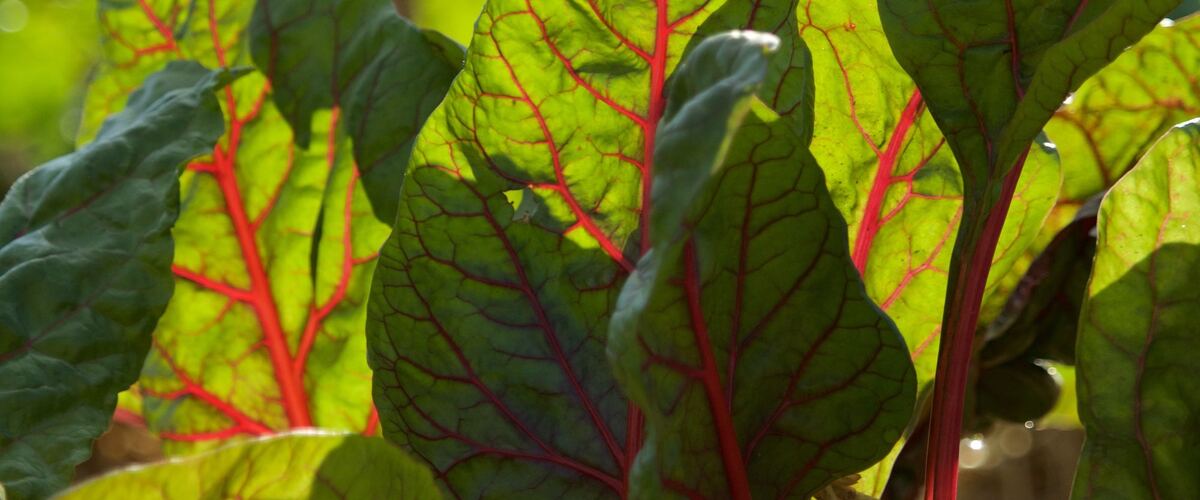
Swiss chard is a beet bred for its leaves instead of its root, with big glossy leaves on thick, crunchy stems. The leaves cook like spinach, and the stems, in white, red, yellow or mixed rainbow blends, can be cooked separately like celery.
Puts Swiss chard on your free plan, with dates for your town and a spot in your beds.
- Difficulty
- Easy
- Sun
- Full sun to part shade
- Spacing
- 10 inches apart
- Planting depth
- ½ inch deep
- Frost
- Handles light frost
- First harvest
- About 55 days after planting
Handles both cool spring weather and summer heat; harvest outer leaves for months.
Swiss chard planting dates
| Towns | Plant in the garden | Plant again for fall |
|---|---|---|
| Portland, OR, Seattle and Tacoma, WA | Mar 15 – May 10 | Aug 6–20 |
| Spokane, WA | Apr 15 – Jun 10 | Aug 3–17 |
| Boise and Meridian, ID, Astoria, OR | Apr 1 – May 27 | Aug 6–20 |
| Bend and Redmond, OR | May 12 – Jul 7 | — |
Dates for six main cities. For any of the other 80 towns, type it in the box at the top of the page or browse all towns.
| Gresham, OR, Oregon City and West Linn, OR, Portland, OR, St. Helens and Scappoose, OR, Wilsonville and Canby, OR | Mar 15 – May 10 | Aug 6–20 |
|---|---|---|
| Hillsboro and Beaverton, OR | Mar 19 – May 14 | Aug 6–20 |
| Corvallis and Albany, OR, Eugene, OR, Salem, OR | Mar 15 – May 10 | Aug 6–20 |
|---|---|---|
| Cottage Grove, OR | Mar 27 – May 22 | Aug 6–20 |
| McMinnville and Newberg, OR | Mar 18 – May 13 | Aug 6–20 |
| Ashland and Talent, OR | Apr 8 – Jun 3 | Jul 30 – Aug 13 |
|---|---|---|
| Grants Pass, OR, Medford, OR, Roseburg, OR | Mar 15 – May 10 | Aug 6–20 |
| Astoria, OR, Brookings and Gold Beach, OR, Coos Bay and North Bend, OR, Newport and Lincoln City, OR, Tillamook, OR | Apr 1 – May 27 | Aug 6–20 |
|---|
| Bend and Redmond, OR, Klamath Falls, OR | May 12 – Jul 7 | — |
|---|---|---|
| Burns, OR | May 14 – Jul 9 | — |
| Lakeview, OR | May 7 – Jul 2 | — |
| Madras, OR | Apr 21 – Jun 16 | Jul 26 – Aug 9 |
| Prineville, OR | May 4 – Jun 29 | Jul 14–28 |
| Baker City, OR | Apr 27 – Jun 22 | Jul 7–21 |
|---|---|---|
| Enterprise and Joseph, OR | Apr 26 – Jun 21 | Jul 23 – Aug 6 |
| Hermiston, OR | Apr 1 – May 27 | Aug 1–15 |
| Hood River, OR | Apr 1 – May 27 | Aug 4–18 |
| John Day, OR | Apr 30 – Jun 25 | Jul 10–24 |
| La Grande, OR | Apr 15 – Jun 10 | Jul 23 – Aug 6 |
| Ontario, OR | Apr 1 – May 27 | Aug 5–19 |
| Pendleton, OR, The Dalles, OR | Apr 1 – May 27 | Aug 6–20 |
| Bremerton and Port Orchard, WA, Everett, WA, Kent, Renton and Auburn, WA, Seattle and Tacoma, WA | Mar 15 – May 10 | Aug 6–20 |
|---|---|---|
| Olympia, WA | Apr 1 – May 27 | Aug 5–19 |
| Shelton, WA | Mar 30 – May 25 | Aug 6–20 |
| Anacortes, WA, Bellingham, WA, Friday Harbor and the San Juans, WA, Mount Vernon and Burlington, WA, Oak Harbor and Whidbey Island, WA | Mar 15 – May 10 | Aug 6–20 |
|---|
| Aberdeen and Hoquiam, WA, Forks, WA, Long Beach and Ilwaco, WA | Apr 1 – May 27 | Aug 6–20 |
|---|---|---|
| Port Angeles, WA, Port Townsend, WA | Mar 15 – May 10 | Aug 6–20 |
| Sequim, WA | Mar 24 – May 19 | Aug 6–20 |
| Centralia and Chehalis, WA | Mar 25 – May 20 | Aug 6–20 |
|---|---|---|
| Longview and Kelso, WA, Vancouver, WA | Mar 15 – May 10 | Aug 6–20 |
| Chelan, WA, Wenatchee, WA | Apr 1 – May 27 | Aug 6–20 |
|---|---|---|
| Leavenworth, WA | Apr 15 – Jun 10 | Jul 22 – Aug 5 |
| Omak and Okanogan, WA | Apr 15 – Jun 10 | Jul 29 – Aug 12 |
| Winthrop and Twisp, WA | Apr 17 – Jun 12 | Jul 14–28 |
| Ellensburg, WA | Apr 15 – Jun 10 | Jul 29 – Aug 12 |
|---|---|---|
| Ephrata and Quincy, WA, Walla Walla, WA | Apr 1 – May 27 | Aug 6–20 |
| Goldendale, WA | Apr 21 – Jun 16 | Jul 17–31 |
| Moses Lake, WA | Apr 1 – May 27 | Jul 30 – Aug 13 |
| Sunnyside, Grandview and Prosser, WA | Apr 3 – May 29 | Jul 28 – Aug 11 |
| Tri-Cities (Pasco, Kennewick, Richland), WA | Apr 1 – May 27 | Aug 2–16 |
| Yakima, WA | Apr 10 – Jun 5 | Jul 26 – Aug 9 |
| Colville, WA, Pullman, WA | Apr 15 – Jun 10 | Jul 24 – Aug 7 |
|---|---|---|
| Spokane, WA | Apr 15 – Jun 10 | Aug 3–17 |
| Bonners Ferry, ID | Apr 15 – Jun 10 | Jul 26 – Aug 9 |
|---|---|---|
| Coeur d'Alene and Post Falls, ID | Apr 15 – Jun 10 | Aug 6–20 |
| Sandpoint, ID | Apr 15 – Jun 10 | Jul 20 – Aug 3 |
| Lewiston, ID | Apr 1 – May 27 | Aug 6–20 |
|---|---|---|
| Moscow, ID | Apr 15 – Jun 10 | Jul 24 – Aug 7 |
| Boise and Meridian, ID | Apr 1 – May 27 | Aug 6–20 |
|---|---|---|
| Emmett, ID | Apr 2 – May 28 | Aug 6–20 |
| McCall, ID | May 25 – Jul 20 | — |
| Nampa and Caldwell, ID | Apr 1 – May 27 | Aug 4–18 |
| Burley and Rupert, ID, Twin Falls, ID | Apr 15 – Jun 10 | Jul 26 – Aug 9 |
|---|---|---|
| Idaho Falls, ID | Apr 15 – Jun 10 | Jul 23 – Aug 6 |
| Pocatello, ID | Apr 15 – Jun 10 | Aug 2–16 |
| Rexburg, ID | Apr 15 – Jun 10 | Jul 16–30 |
| Salmon, ID | Apr 19 – Jun 14 | Jul 16–30 |
Swiss chard year at a glance
| Task | J | F | M | A | M | J | J | A | S | O | N | D |
|---|---|---|---|---|---|---|---|---|---|---|---|---|
| Plant | Mar | Apr | May | Aug | ||||||||
| Harvest | Jun | Jul | Aug | Sep | Oct | Nov | Dec |
Around Portland. Colder towns, especially east of the Cascades, run a few weeks later; the table above has your town's planting dates.
How to grow Swiss chard
- Prepare the bed: loosen the soil and mix in an inch or two of compost.
- Plant seeds on your city's dates, ½ inch deep, 10 inches apart.
- Keep the soil evenly moist until sprouts appear, which can take one to three weeks in cool soil.
- Plant again on your city's dates for a fall harvest.
- Harvest: Cut outer stalks at the base. One planting keeps producing from early summer into winter.
Growing Swiss chard in your part of the Northwest
The same plant behaves differently on the wet west side, the foggy coast and the dry, colder east side.
West-side valleys
Willamette Valley, Puget Sound, southern Oregon
Chard often survives mild winters and starts growing again in early spring. Slugs and leaf miners are the main problems.
Coast
Oregon and Washington coast
Chard grows steadily through the cool summers and keeps going through most winters.
East of the Cascades
Columbia Basin, Yakima, Boise, Spokane, north Idaho
Chard handles summer heat better than spinach or lettuce, so it fills the summer greens gap. Water deeply in hot spells.
High desert and mountain towns
Central Oregon, high eastern Oregon valleys, McCall, Salmon
Chard tolerates frosts in spring and fall. A row cover extends the harvest into late fall.
More Swiss chard varieties
More widely sold picks that do well somewhere in the Northwest. The tag says which part of the Northwest suits each one best.
Bright Lights
Stems in gold, pink, orange, red and white with green or bronze leaves. Mild and productive, it is as pretty in a flower bed as in the vegetable garden.
Both sides
Fordhook Giant
Big, thick white stems and heavily savoyed dark green leaves. Very productive and dependable, it handles both heat and cool weather.
Both sides
Rhubarb
Bright crimson stems and dark green, crinkled leaves. It is a colorful, productive chard that keeps going from summer into fall.
Both sides
Lucullus
Light green, crumpled leaves on wide, pale stems. A long-standing, reliable heirloom with a mild flavor that tolerates heat well.
Both sides
Perpetual Spinach
Technically a chard with thin stems and smooth leaves that taste much like spinach. Unlike true spinach, it doesn't bolt in summer, so you can pick it for months.
Both sides
How much to grow
How many to plant
For a family of four, 6 to 8 plants. They keep producing from early summer into winter.
What to expect
Each plant gives a few large leaves a week for months.
Storing the harvest
Keeps about a week in the fridge. Blanch and freeze leaves; stems are best fresh.
Key numbers
- 50–85°FSoil to sprout
- Low 20s °FTakes frost to
- 6.0–7.0Soil pH
- Several seedlingsEach seed
- 8–12 inchesCut stalks at
- Spring after a winterBolts
Top care tip: Cut the outer stalks at 8 to 12 inches and leave the center, and one planting lasts into winter.
The plant science
The plant biology behind the advice above, in plain language.
A beet grown for its leaves
Swiss chard is the same species as beets, Beta vulgaris, bred for big leaves and stems instead of a swollen root. That's why it shares beets' pests and much of their care. Its seeds are actually dried fruit clusters holding several seeds each, so one seed often produces a small clump of seedlings. Thin to the strongest one.
Soil and water
Chard grows best in fertile soil with a pH of about 6.0 to 7.0 and steady moisture. It's more tolerant of salty or slightly alkaline soil than most leafy greens, which helps east of the Cascades. Give it compost at planting and a little extra nitrogen in midsummer to keep new leaves coming.
Heat and cold
Chard seeds sprout in soil from about 50 to 85°F, and plants handle summer heat far better than spinach or lettuce, without bolting. They also take frost into the low 20s. West of the Cascades, a planting often survives mild winters and produces again in early spring.
Why chard bolts
As a biennial, chard flowers after a period of cold. Plants that came through winter will bolt the next spring, and spring plantings that hit a long cold spell soon after sprouting can bolt early too. Once a flower stalk forms, the leaves get smaller and tougher, so start a new planting.
Pests and diseases
Leaf miners leave pale, winding tunnels and blotches in leaves. Pick off affected leaves early and use row cover over young plants. Cercospora leaf spot causes small round spots with reddish-purple edges in warm, humid weather. Remove spotted leaves and water at the base. Slugs are a constant in the Northwest.
Harvest and kitchen notes
Cut the outer stalks near the base when they're 8 to 12 inches tall, and leave the center to keep growing. Like spinach, chard contains oxalates, which give it a slightly mineral bite; cooking reduces them. Bagged in the fridge, it keeps about a week.
Good neighbors and crop rotation
Good neighbors
- Onions and garlic. Narrow crops that fit between chard plants.
- Bush beans. Similar summer needs; neither shades the other badly.
Beet family: Beets, chard and spinach are close relatives and share leaf miners, whose pupae overwinter in the soil. Rotate them on a two- to three-year cycle.
Pests and problems
What most often goes wrong with Swiss chard in Northwest gardens, how to spot it and what to do.
Leaf miners
Signs: Pale tunnels and blotches in the leaves.
What to do: Pick off affected leaves early and use row cover in spring.
Slugs
Signs: Holes in young leaves on damp nights.
What to do: Iron phosphate bait and evening checks.
Leaf spot
Signs: Small round spots with reddish edges in wet weather.
What to do: Pick off spotted leaves and water at the base.
Common questions about growing Swiss chard
When should I plant Swiss chard in Oregon, Washington and Idaho?
Plant in the garden: Mar 15 – May 10 in Portland and Seattle, Apr 15 – Jun 10 in Spokane, Apr 1 – May 27 in Boise and May 12 – Jul 7 in Bend. Pick your town at the top of the page for your own dates.
Why do several chard seedlings come up from one seed?
Each chard "seed" is really a dried fruit cluster with several seeds inside, the same as beets. Thin each clump to the strongest seedling; the extras are good in salads.
Will Swiss chard survive winter?
Often, west of the Cascades. Chard handles frost into the low 20s, and a mulch or row cover helps it through colder snaps. Plants that survive produce again in early spring before they bolt.
Why is my chard going to seed?
Chard is a biennial and flowers after a period of cold, so overwintered plants bolt in spring. A long cold spell right after a spring sowing can also trigger it. Sow a fresh planting to replace them.
See what else to plant in March, April, May or August.
 Lettuce
 Spinach
 Arugula
 Celery
 Mâche
 Radicchio