
Oregon · Washington · Idaho
When to plant dill
Plant in the garden: Portland and Seattle Mar 15 – May 17; Spokane Apr 15 – Jun 17; Boise Apr 1 – Jun 3; Bend May 12 – Jul 14.
Your dates in
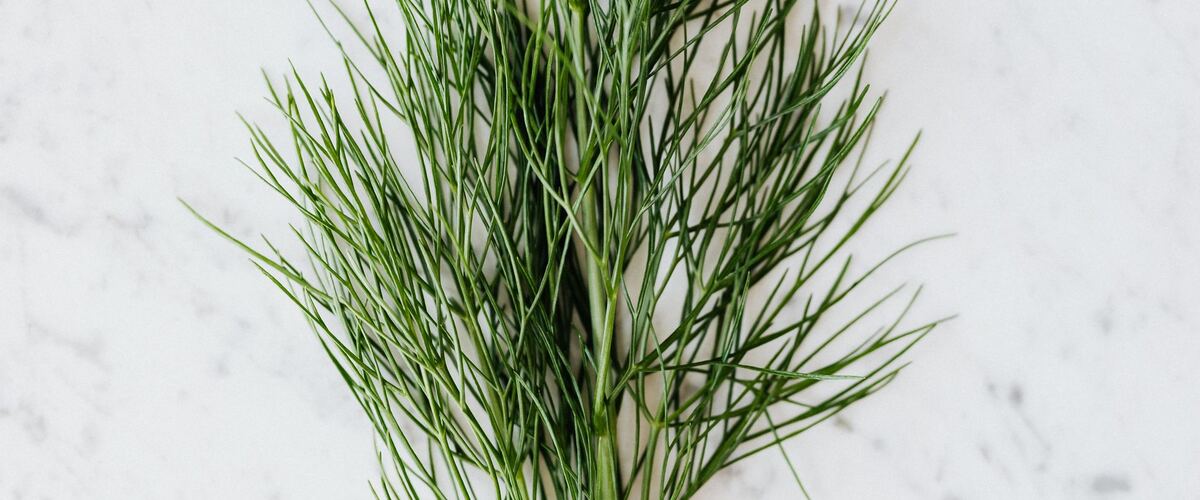
Dill is a tall, feathery annual herb in the carrot family, grown for its leaves (dill weed) and its seed heads. The leaves flavor fish, potatoes and yogurt sauces, while the flower and seed heads go into the jar with dill pickles. The leaves are also food for caterpillars of the anise swallowtail, a big yellow Northwest butterfly.
Puts dill on your free plan, with dates for your town and a spot in your beds.
- Difficulty
- Easy
- Sun
- Full sun
- Spacing
- 12 inches apart
- Planting depth
- ¼ inch deep
- Frost
- Handles light frost
- First harvest
- About 60 days after planting
Doesn't like being transplanted; sow it where it will grow. Let a few plants flower to feed beneficial insects.
Dill planting dates
| Towns | Plant in the garden |
|---|---|
| Portland, OR, Seattle and Tacoma, WA | Mar 15 – May 17 |
| Spokane, WA | Apr 15 – Jun 17 |
| Boise and Meridian, ID, Astoria, OR | Apr 1 – Jun 3 |
| Bend and Redmond, OR | May 12 – Jul 14 |
Dates for six main cities. For any of the other 80 towns, type it in the box at the top of the page or browse all towns.
| Gresham, OR, Oregon City and West Linn, OR, Portland, OR, St. Helens and Scappoose, OR, Wilsonville and Canby, OR | Mar 15 – May 17 |
|---|---|
| Hillsboro and Beaverton, OR | Mar 19 – May 21 |
| Corvallis and Albany, OR, Eugene, OR, Salem, OR | Mar 15 – May 17 |
|---|---|
| Cottage Grove, OR | Mar 27 – May 29 |
| McMinnville and Newberg, OR | Mar 18 – May 20 |
| Ashland and Talent, OR | Apr 8 – Jun 10 |
|---|---|
| Grants Pass, OR, Medford, OR, Roseburg, OR | Mar 15 – May 17 |
| Astoria, OR, Brookings and Gold Beach, OR, Coos Bay and North Bend, OR, Newport and Lincoln City, OR, Tillamook, OR | Apr 1 – Jun 3 |
|---|
| Bend and Redmond, OR, Klamath Falls, OR | May 12 – Jul 14 |
|---|---|
| Burns, OR | May 14 – Jul 16 |
| Lakeview, OR | May 7 – Jul 9 |
| Madras, OR | Apr 21 – Jun 23 |
| Prineville, OR | May 4 – Jul 6 |
| Baker City, OR | Apr 27 – Jun 29 |
|---|---|
| Enterprise and Joseph, OR | Apr 26 – Jun 28 |
| Hermiston, OR, Hood River, OR, Ontario, OR, Pendleton, OR, The Dalles, OR | Apr 1 – Jun 3 |
| John Day, OR | Apr 30 – Jul 2 |
| La Grande, OR | Apr 15 – Jun 17 |
| Bremerton and Port Orchard, WA, Everett, WA, Kent, Renton and Auburn, WA, Seattle and Tacoma, WA | Mar 15 – May 17 |
|---|---|
| Olympia, WA | Apr 1 – Jun 3 |
| Shelton, WA | Mar 30 – Jun 1 |
| Anacortes, WA, Bellingham, WA, Friday Harbor and the San Juans, WA, Mount Vernon and Burlington, WA, Oak Harbor and Whidbey Island, WA | Mar 15 – May 17 |
|---|
| Aberdeen and Hoquiam, WA, Forks, WA, Long Beach and Ilwaco, WA | Apr 1 – Jun 3 |
|---|---|
| Port Angeles, WA, Port Townsend, WA | Mar 15 – May 17 |
| Sequim, WA | Mar 24 – May 26 |
| Centralia and Chehalis, WA | Mar 25 – May 27 |
|---|---|
| Longview and Kelso, WA, Vancouver, WA | Mar 15 – May 17 |
| Chelan, WA, Wenatchee, WA | Apr 1 – Jun 3 |
|---|---|
| Leavenworth, WA, Omak and Okanogan, WA | Apr 15 – Jun 17 |
| Winthrop and Twisp, WA | Apr 17 – Jun 19 |
| Ellensburg, WA | Apr 15 – Jun 17 |
|---|---|
| Ephrata and Quincy, WA, Moses Lake, WA, Tri-Cities (Pasco, Kennewick, Richland), WA, Walla Walla, WA | Apr 1 – Jun 3 |
| Goldendale, WA | Apr 21 – Jun 23 |
| Sunnyside, Grandview and Prosser, WA | Apr 3 – Jun 5 |
| Yakima, WA | Apr 10 – Jun 12 |
| Colville, WA, Pullman, WA, Spokane, WA | Apr 15 – Jun 17 |
|---|
| Bonners Ferry, ID, Coeur d'Alene and Post Falls, ID, Sandpoint, ID | Apr 15 – Jun 17 |
|---|
| Lewiston, ID | Apr 1 – Jun 3 |
|---|---|
| Moscow, ID | Apr 15 – Jun 17 |
| Boise and Meridian, ID, Nampa and Caldwell, ID | Apr 1 – Jun 3 |
|---|---|
| Emmett, ID | Apr 2 – Jun 4 |
| McCall, ID | May 25 – Jul 27 |
| Burley and Rupert, ID, Idaho Falls, ID, Pocatello, ID, Rexburg, ID, Twin Falls, ID | Apr 15 – Jun 17 |
|---|---|
| Salmon, ID | Apr 19 – Jun 21 |
Dill year at a glance
| Task | J | F | M | A | M | J | J | A | S | O | N | D |
|---|---|---|---|---|---|---|---|---|---|---|---|---|
| Plant | Mar | Apr | May | |||||||||
| Harvest | Jun | Jul | Aug | Sep |
Around Portland. Colder towns, especially east of the Cascades, run a few weeks later; the table above has your town's planting dates.
How to grow dill
- Prepare the bed: loosen the soil and mix in an inch or two of compost.
- Plant seeds on your city's dates, ¼ inch deep, 12 inches apart.
- Keep the soil evenly moist until sprouts appear, which can take one to three weeks in cool soil.
- Harvest: Snip leaves any time. For pickling, cut the flower heads just as they open.
Growing dill in your part of the Northwest
The same plant behaves differently on the wet west side, the foggy coast and the dry, colder east side.
West-side valleys
Willamette Valley, Puget Sound, southern Oregon
Dill grows easily and self-seeds. Sow in spring after the soil warms a bit.
Coast
Oregon and Washington coast
Wind can topple tall dill, so stake it or choose compact varieties.
East of the Cascades
Columbia Basin, Yakima, Boise, Spokane, north Idaho
Dill goes to seed fast in heat, so sow every few weeks. Wind topples tall stalks.
High desert and mountain towns
Central Oregon, high eastern Oregon valleys, McCall, Salmon
Dill grows well in cool summers. Sow after the last frost.
More dill varieties
More widely sold picks that do well somewhere in the Northwest. The tag says which part of the Northwest suits each one best.
Fernleaf
A dwarf dill about 18 inches tall that stays upright in wind and rain. It is slow to bolt and fits well in containers and small beds.
Both sides
Bouquet
A popular all-purpose dill with plenty of leaves and large seed heads. It flowers fairly early, making it a good choice for pickling and seed.
Both sides
Mammoth
Also sold as Long Island Mammoth, it grows tall with big flower and seed heads for pickling. Give it a stake or a sheltered spot so it doesn't flop.
Both sides
Dukat
Grown mainly for its abundant, sweet-flavored foliage, with a bright green color. It is slow to go to seed, so you can harvest leaves for longer.
Both sides
Hera
A leafy dill selected to delay flowering, giving a longer harvest of fresh leaves. Useful for repeated sowings through spring and early summer.
Both sides
How much to grow
How many to plant
For a family of four, a 3-foot row, plus a few plants near the cucumbers for pickling.
What to expect
Plenty of leaves from a few plants.
Storing the harvest
Freeze leaves; dried dill loses flavor fast. Dry the seed heads for pickling.
What to plant after dill
Around Portland, the dill harvest wraps up around September. These crops can still go into the same bed, and they come from a different plant family, which helps with rotation.
- Mâche Aug 13 – Sep 17
- Spinach Aug 20 – Sep 10
- Mustard greens Aug 20 – Sep 10
- Arugula Aug 27 – Sep 17
- Radishes Sep 3–17
- Garlic Oct 1 – Nov 15
- Fava beans Oct 1–31
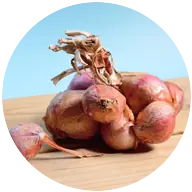
- Shallots Oct 1 – Nov 15
 Mâche
 Spinach
 Mustard greens
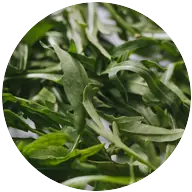 Arugula
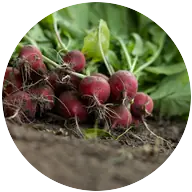 Radishes
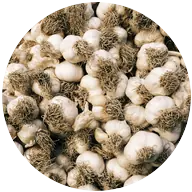 Garlic
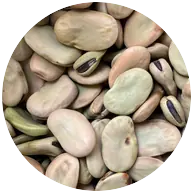 Fava beans
 Shallots
Portland dates. Pick your town at the top of the page for yours.
Key numbers
- 60–70°FSoil to sprout
- 5.8–6.8Soil pH
- About 40 for leavesDays to harvest
- Flopping in windBiggest risk
Top care tip: Sow every few weeks for fresh leaves, and stake tall plants before wind and rain knock them over.
Growing notes
What makes the difference in Northwest gardens, in plain language.
Soil and sowing
Dill grows in average, well-drained soil with a pH around 5.8 to 6.8 and doesn't need much fertilizer. Rich soil makes soft, floppy plants. It has a long taproot and sulks after transplanting, so sow seed where it will grow, about a quarter inch deep, after the soil has warmed a bit. Keep the soil moist until seedlings appear. Sow a few more seeds every three or four weeks through early summer for a steady supply of leaves.
Why dill bolts and how to time it
Dill naturally heads for flowering as summer days get long and warm, and after that it makes few new leaves. If you grow it mainly for leaves, choose Fernleaf or Bouquet and sow several times. If you want flower heads for pickles, time one sowing about two months before cucumbers start producing, since the two are harvested together. Dill and fennel can cross, which spoils the flavor of saved seed, so keep them apart. West of the Cascades, stake taller types or grow compact Fernleaf to handle rain and wind.
Insects, harvest and seed
Dill flowers are excellent for beneficial insects like ladybugs, lacewings and tiny parasitic wasps that help control aphids on nearby crops. Aphids sometimes cluster on dill itself; a spray of water clears them. Snip leaves any time. They wilt fast, so use them quickly or freeze them. For seed, let flower heads turn brown, then cut them into a paper bag to dry. Dill self-sows readily, so expect volunteer seedlings next spring.
Good neighbors and crop rotation
Good neighbors
- Cucumbers. Ready at the same time for pickling.
- Cabbage-family crops. Its flowers draw wasps and hoverflies that prey on caterpillars and aphids.
Keep apart
- Carrots. Dill can cross with carrots if both flower, and shares carrot rust fly.
Carrot family: Carrots, parsnips, celery, parsley, dill and cilantro share pests. Carrot rust fly pupae overwinter in the soil where last year's carrots grew, so plant the next crop as far away as your garden allows and rotate on a three-year cycle.
Pests and problems
What most often goes wrong with dill in Northwest gardens, how to spot it and what to do.
Aphids
Signs: Clusters on the stems.
What to do: Hose them off.
Flopping
Signs: Tall plants fall over.
What to do: Grow compact 'Fernleaf' or stake.
Saving dill seed
Will it come true?
Dill comes true from seed, and plants left to flower usually sow themselves.
How to save it
Cut the flower heads once the seeds turn brown, hang them upside down in a paper bag to finish drying, then shake the seeds loose. Store dry seed in a labeled paper envelope in a cool, dry place.
Common questions about growing dill
When should I plant dill in Oregon, Washington and Idaho?
Plant in the garden: Mar 15 – May 17 in Portland and Seattle, Apr 15 – Jun 17 in Spokane, Apr 1 – Jun 3 in Boise and May 12 – Jul 14 in Bend. Pick your town at the top of the page for your own dates.
Why is my dill flowering so soon?
Long, warm days push dill to flower. Sow small batches every few weeks and choose leafy types like Fernleaf. Letting some plants flower is fine; they feed beneficial insects.
Can I transplant dill?
Dill has a taproot and usually stalls or bolts after being moved. Sow it directly in the garden instead. If you do buy starts, plant them young and disturb the roots as little as possible.
When do I harvest dill for pickles?
Cut the flower heads just as they open, when they are still bright yellow. Plan a sowing about two months before your cucumbers are ready so both crops line up.
See what else to plant in March, April or May.
 Basil
 Cilantro
 Parsley
 Chives
 Mint
 Rosemary
 Thyme
 Oregano
 Lavender
 Sage
 Tarragon
 Lemon balm