
Oregon · Washington · Idaho
When to plant fig trees
Plant in the garden: Portland and Seattle Mar 15 – May 10; Spokane Apr 15 – Jun 10; Boise Apr 1 – May 27; Bend May 12 – Jul 7.
Your dates in
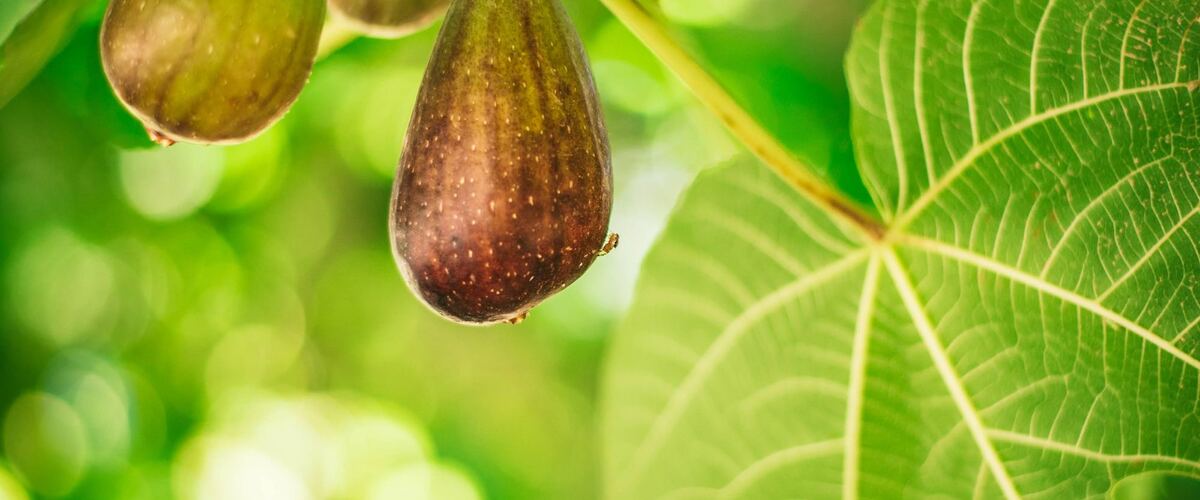
Figs are fast-growing, shrubby trees from the Mediterranean and Middle East, grown for soft, sweet fruit eaten fresh, dried or in jam. What looks like the fruit is actually a hollow structure lined with tiny flowers on the inside. Common figs, the type sold for home gardens, ripen fruit without pollination, so one tree is enough.
Puts fig trees on your free plan, with dates for your town and a spot in your beds.
- Difficulty
- Moderate
- Sun
- Full sun; against a warm south or west wall
- Spacing
- 10 to 15 feet apart
- Planting depth
- Same depth as in the pot, or a little deeper
- Frost
- Hardy to about 10 to 15°F once established; young trees need protection
- First harvest
- Often a few figs in the first two years
West of the Cascades, the early (breba) crop ripens most reliably, so pick a variety like Desert King that sets one. Plant against a south or west wall. In cold eastern areas, grow figs in large pots and move them into a garage for winter.
Fig planting dates
| Towns | Plant in the garden |
|---|---|
| Portland, OR, Seattle and Tacoma, WA | Mar 15 – May 10 |
| Spokane, WA | Apr 15 – Jun 10 |
| Boise and Meridian, ID, Astoria, OR | Apr 1 – May 27 |
| Bend and Redmond, OR | May 12 – Jul 7 |
Dates for six main cities. For any of the other 80 towns, type it in the box at the top of the page or browse all towns.
| Gresham, OR, Oregon City and West Linn, OR, Portland, OR, St. Helens and Scappoose, OR, Wilsonville and Canby, OR | Mar 15 – May 10 |
|---|---|
| Hillsboro and Beaverton, OR | Mar 19 – May 14 |
| Corvallis and Albany, OR, Eugene, OR, Salem, OR | Mar 15 – May 10 |
|---|---|
| Cottage Grove, OR | Mar 27 – May 22 |
| McMinnville and Newberg, OR | Mar 18 – May 13 |
| Ashland and Talent, OR | Apr 8 – Jun 3 |
|---|---|
| Grants Pass, OR, Medford, OR, Roseburg, OR | Mar 15 – May 10 |
| Astoria, OR, Brookings and Gold Beach, OR, Coos Bay and North Bend, OR, Newport and Lincoln City, OR, Tillamook, OR | Apr 1 – May 27 |
|---|
| Bend and Redmond, OR, Klamath Falls, OR | May 12 – Jul 7 |
|---|---|
| Burns, OR | May 14 – Jul 9 |
| Lakeview, OR | May 7 – Jul 2 |
| Madras, OR | Apr 21 – Jun 16 |
| Prineville, OR | May 4 – Jun 29 |
| Baker City, OR | Apr 27 – Jun 22 |
|---|---|
| Enterprise and Joseph, OR | Apr 26 – Jun 21 |
| Hermiston, OR, Hood River, OR, Ontario, OR, Pendleton, OR, The Dalles, OR | Apr 1 – May 27 |
| John Day, OR | Apr 30 – Jun 25 |
| La Grande, OR | Apr 15 – Jun 10 |
| Bremerton and Port Orchard, WA, Everett, WA, Kent, Renton and Auburn, WA, Seattle and Tacoma, WA | Mar 15 – May 10 |
|---|---|
| Olympia, WA | Apr 1 – May 27 |
| Shelton, WA | Mar 30 – May 25 |
| Anacortes, WA, Bellingham, WA, Friday Harbor and the San Juans, WA, Mount Vernon and Burlington, WA, Oak Harbor and Whidbey Island, WA | Mar 15 – May 10 |
|---|
| Aberdeen and Hoquiam, WA, Forks, WA, Long Beach and Ilwaco, WA | Apr 1 – May 27 |
|---|---|
| Port Angeles, WA, Port Townsend, WA | Mar 15 – May 10 |
| Sequim, WA | Mar 24 – May 19 |
| Centralia and Chehalis, WA | Mar 25 – May 20 |
|---|---|
| Longview and Kelso, WA, Vancouver, WA | Mar 15 – May 10 |
| Chelan, WA, Wenatchee, WA | Apr 1 – May 27 |
|---|---|
| Leavenworth, WA, Omak and Okanogan, WA | Apr 15 – Jun 10 |
| Winthrop and Twisp, WA | Apr 17 – Jun 12 |
| Ellensburg, WA | Apr 15 – Jun 10 |
|---|---|
| Ephrata and Quincy, WA, Moses Lake, WA, Tri-Cities (Pasco, Kennewick, Richland), WA, Walla Walla, WA | Apr 1 – May 27 |
| Goldendale, WA | Apr 21 – Jun 16 |
| Sunnyside, Grandview and Prosser, WA | Apr 3 – May 29 |
| Yakima, WA | Apr 10 – Jun 5 |
| Colville, WA, Pullman, WA, Spokane, WA | Apr 15 – Jun 10 |
|---|
| Bonners Ferry, ID, Coeur d'Alene and Post Falls, ID, Sandpoint, ID | Apr 15 – Jun 10 |
|---|
| Lewiston, ID | Apr 1 – May 27 |
|---|---|
| Moscow, ID | Apr 15 – Jun 10 |
| Boise and Meridian, ID, Nampa and Caldwell, ID | Apr 1 – May 27 |
|---|---|
| Emmett, ID | Apr 2 – May 28 |
| McCall, ID | May 25 – Jul 20 |
| Burley and Rupert, ID, Idaho Falls, ID, Pocatello, ID, Rexburg, ID, Twin Falls, ID | Apr 15 – Jun 10 |
|---|---|
| Salmon, ID | Apr 19 – Jun 14 |
Fig year at a glance
| Task | J | F | M | A | M | J | J | A | S | O | N | D |
|---|---|---|---|---|---|---|---|---|---|---|---|---|
| Plant | Mar | Apr | May | |||||||||
| Harvest | Jul | Aug | Sep | Oct |
Around Portland. Colder towns, especially east of the Cascades, run a few weeks later; the table above has your town's planting dates. Harvest months are for an established plant.
How to grow fig trees
- Pick a sunny spot with soil that drains well, and mix in an inch or two of compost.
- Plant fig trees on your city's dates, 10 to 15 feet apart. Same depth as in the pot, or a little deeper.
- Water deeply through the first summer. Mulch the base heavily in fall, and wrap young trees in frost cloth when temperatures drop toward the teens.
- Harvest: Figs don't ripen after picking. Wait until they droop on the stem, feel soft and the skin starts to crack slightly.
Growing fig trees in your part of the Northwest
The same plant behaves differently on the wet west side, the foggy coast and the dry, colder east side.
West-side valleys
Willamette Valley, Puget Sound, southern Oregon
Desert King gives a reliable early (breba) crop in summer from buds formed the year before. The main crop needs a long, warm summer and often doesn't ripen before fall rain.
Coast
Oregon and Washington coast
The main crop rarely ripens in cool summers. Desert King's early breba crop, on a sunny wall, is the best chance of fruit.
East of the Cascades
Columbia Basin, Yakima, Boise, Spokane, north Idaho
Summers are hot enough to ripen figs, but winter cold often kills them to the ground. The warmest valleys, like Lewiston and Boise, give the best chance, with heavy mulch or a pot that comes inside for winter.
High desert and mountain towns
Central Oregon, high eastern Oregon valleys, McCall, Salmon
Figs don't survive winter outdoors here; grow one in a pot that winters in a garage.
More fig varieties
More widely sold picks that do well somewhere in the Northwest. The tag says which part of the Northwest suits each one best.
Desert King
Bears a large, sweet breba crop on last year's wood, so it ripens fruit even in cool Northwest summers. Green skin and strawberry-red flesh; one of the most reliable figs west of the Cascades.
Coast and west side
Lattarula
Light green figs with amber, honey-sweet flesh. It is productive in cool summers and is one of the most widely grown figs in west-side gardens.
West side
Brown Turkey
The most common fig in garden centers, with medium brown-purple fruit and mild, sweet pink flesh. Fairly cold-hardy, it often regrows and fruits even after freezing back.
Both sides
Chicago Hardy
One of the hardiest figs, it can die to the ground in a hard freeze and still fruit on new growth the same summer. Good for colder east-side or higher-elevation gardens.
East side
Olympian
A large, purple-brown, sweet fig found growing in Olympia, Washington. It is known for good cold hardiness and for ripening a main crop in cool maritime summers.
West side
Violette de Bordeaux
Small, nearly black figs with rich, berry-like red flesh. The plant stays compact, making it a good fig for large pots that can be moved to shelter in cold snaps.
West side
How much to grow
How many to plant
One tree is plenty for most households. Figs don't need a pollinator.
What to expect
A mature tree can give 20 to 50 pounds a year in a warm spot.
Storing the harvest
Fresh figs keep only two or three days in the fridge. Dry or freeze extras.
Key numbers
- 10–15°F, establishedCold hardiness
- Not neededPollination
- South or west wallBest spot
- Breba, early summerReliable crop (west)
Top care tip: Mulch the base heavily each fall so the roots survive a hard freeze even if the top dies back.
Growing notes
What makes the difference in Northwest gardens, in plain language.
Two crops a year, and why it matters here
Many figs make two crops. The breba crop forms on last year's wood and ripens in early to mid summer. The main crop forms on this year's new growth and ripens in late summer and fall. In cool west-side summers, the main crop often runs out of warmth before it finishes, so varieties that set a good breba crop, like Desert King, are the most dependable choice.
Lattarula, Brown Turkey and Chicago Hardy can ripen a main crop in warm spots or in warmer years. Common figs like these set fruit without pollination, so one tree is plenty.
Planting and winter protection
Plant figs where they'll get the most heat: against a south or west wall, a fence or pavement that holds warmth. They aren't fussy about soil as long as it drains. Water deeply through the first summer, then occasionally in dry spells.
Young trees are the most vulnerable to hard freezes. Mulch the base well in fall and wrap the tree in frost cloth when temperatures head toward the teens. Even if the top dies, figs usually regrow from the roots, though you'll lose a year or two of fruit. In cold eastern areas, grow figs in large pots and move them into an unheated garage for winter.
Pruning and harvest
Figs need little pruning. Remove dead and crossing wood in late winter once the worst cold is past. Avoid cutting back every branch, since the breba crop grows on last year's wood and heavy pruning removes it.
Pick figs when they droop on the stem, feel soft and the skin starts to crack slightly. An unripe fig will not ripen on the counter. Birds and wasps find ripe figs quickly, so check daily during harvest.
Good neighbors
Good neighbors
- A south or west wall. Stored heat ripens the fruit.
Pests and problems
What most often goes wrong with fig trees in Northwest gardens, how to spot it and what to do.
Hard freezes
Signs: Young trees die back to the ground.
What to do: Protect young trees in cold snaps; they often regrow from the roots.
Late figs that won't ripen
Signs: Green fruit at the end of the season.
What to do: Pick early varieties; remove unripe fruit in fall.
Birds and wasps
Signs: Pecked and hollowed fruit.
What to do: Pick as soon as figs droop and soften.
Common questions about growing fig trees
When should I plant fig trees in Oregon, Washington and Idaho?
Plant in the garden: Mar 15 – May 10 in Portland and Seattle, Apr 15 – Jun 10 in Spokane, Apr 1 – May 27 in Boise and May 12 – Jul 7 in Bend. Pick your town at the top of the page for your own dates.
Can figs grow in Seattle or Portland?
Yes. Figs do well west of the Cascades when planted in a warm, sunny spot. Choose a variety with a reliable early crop like Desert King, and protect young trees in hard freezes.
Why do my figs fall off before they ripen?
Small green figs that form in late summer are main-crop figs that run out of heat in a cool fall. They drop or stay hard over winter. This is normal west of the Cascades; the breba crop the next summer is the one to count on.
Do figs need a pollinator?
No. The common figs sold for home gardens set fruit without pollination, so a single tree will bear on its own.
See what else to plant in March, April or May.
 Apple trees
 Pear trees
 Plum trees
 Cherry trees
 Peach trees
 Hazelnut trees
 Asian pear trees
 Persimmon trees
 Quince trees
 Mulberry trees