
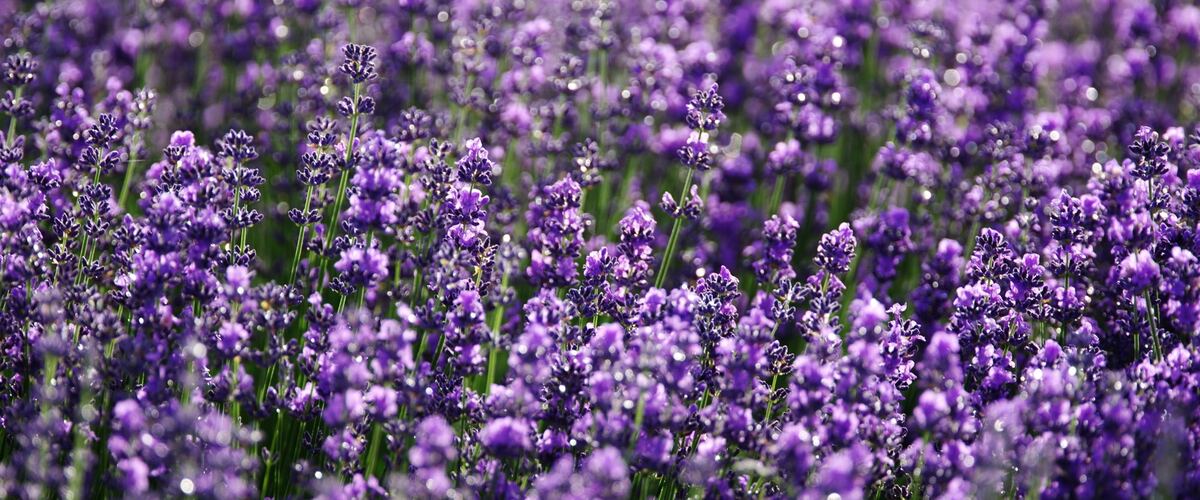
Oregon · Washington · Idaho
When to plant lavender
Plant in the garden: Portland and Seattle Mar 15 – May 10; Spokane Apr 15 – Jun 10; Boise Apr 1 – May 27; Bend May 12 – Jul 7.
Your dates in
Lavender is a woody Mediterranean shrub in the mint family, grown for fragrant flower spikes used fresh, dried in sachets and bundles, in baking and for oil. English lavender (Lavandula angustifolia) is the hardiest kind and the one used in cooking. Lavandins are bigger hybrids with long stems and a stronger, sharper scent, grown mostly for oil and dried bundles.
Puts lavender on your free plan, with dates for your town and a spot in your beds.
- Difficulty
- Easy
- Sun
- Full sun
- Spacing
- 18 to 36 inches apart, depending on variety
- Planting depth
- Plant at the depth it grew in the nursery pot
- Frost
- English types handle about −10°F in well-drained soil
- First harvest
- Light blooms the first summer; full harvests from year two
Sequim, Washington calls itself the Lavender Capital of North America, and lavender loves dry Northwest summers. The one thing it can't take is wet winter soil, so plant on a mound, slope or raised bed.
Lavender planting dates
| Towns | Plant in the garden |
|---|---|
| Portland, OR, Seattle and Tacoma, WA | Mar 15 – May 10 |
| Spokane, WA | Apr 15 – Jun 10 |
| Boise and Meridian, ID, Astoria, OR | Apr 1 – May 27 |
| Bend and Redmond, OR | May 12 – Jul 7 |
Dates for six main cities. For any of the other 80 towns, type it in the box at the top of the page or browse all towns.
| Gresham, OR, Oregon City and West Linn, OR, Portland, OR, St. Helens and Scappoose, OR, Wilsonville and Canby, OR | Mar 15 – May 10 |
|---|---|
| Hillsboro and Beaverton, OR | Mar 19 – May 14 |
| Corvallis and Albany, OR, Eugene, OR, Salem, OR | Mar 15 – May 10 |
|---|---|
| Cottage Grove, OR | Mar 27 – May 22 |
| McMinnville and Newberg, OR | Mar 18 – May 13 |
| Ashland and Talent, OR | Apr 8 – Jun 3 |
|---|---|
| Grants Pass, OR, Medford, OR, Roseburg, OR | Mar 15 – May 10 |
| Astoria, OR, Brookings and Gold Beach, OR, Coos Bay and North Bend, OR, Newport and Lincoln City, OR, Tillamook, OR | Apr 1 – May 27 |
|---|
| Bend and Redmond, OR, Klamath Falls, OR | May 12 – Jul 7 |
|---|---|
| Burns, OR | May 14 – Jul 9 |
| Lakeview, OR | May 7 – Jul 2 |
| Madras, OR | Apr 21 – Jun 16 |
| Prineville, OR | May 4 – Jun 29 |
| Baker City, OR | Apr 27 – Jun 22 |
|---|---|
| Enterprise and Joseph, OR | Apr 26 – Jun 21 |
| Hermiston, OR, Hood River, OR, Ontario, OR, Pendleton, OR, The Dalles, OR | Apr 1 – May 27 |
| John Day, OR | Apr 30 – Jun 25 |
| La Grande, OR | Apr 15 – Jun 10 |
| Bremerton and Port Orchard, WA, Everett, WA, Kent, Renton and Auburn, WA, Seattle and Tacoma, WA | Mar 15 – May 10 |
|---|---|
| Olympia, WA | Apr 1 – May 27 |
| Shelton, WA | Mar 30 – May 25 |
| Anacortes, WA, Bellingham, WA, Friday Harbor and the San Juans, WA, Mount Vernon and Burlington, WA, Oak Harbor and Whidbey Island, WA | Mar 15 – May 10 |
|---|
| Aberdeen and Hoquiam, WA, Forks, WA, Long Beach and Ilwaco, WA | Apr 1 – May 27 |
|---|---|
| Port Angeles, WA, Port Townsend, WA | Mar 15 – May 10 |
| Sequim, WA | Mar 24 – May 19 |
| Centralia and Chehalis, WA | Mar 25 – May 20 |
|---|---|
| Longview and Kelso, WA, Vancouver, WA | Mar 15 – May 10 |
| Chelan, WA, Wenatchee, WA | Apr 1 – May 27 |
|---|---|
| Leavenworth, WA, Omak and Okanogan, WA | Apr 15 – Jun 10 |
| Winthrop and Twisp, WA | Apr 17 – Jun 12 |
| Ellensburg, WA | Apr 15 – Jun 10 |
|---|---|
| Ephrata and Quincy, WA, Moses Lake, WA, Tri-Cities (Pasco, Kennewick, Richland), WA, Walla Walla, WA | Apr 1 – May 27 |
| Goldendale, WA | Apr 21 – Jun 16 |
| Sunnyside, Grandview and Prosser, WA | Apr 3 – May 29 |
| Yakima, WA | Apr 10 – Jun 5 |
| Colville, WA, Pullman, WA, Spokane, WA | Apr 15 – Jun 10 |
|---|
| Bonners Ferry, ID, Coeur d'Alene and Post Falls, ID, Sandpoint, ID | Apr 15 – Jun 10 |
|---|
| Lewiston, ID | Apr 1 – May 27 |
|---|---|
| Moscow, ID | Apr 15 – Jun 10 |
| Boise and Meridian, ID, Nampa and Caldwell, ID | Apr 1 – May 27 |
|---|---|
| Emmett, ID | Apr 2 – May 28 |
| McCall, ID | May 25 – Jul 20 |
| Burley and Rupert, ID, Idaho Falls, ID, Pocatello, ID, Rexburg, ID, Twin Falls, ID | Apr 15 – Jun 10 |
|---|---|
| Salmon, ID | Apr 19 – Jun 14 |
Lavender year at a glance
| Task | J | F | M | A | M | J | J | A | S | O | N | D |
|---|---|---|---|---|---|---|---|---|---|---|---|---|
| Plant | Mar | Apr | May | |||||||||
| In bloom | Jun | Jul | Aug |
Around Portland. Colder towns, especially east of the Cascades, run a few weeks later; the table above has your town's planting dates.
How to grow lavender
- Pick a sunny spot with soil that drains well, and mix in an inch or two of compost.
- Plant lavender plants on your city's dates, 18 to 36 inches apart, depending on variety. Plant at the depth it grew in the nursery pot.
- Water through the first summer only. After flowering, cut plants back by about a third, but never into bare, leafless wood, which won't regrow.
- Harvest: For drying, cut stems when the lowest flowers on each spike have just opened. Hang small bunches upside down in a dark, airy place.
Growing lavender in your part of the Northwest
The same plant behaves differently on the wet west side, the foggy coast and the dry, colder east side.
West-side valleys
Willamette Valley, Puget Sound, southern Oregon
Wet, heavy soil kills more lavender than cold. Plant in raised beds or slopes with gravel mixed in. English lavender is the hardiest type.
Coast
Oregon and Washington coast
Winter wet is the challenge on most of the coast, but the dry Olympic rain shadow around Sequim is famous for lavender farms.
East of the Cascades
Columbia Basin, Yakima, Boise, Spokane, north Idaho
Lavender thrives in the dry, sunny east-side climate and handles alkaline soil.
High desert and mountain towns
Central Oregon, high eastern Oregon valleys, McCall, Salmon
English lavender is hardy here. Plant in well-drained soil and full sun.
More lavender varieties
More widely sold picks that do well somewhere in the Northwest. The tag says which part of the Northwest suits each one best.
Hidcote
Deep purple flowers on a compact, tidy plant. Very cold-hardy and great for edging, drying and cooking, as long as it has sharp drainage.
Both sides
Munstead
Lavender-blue flowers on an early-blooming, compact plant. Cold-hardy and fragrant, it is a classic for low hedges and culinary use.
Both sides
Grosso
A large, vigorous lavandin with long stems of very fragrant purple flowers. It is the top choice for oil, sachets and big dried bundles.
Both sides
Phenomenal
A silvery, mounding lavandin known for handling both cold and wet winters better than most. Fragrant purple spikes on a uniform, tough plant.
Both sides
Provence
A tall lavandin with pale purple, very fragrant flowers on long stems. Popular for drying and crafts, and a sweeter-scented option for cooking than most lavandins.
Both sides
Folgate
Blue-violet flowers with a sweet, mild fragrance that make it a favorite for culinary lavender. Compact and cold-hardy, it blooms early.
Both sides
How much to grow
How many to plant
One to three plants for scent and drying; plant 5 or more for a hedge.
What to expect
About 3 to 8 bundles of dried stems per plant each summer.
Storing the harvest
Dried flowers keep their scent for a year in a closed jar.
Key numbers
- 6.5–8.0Soil pH
- First summer onlyWater
- After bloom, by a thirdPrune
- Wet winter soilBiggest risk
Top care tip: Cut plants back by about a third after flowering, but never into bare wood, which won't regrow.
Growing notes
What makes the difference in Northwest gardens, in plain language.
Drainage and soil
Lavender grows wild on dry, rocky hillsides, and its roots need air as much as water. In the heavy, wet soils common west of the Cascades, roots rot over winter. Plant on a mound, slope or raised bed with gravelly soil, and use gravel instead of bark mulch, which holds moisture against the crown.
Lavender likes neutral to slightly alkaline soil and very little fertilizer. Rich soil grows soft, floppy plants that are less fragrant and more likely to die in winter. Water through the first summer, then only in long droughts.
English lavender vs lavandin
English lavenders like Hidcote and Munstead are compact, very cold hardy and the best choice for cooking, with a sweet scent. Lavandins like Grosso are hybrids that grow larger, bloom a bit later and have a stronger, more camphor-like scent. They're the classic choice for drying, sachets and oil, but they're slightly less cold hardy.
Spanish lavender, with its rabbit-ear petals, is the least hardy and often dies in cold eastern winters.
Pruning and lifespan
Lavender turns woody as it ages, and it won't sprout from old, bare wood. The fix is regular pruning: right after flowering, cut each plant back by about a third, leaving green, leafy growth below the cut. Plants pruned this way every year stay rounded and full for many years.
East of the Cascades, dry summers and well-drained soils suit lavender well, but cold winter winds can dry out plants; a sheltered spot helps.
Good neighbors
Good neighbors
- Rosemary and thyme. Same dry, sunny, lean-soil needs.
Keep apart
- Thirsty vegetables. Lavender rots when watered like a vegetable bed.
Pests and problems
What most often goes wrong with lavender in Northwest gardens, how to spot it and what to do.
Root rot
Signs: Plants brown and die in winter.
What to do: Gravelly soil and a mound or slope.
Woody, splitting plants
Signs: Open centers after a few years.
What to do: Prune after flowering, cutting into green growth but not bare wood.
Common questions about growing lavender
When should I plant lavender in Oregon, Washington and Idaho?
Plant in the garden: Mar 15 – May 10 in Portland and Seattle, Apr 15 – Jun 10 in Spokane, Apr 1 – May 27 in Boise and May 12 – Jul 7 in Bend. Pick your town at the top of the page for your own dates.
Why is my lavender dying?
Most often it's wet roots, from heavy soil, poor drainage, overwatering or bark mulch against the crown. Old, woody plants that were never pruned also decline. Replant in a mound of gravelly soil and prune yearly after bloom.
Can I cook with any lavender?
English lavenders like Hidcote and Munstead have the sweetest flavor and are the usual culinary choice. Lavandins like Grosso taste stronger and more bitter. Use a light hand, since a little goes a long way.
When should I prune lavender?
Right after the main bloom in summer, cutting back by about a third into leafy growth. A light tidy in spring is fine, but never cut into bare wood with no leaves, which won't regrow.
See what else to plant in March, April or May.
 Basil
 Cilantro
 Parsley
 Dill
 Chives
 Mint
 Rosemary
 Thyme
 Oregano
 Sage
 Tarragon
 Lemon balm