
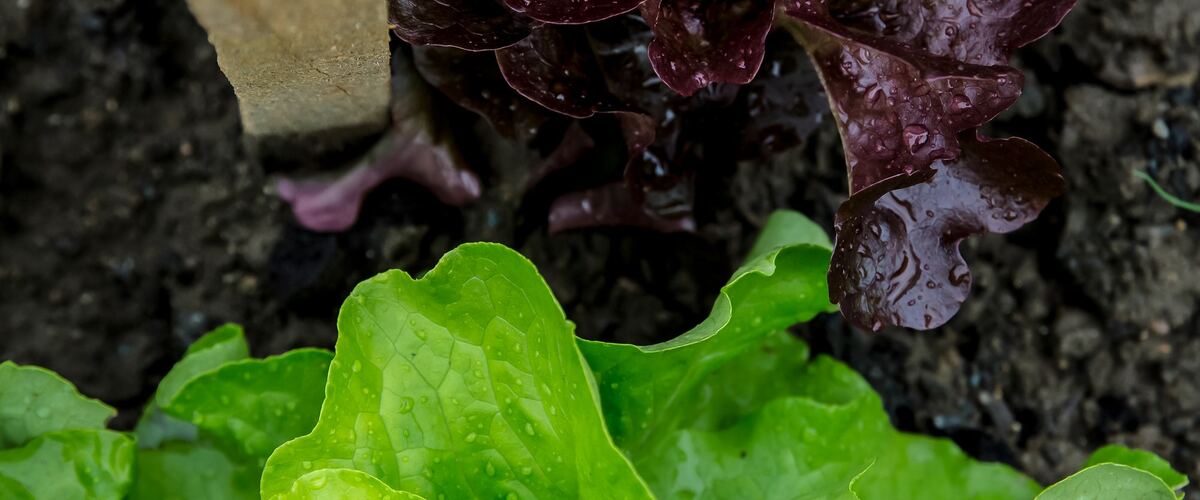
Oregon · Washington · Idaho
When to plant lettuce
Plant in the garden: Portland and Seattle Mar 1 – Apr 26; Spokane Apr 1 – May 27; Boise Mar 20 – May 15; Bend Apr 28 – Jun 23.
Your dates in
Lettuce is a leafy plant in the daisy family grown almost entirely for raw salads and sandwiches. It comes in four broad types: loose-leaf, soft butterhead, tall, crunchy romaine and crisp iceberg-style heads, which take the longest to mature. Leaf types can be picked a few outer leaves at a time for weeks instead of cut all at once.
Puts lettuce on your free plan, with dates for your town and a spot in your beds.
- Difficulty
- Easy
- Sun
- Full sun in spring; afternoon shade in summer
- Spacing
- 8 to 10 inches apart for heads
- Planting depth
- ¼ inch deep (it needs light to sprout)
- Frost
- Handles light frost
- First harvest
- About 50 days after planting
Tolerates light frost. Sow every two to three weeks; choose heat-tolerant types for later sowings.
Lettuce planting dates
| Towns | Start seeds indoors | Plant in the garden | Plant again for fall |
|---|---|---|---|
| Portland, OR, Seattle and Tacoma, WA | Jan 18 – Feb 1 | Mar 1 – Apr 26 | Aug 20 – Sep 3 |
| Spokane, WA | Feb 18 – Mar 4 | Apr 1 – May 27 | Aug 17–31 |
| Boise and Meridian, ID | Feb 6–20 | Mar 20 – May 15 | Aug 20 – Sep 3 |
| Bend and Redmond, OR | Mar 17–31 | Apr 28 – Jun 23 | Jul 20 – Aug 3 |
| Astoria, OR | Feb 11–25 | Mar 25 – May 20 | Aug 20 – Sep 3 |
Dates for six main cities. For any of the other 80 towns, type it in the box at the top of the page or browse all towns.
| Gresham, OR, Oregon City and West Linn, OR, Portland, OR, St. Helens and Scappoose, OR, Wilsonville and Canby, OR | Jan 18 – Feb 1 | Mar 1 – Apr 26 | Aug 20 – Sep 3 |
|---|---|---|---|
| Hillsboro and Beaverton, OR | Jan 22 – Feb 5 | Mar 5 – Apr 30 | Aug 20 – Sep 3 |
| Corvallis and Albany, OR, Eugene, OR, Salem, OR | Jan 18 – Feb 1 | Mar 1 – Apr 26 | Aug 20 – Sep 3 |
|---|---|---|---|
| Cottage Grove, OR | Jan 30 – Feb 13 | Mar 13 – May 8 | Aug 20 – Sep 3 |
| McMinnville and Newberg, OR | Jan 21 – Feb 4 | Mar 4 – Apr 29 | Aug 20 – Sep 3 |
| Ashland and Talent, OR | Feb 11–25 | Mar 25 – May 20 | Aug 13–27 |
|---|---|---|---|
| Grants Pass, OR, Medford, OR, Roseburg, OR | Jan 18 – Feb 1 | Mar 1 – Apr 26 | Aug 20 – Sep 3 |
| Astoria, OR, Brookings and Gold Beach, OR, Coos Bay and North Bend, OR, Newport and Lincoln City, OR, Tillamook, OR | Feb 11–25 | Mar 25 – May 20 | Aug 20 – Sep 3 |
|---|
| Bend and Redmond, OR | Mar 17–31 | Apr 28 – Jun 23 | Jul 20 – Aug 3 |
|---|---|---|---|
| Burns, OR | Mar 19 – Apr 2 | Apr 30 – Jun 25 | Jul 12–26 |
| Klamath Falls, OR | Mar 17–31 | Apr 28 – Jun 23 | Jul 24 – Aug 7 |
| Lakeview, OR | Mar 12–26 | Apr 23 – Jun 18 | Jul 23 – Aug 6 |
| Madras, OR | Mar 9–23 | Apr 20 – Jun 15 | Aug 9–23 |
| Prineville, OR | Mar 9–23 | Apr 20 – Jun 15 | Jul 28 – Aug 11 |
| Baker City, OR | Mar 9–23 | Apr 20 – Jun 15 | Jul 21 – Aug 4 |
|---|---|---|---|
| Enterprise and Joseph, OR | Mar 9–23 | Apr 20 – Jun 15 | Aug 6–20 |
| Hermiston, OR | Feb 6–20 | Mar 20 – May 15 | Aug 15–29 |
| Hood River, OR | Feb 6–20 | Mar 20 – May 15 | Aug 18 – Sep 1 |
| John Day, OR | Mar 9–23 | Apr 20 – Jun 15 | Jul 24 – Aug 7 |
| La Grande, OR | Feb 18 – Mar 4 | Apr 1 – May 27 | Aug 6–20 |
| Ontario, OR | Feb 6–20 | Mar 20 – May 15 | Aug 19 – Sep 2 |
| Pendleton, OR, The Dalles, OR | Feb 6–20 | Mar 20 – May 15 | Aug 20 – Sep 3 |
| Bremerton and Port Orchard, WA, Everett, WA, Kent, Renton and Auburn, WA, Seattle and Tacoma, WA | Jan 18 – Feb 1 | Mar 1 – Apr 26 | Aug 20 – Sep 3 |
|---|---|---|---|
| Olympia, WA | Feb 4–18 | Mar 18 – May 13 | Aug 19 – Sep 2 |
| Shelton, WA | Feb 2–16 | Mar 16 – May 11 | Aug 20 – Sep 3 |
| Anacortes, WA, Bellingham, WA, Friday Harbor and the San Juans, WA, Mount Vernon and Burlington, WA, Oak Harbor and Whidbey Island, WA | Jan 18 – Feb 1 | Mar 1 – Apr 26 | Aug 20 – Sep 3 |
|---|
| Aberdeen and Hoquiam, WA, Forks, WA, Long Beach and Ilwaco, WA | Feb 11–25 | Mar 25 – May 20 | Aug 20 – Sep 3 |
|---|---|---|---|
| Port Angeles, WA, Port Townsend, WA | Jan 18 – Feb 1 | Mar 1 – Apr 26 | Aug 20 – Sep 3 |
| Sequim, WA | Jan 27 – Feb 10 | Mar 10 – May 5 | Aug 20 – Sep 3 |
| Centralia and Chehalis, WA | Jan 28 – Feb 11 | Mar 11 – May 6 | Aug 20 – Sep 3 |
|---|---|---|---|
| Longview and Kelso, WA, Vancouver, WA | Jan 18 – Feb 1 | Mar 1 – Apr 26 | Aug 20 – Sep 3 |
| Chelan, WA, Wenatchee, WA | Feb 6–20 | Mar 20 – May 15 | Aug 20 – Sep 3 |
|---|---|---|---|
| Leavenworth, WA | Feb 18 – Mar 4 | Apr 1 – May 27 | Aug 5–19 |
| Omak and Okanogan, WA | Feb 18 – Mar 4 | Apr 1 – May 27 | Aug 12–26 |
| Winthrop and Twisp, WA | Feb 20 – Mar 6 | Apr 3 – May 29 | Jul 28 – Aug 11 |
| Ellensburg, WA | Feb 18 – Mar 4 | Apr 1 – May 27 | Aug 12–26 |
|---|---|---|---|
| Ephrata and Quincy, WA, Walla Walla, WA | Feb 6–20 | Mar 20 – May 15 | Aug 20 – Sep 3 |
| Goldendale, WA | Feb 24 – Mar 10 | Apr 7 – Jun 2 | Jul 31 – Aug 14 |
| Moses Lake, WA | Feb 6–20 | Mar 20 – May 15 | Aug 13–27 |
| Sunnyside, Grandview and Prosser, WA | Feb 6–20 | Mar 20 – May 15 | Aug 11–25 |
| Tri-Cities (Pasco, Kennewick, Richland), WA | Feb 6–20 | Mar 20 – May 15 | Aug 16–30 |
| Yakima, WA | Feb 13–27 | Mar 27 – May 22 | Aug 9–23 |
| Colville, WA, Pullman, WA | Feb 18 – Mar 4 | Apr 1 – May 27 | Aug 7–21 |
|---|---|---|---|
| Spokane, WA | Feb 18 – Mar 4 | Apr 1 – May 27 | Aug 17–31 |
| Bonners Ferry, ID | Feb 18 – Mar 4 | Apr 1 – May 27 | Aug 9–23 |
|---|---|---|---|
| Coeur d'Alene and Post Falls, ID | Feb 18 – Mar 4 | Apr 1 – May 27 | Aug 20 – Sep 3 |
| Sandpoint, ID | Feb 18 – Mar 4 | Apr 1 – May 27 | Aug 3–17 |
| Lewiston, ID | Feb 6–20 | Mar 20 – May 15 | Aug 20 – Sep 3 |
|---|---|---|---|
| Moscow, ID | Feb 18 – Mar 4 | Apr 1 – May 27 | Aug 7–21 |
| Boise and Meridian, ID, Emmett, ID | Feb 6–20 | Mar 20 – May 15 | Aug 20 – Sep 3 |
|---|---|---|---|
| McCall, ID | Mar 30 – Apr 13 | May 11 – Jul 6 | — |
| Nampa and Caldwell, ID | Feb 6–20 | Mar 20 – May 15 | Aug 18 – Sep 1 |
| Burley and Rupert, ID, Twin Falls, ID | Feb 18 – Mar 4 | Apr 1 – May 27 | Aug 9–23 |
|---|---|---|---|
| Idaho Falls, ID | Feb 18 – Mar 4 | Apr 1 – May 27 | Aug 6–20 |
| Pocatello, ID | Feb 18 – Mar 4 | Apr 1 – May 27 | Aug 16–30 |
| Rexburg, ID | Feb 18 – Mar 4 | Apr 1 – May 27 | Jul 30 – Aug 13 |
| Salmon, ID | Mar 9–23 | Apr 20 – Jun 15 | Jul 30 – Aug 13 |
Lettuce year at a glance
| Task | J | F | M | A | M | J | J | A | S | O | N | D |
|---|---|---|---|---|---|---|---|---|---|---|---|---|
| Start indoors | Jan | Feb | ||||||||||
| Plant | Mar | Apr | Aug | Sep | ||||||||
| Harvest | Apr | May | Jun | Jul | Sep | Oct | Nov |
Around Portland. Colder towns, especially east of the Cascades, run a few weeks later; the table above has your town's planting dates.
How to grow lettuce
- Start seeds indoors on your city's dates in trays or small pots under a grow light or in your sunniest window. Or skip this step and buy young plants (starts) at a garden center.
- Harden off the young plants: about a week before planting, set them outside for a few hours a day, a little longer each day.
- Plant them in the garden on your city's dates, 8 to 10 inches apart for heads. If you plant seeds instead, sow them ¼ inch deep (it needs light to sprout).
- Water deeply once or twice a week rather than a little every day, and mulch once the soil is warm.
- Plant again on your city's dates for a fall harvest.
- Harvest: Pick outer leaves as needed, or cut whole heads when full. Harvest in the morning for the crispest leaves.
Growing lettuce in your part of the Northwest
The same plant behaves differently on the wet west side, the foggy coast and the dry, colder east side.
West-side valleys
Willamette Valley, Puget Sound, southern Oregon
Slugs are the main enemy in spring and fall. July heat in the valleys can turn lettuce bitter, so use shade cloth or switch to heat-tolerant types for summer.
Coast
Oregon and Washington coast
Cool summers mean you can grow lettuce nearly all season without it bolting. It is one of the best crops for coastal gardens.
East of the Cascades
Columbia Basin, Yakima, Boise, Spokane, north Idaho
Hot, dry summers make lettuce bolt and go bitter, and tipburn is common. Grow it in spring and fall, and give summer sowings afternoon shade and steady water.
High desert and mountain towns
Central Oregon, high eastern Oregon valleys, McCall, Salmon
Cool nights keep lettuce sweet well into summer, and young plants handle light frost. Watch for wind and hail damage on tender leaves.
More lettuce varieties
More widely sold picks that do well somewhere in the Northwest. The tag says which part of the Northwest suits each one best.
Buttercrunch
Soft, thick, sweet leaves in a loose head with a crunchy heart. It holds in warm weather better than most butterheads, so it is a good choice for later spring sowings.
Both sides
Black Seeded Simpson
Frilly, light green leaves that are ready to pick early. Fast and forgiving, it is ideal for cut-and-come-again harvests in cool spring weather.
Both sides
Winter Density
A small, dense, dark green head between a romaine and a butterhead. Very cold tolerant, it is a favorite for fall and overwintered sowings west of the Cascades.
Coast and west side
Parris Island Cos
The classic tall romaine with crisp, sweet leaves and a pale heart. Slow to bolt and tolerant of some heat, it is a good choice for Caesar salads all season.
Both sides
Red Sails
Ruffled, bronze-red leaves that stay mild and slow to turn bitter. It is slow to bolt and adds color to salads from spring into summer.
Both sides
Little Gem
Small, upright heads with sweet, crunchy hearts, perfect for one or two people. Compact plants fit tight spacing and containers and tolerate cool weather well.
Both sides
How much to grow
How many to plant
For a family of four, about 6 to 10 heads (or a 4-foot row of leaf lettuce) every two to three weeks from early spring to midsummer.
What to expect
One head per plant, or about a pound per foot of row of cut-and-come-again leaf lettuce over several cuttings.
Storing the harvest
Wrap washed, dried leaves in a towel in a bag; they keep about a week in the fridge. Lettuce doesn't freeze.
What to plant after lettuce
Around Portland, the lettuce harvest wraps up around July. These crops can still go into the same bed, and they come from a different plant family, which helps with rotation.
- Cauliflower Jul 16–30
- Carrots Jul 23 – Aug 6
- Broccoli Jul 23 – Aug 6
- Cabbage Jul 23 – Aug 6
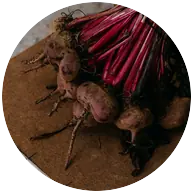
- Beets Aug 6–20
- Kale Aug 6–20
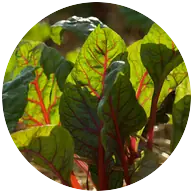
- Swiss chard Aug 6–20
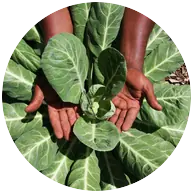
- Collards Aug 6–20
 Cauliflower
 Carrots
 Broccoli
 Cabbage
 Beets
 Kale
 Swiss chard
 Collards
Portland dates. Pick your town at the top of the page for yours.
Key numbers
- 35–80°F (best 75°F)Soil to sprout
- ¼ inch max; needs lightSow depth
- Soil above 80°FSeeds go dormant
- 6.0–7.0Soil pH
- Mid-20s °FHardy types take
- 1–2 weeks near 32°FKeeps
Top care tip: Water lightly and often in warm spells and give summer plantings afternoon shade to keep leaves sweet.
The plant science
The plant biology behind the advice above, in plain language.
Getting seeds to sprout
Lettuce sprouts in soil as cool as 35 to 40°F and does best around 75°F. Many varieties also need some light to germinate, so sow seeds no more than about a quarter inch deep and keep the surface moist.
In summer, soil above about 80°F can make lettuce seeds go dormant, and they simply won't come up. To sow in July or August, water the bed to cool it, sow in the evening, shade the row with a board or shade cloth until seeds sprout, or start seeds indoors where it's cooler.
Bolting and bitterness
Lettuce bolts (sends up a flower stalk) in response to heat and long days. As it does, the leaves fill with a milky sap containing bitter compounds. Once the center starts to stretch up, the bitterness can't be reversed.
To delay it, grow slow-bolting varieties for summer, give afternoon shade, keep the soil moist, and sow small batches every two to three weeks so there's always a young planting coming along.
Soil and water
Lettuce has shallow roots and grows fast, so it needs steady moisture and fertile soil with a pH of about 6.0 to 7.0. Mix in compost before planting. Dry spells make leaves tough and bitter, and uneven watering can cause tipburn, the brown, crispy leaf edges caused by a short supply of calcium during fast growth.
Cold tolerance
Most lettuces handle light frost, and hardy types like Winter Density and Arctic King take nights into the mid-20s. West of the Cascades, fall-sown lettuce under a cold frame or row cover can keep going through much of winter. Leaves that freeze solid will thaw fine if left alone; don't pick them while frozen.
Harvest and storage
Pick in the morning, when leaves are fully hydrated and crisp. Lettuce keeps best right above freezing with high humidity, so store it in a bag or container in the coldest part of the fridge, where it lasts one to two weeks.
Good neighbors and crop rotation
Good neighbors
- Tall crops like tomatoes or pole beans. Their afternoon shade slows bolting in summer.
- Carrots and radishes. Shallow lettuce roots and deeper root crops share a bed without crowding.
Daisy family: Lettuce and radicchio have few soil-borne problems and fit anywhere in a rotation. If you've had lettuce drop, a white mold that collapses whole plants, keep them out of that bed for at least three years.
Pests and problems
What most often goes wrong with lettuce in Northwest gardens, how to spot it and what to do.
Slugs
Signs: Ragged holes and slime trails, worst on damp nights.
What to do: Iron phosphate bait, beer traps and a nightly flashlight hunt.
Aphids
Signs: Clusters of small green or gray insects deep in the heads.
What to do: Hose them off. Ladybugs and hoverfly larvae usually catch up.
Bolting and bitterness
Signs: Plants stretch upward and leaves turn bitter in long, warm days.
What to do: Sow little and often, use heat-tolerant varieties for summer and give afternoon shade.
Saving lettuce seed
Will it come true?
Lettuce flowers pollinate themselves, so open-pollinated varieties come true even when several kinds bloom together.
How to save it
Let a few healthy plants bolt; the ones that bolt last are the best to save from. About two to three weeks after flowering, the heads turn fluffy and white. Shake them into a paper bag every few days, or cut the stalks and dry them under cover if rain is coming. Store dry seed in a labeled paper envelope in a cool, dry place.
Common questions about growing lettuce
When should I plant lettuce in Oregon, Washington and Idaho?
Plant in the garden: Mar 1 – Apr 26 in Portland and Seattle, Apr 1 – May 27 in Spokane, Mar 20 – May 15 in Boise and Apr 28 – Jun 23 in Bend. Pick your town at the top of the page for your own dates.
Why won't my lettuce seeds sprout in summer?
Soil above about 80°F makes many lettuce seeds go dormant. Sow in the evening, water to cool the soil, shade the row until seedlings appear, or start seeds indoors and transplant.
Why is my lettuce bitter?
Bitterness comes as the plant starts to bolt in heat and long days, or after dry spells. Harvest before the center stretches up, grow slow-bolting varieties in summer, and keep the soil evenly moist.
Can lettuce survive frost?
Yes, most varieties handle light frost, and hardy types take nights into the mid-20s. With a cold frame or row cover, lettuce often lasts through much of winter west of the Cascades.
See what else to plant in January, February, March, April, August or September.
 Spinach
 Arugula
 Celery
 Mâche
 Radicchio