
Oregon · Washington · Idaho
When to plant onions
Plant in the garden: Portland and Seattle Mar 1 – Apr 5; Spokane Apr 1 – May 6; Boise Mar 20 – Apr 24; Bend Apr 28 – Jun 2.
Your dates in
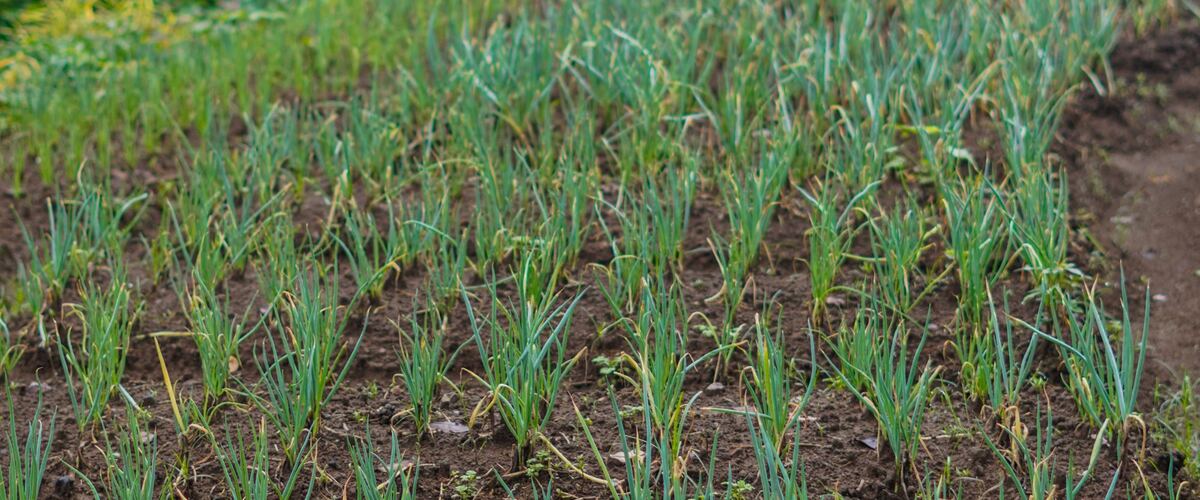
Onions are allium-family bulbs grown for the layered bulb and, when pulled young, the green tops. Storage onions keep for months in a cool, dry place, while sweet onions are milder and juicier but keep only a few weeks. The Walla Walla sweet onion, grown around Walla Walla, is Washington's official state vegetable.
Puts onions on your free plan, with dates for your town and a spot in your beds.
- Difficulty
- Moderate
- Sun
- Full sun
- Spacing
- 4 inches apart
- Planting depth
- Sets 1 inch deep with the tip just showing; starts at the depth they grew
- Frost
- Handles light frost
- First harvest
- About 110 days after planting
Plant as soon as the soil is dry enough to work. Sets are easiest, but young plants (starts) usually make bigger bulbs and bolt less. Pick long-day varieties for the Northwest.
Onion planting dates
| Towns | Plant in the garden |
|---|---|
| Portland, OR, Seattle and Tacoma, WA | Mar 1 – Apr 5 |
| Spokane, WA | Apr 1 – May 6 |
| Boise and Meridian, ID | Mar 20 – Apr 24 |
| Bend and Redmond, OR | Apr 28 – Jun 2 |
| Astoria, OR | Mar 25 – Apr 29 |
Dates for six main cities. For any of the other 80 towns, type it in the box at the top of the page or browse all towns.
| Gresham, OR, Oregon City and West Linn, OR, Portland, OR, St. Helens and Scappoose, OR, Wilsonville and Canby, OR | Mar 1 – Apr 5 |
|---|---|
| Hillsboro and Beaverton, OR | Mar 5 – Apr 9 |
| Corvallis and Albany, OR, Eugene, OR, Salem, OR | Mar 1 – Apr 5 |
|---|---|
| Cottage Grove, OR | Mar 13 – Apr 17 |
| McMinnville and Newberg, OR | Mar 4 – Apr 8 |
| Ashland and Talent, OR | Mar 25 – Apr 29 |
|---|---|
| Grants Pass, OR, Medford, OR, Roseburg, OR | Mar 1 – Apr 5 |
| Astoria, OR, Brookings and Gold Beach, OR, Coos Bay and North Bend, OR, Newport and Lincoln City, OR, Tillamook, OR | Mar 25 – Apr 29 |
|---|
| Bend and Redmond, OR, Klamath Falls, OR | Apr 28 – Jun 2 |
|---|---|
| Burns, OR | Apr 30 – Jun 4 |
| Lakeview, OR | Apr 23 – May 28 |
| Madras, OR, Prineville, OR | Apr 20 – May 25 |
| Baker City, OR, Enterprise and Joseph, OR, John Day, OR | Apr 20 – May 25 |
|---|---|
| Hermiston, OR, Hood River, OR, Ontario, OR, Pendleton, OR, The Dalles, OR | Mar 20 – Apr 24 |
| La Grande, OR | Apr 1 – May 6 |
| Bremerton and Port Orchard, WA, Everett, WA, Kent, Renton and Auburn, WA, Seattle and Tacoma, WA | Mar 1 – Apr 5 |
|---|---|
| Olympia, WA | Mar 18 – Apr 22 |
| Shelton, WA | Mar 16 – Apr 20 |
| Anacortes, WA, Bellingham, WA, Friday Harbor and the San Juans, WA, Mount Vernon and Burlington, WA, Oak Harbor and Whidbey Island, WA | Mar 1 – Apr 5 |
|---|
| Aberdeen and Hoquiam, WA, Forks, WA, Long Beach and Ilwaco, WA | Mar 25 – Apr 29 |
|---|---|
| Port Angeles, WA, Port Townsend, WA | Mar 1 – Apr 5 |
| Sequim, WA | Mar 10 – Apr 14 |
| Centralia and Chehalis, WA | Mar 11 – Apr 15 |
|---|---|
| Longview and Kelso, WA, Vancouver, WA | Mar 1 – Apr 5 |
| Chelan, WA, Wenatchee, WA | Mar 20 – Apr 24 |
|---|---|
| Leavenworth, WA, Omak and Okanogan, WA | Apr 1 – May 6 |
| Winthrop and Twisp, WA | Apr 3 – May 8 |
| Ellensburg, WA | Apr 1 – May 6 |
|---|---|
| Ephrata and Quincy, WA, Moses Lake, WA, Sunnyside, Grandview and Prosser, WA, Tri-Cities (Pasco, Kennewick, Richland), WA, Walla Walla, WA | Mar 20 – Apr 24 |
| Goldendale, WA | Apr 7 – May 12 |
| Yakima, WA | Mar 27 – May 1 |
| Colville, WA, Pullman, WA, Spokane, WA | Apr 1 – May 6 |
|---|
| Bonners Ferry, ID, Coeur d'Alene and Post Falls, ID, Sandpoint, ID | Apr 1 – May 6 |
|---|
| Lewiston, ID | Mar 20 – Apr 24 |
|---|---|
| Moscow, ID | Apr 1 – May 6 |
| Boise and Meridian, ID, Emmett, ID, Nampa and Caldwell, ID | Mar 20 – Apr 24 |
|---|---|
| McCall, ID | May 11 – Jun 15 |
| Burley and Rupert, ID, Idaho Falls, ID, Pocatello, ID, Rexburg, ID, Twin Falls, ID | Apr 1 – May 6 |
|---|---|
| Salmon, ID | Apr 20 – May 25 |
Onion year at a glance
| Task | J | F | M | A | M | J | J | A | S | O | N | D |
|---|---|---|---|---|---|---|---|---|---|---|---|---|
| Plant | Mar | Apr | ||||||||||
| Harvest | Jul | Aug | Sep |
Around Portland. Colder towns, especially east of the Cascades, run a few weeks later; the table above has your town's planting dates.
How to grow onions
- Prepare the bed: loosen the soil and mix in an inch or two of compost.
- Plant onion starts or sets on your city's dates, 4 inches apart, sets 1 inch deep with the tip just showing; starts at the depth they grew.
- Water regularly and keep the bed weeded; onions don't compete well.
- Harvest: When the tops flop over in late summer, pull the onions and let them dry in a shady, airy spot for two weeks.
Growing onions in your part of the Northwest
The same plant behaves differently on the wet west side, the foggy coast and the dry, colder east side.
West-side valleys
Willamette Valley, Puget Sound, southern Oregon
Choose long-day varieties, which form bulbs as Northwest days lengthen in June. Onions grow slowly in cold, wet spring soil, so raised beds help, and cure the harvest under cover if August turns wet.
Coast
Oregon and Washington coast
Damp, foggy weather favors downy mildew and neck rot. Give plants good spacing, and cure bulbs indoors or under a roof rather than in the garden.
East of the Cascades
Columbia Basin, Yakima, Boise, Spokane, north Idaho
Southwest Idaho and eastern Oregon's Treasure Valley is one of the country's big onion regions, so the climate suits them. Water evenly to avoid split bulbs, watch for thrips in hot weather, and stop watering when the tops fall over.
High desert and mountain towns
Central Oregon, high eastern Oregon valleys, McCall, Salmon
The season is short, so start from sets or transplants rather than seed. Long-day types still bulb well here.
More onion varieties
More widely sold picks that do well somewhere in the Northwest. The tag says which part of the Northwest suits each one best.
Walla Walla Sweet
The famous mild, juicy sweet onion named for Walla Walla, Washington. Bulbs grow large but don't keep long, so eat them fresh through late summer and fall.
Both sides
Copra
Medium, firm yellow bulbs with a strong flavor and some of the best keeping quality of any onion. Cured well, they can last into spring.
Both sides
Redwing
Deep red, round bulbs that stay red through the center. It stores much longer than most red onions, often for several months.
Both sides
Yellow Sweet Spanish
Big, mild yellow bulbs that are widely sold as sets and plants. Good for slicing and cooking fresh, with moderate storage life.
Both sides
Red Wethersfield
An old long-day heirloom with flattened, purple-red bulbs and a pungent flavor. It stores fairly well and is easy to find as sets at garden centers.
Both sides
Ailsa Craig
A mild heirloom known for very large, straw-colored bulbs when started early indoors. Best for eating fresh in summer and fall rather than long storage.
Both sides
How much to grow
How many to plant
For a family of four, 80 to 100 onions from sets or starts covers most of the fall and winter.
What to expect
One bulb per plant; about a pound per foot of row for large storage types.
Storing the harvest
Cure for two weeks, then store in mesh bags somewhere cool, dark and dry. Storage varieties keep four to eight months; sweet onions only a few weeks.
What to plant after onions
Around Portland, the onion harvest wraps up around September. These crops can still go into the same bed, and they come from a different plant family, which helps with rotation.
- Mâche Aug 13 – Sep 17
- Spinach Aug 20 – Sep 10
- Mustard greens Aug 20 – Sep 10
- Cilantro Aug 27 – Sep 10
- Arugula Aug 27 – Sep 17
- Radishes Sep 3–17
- Fava beans Oct 1–31
 Mâche
 Spinach
 Mustard greens
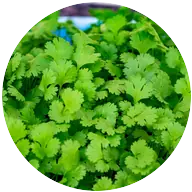 Cilantro
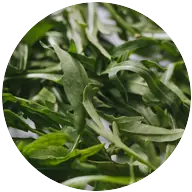 Arugula
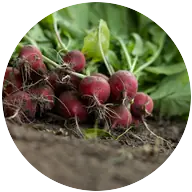 Radishes
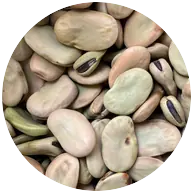 Fava beans
Portland dates. Pick your town at the top of the page for yours.
Key numbers
- Long-dayType for here
- 14–16 hour daysBulbing starts at
- Smaller than ¾ inchSets
- 6.0–7.0Soil pH
- Half the tops fallHarvest when
- 2–3 weeksCure
Top care tip: Keep the bed weeded and watered evenly until the tops start to fall over, then stop watering.
The plant science
The plant biology behind the advice above, in plain language.
Day length decides the bulb
Onions start forming bulbs when days reach a certain length, and varieties are grouped by that trigger. Long-day onions bulb when days reach about 14 to 16 hours and are the right choice for the Northwest's long summer days. Short-day onions, bred for the South, bulb too early here and stay small. Check the packet or set label for long-day or day-neutral varieties.
Leaves now, bulb later
Each onion leaf becomes one ring of the bulb, so bulb size depends on how many large, healthy leaves the plant grows before bulbing starts in early summer. That's why onions go in early and benefit from a head start as transplants or sets. Feed with nitrogen early and stop once bulbs start to swell. Keep the bed weeded too: onions' thin, upright leaves shade out very little and lose badly to competing weeds.
Why onions bolt
Onions are biennials, normally flowering in their second year. But a plant that has reached a certain size and then sits through a long cold spell can be tricked into flowering early. Large onion sets, more than about ¾ inch across, are most prone to it. Choose small sets, and pull any that bolt to use first, since they won't store.
Sweet vs. storage onions
Sweet onions like Walla Walla Sweet taste mild because they're low in the sulfur compounds that make onions pungent and high in water. Those same traits make them store poorly, for only a month or two. Pungent storage onions like Copra keep for months. Grow some of each.
Soil and water
Onions have shallow roots, so they need loose, fertile soil with a pH of about 6.0 to 7.0 and steady moisture, about an inch a week, until the bulbs size up. Stop watering once the tops start to fall over. Onion thrips, tiny insects that leave silvery streaks on the leaves, are worst in hot, dry weather east of the Cascades.
Harvest, curing and storage
When about half the tops have flopped over, pull the onions. Cure them in a dry, airy, shaded spot for two to three weeks, until the necks are completely dry and tight. A properly dried neck seals out neck rot, the main cause of onions rotting in storage. Store storage onions cool and dry, ideally just above freezing with low humidity.
Good neighbors and crop rotation
Good neighbors
- Carrots. Narrow onion leaves and feathery carrot tops share a bed well.
- Lettuce. Fills the gaps between young onions and is picked before the bulbs swell.
Keep apart
- Large, leafy crops. Onions have thin leaves and can't compete; squash or potatoes next to them shade them out.
Onion family: Rotate onion-family crops on a three- to four-year cycle. Onion maggots overwinter in the soil, and white rot, the worst onion disease, survives in soil for decades; never plant sets or cloves from a garden that has had it.
Pests and problems
What most often goes wrong with onions in Northwest gardens, how to spot it and what to do.
Onion maggots
Signs: Plants wilt and yellow; white maggots in the bulb base.
What to do: Rotate beds and cover young plants with row cover.
Thrips
Signs: Silvery streaks on the leaves in hot, dry summers, mostly east of the Cascades.
What to do: Water well and hose the leaves. Damage is mostly cosmetic unless severe.
Neck rot in storage
Signs: Bulbs go soft and gray at the top after a few weeks.
What to do: Let the necks dry completely before storing, and use the thick-necked ones first.
Common questions about growing onions
When should I plant onions in Oregon, Washington and Idaho?
Plant in the garden: Mar 1 – Apr 5 in Portland and Seattle, Apr 1 – May 6 in Spokane, Mar 20 – Apr 24 in Boise and Apr 28 – Jun 2 in Bend. Pick your town at the top of the page for your own dates.
Why are my onions so small?
Usually the plants had too few leaves when bulbing started, because they went in late, were crowded or had to compete with weeds. The wrong day-length type can also cause it: grow long-day varieties in the Northwest.
Why did my onions bolt?
A long cold spell after plants reached a certain size tricked them into flowering. Large sets are especially prone to it. Use small sets, and use bolted onions first, since they won't store.
Should I grow onions from sets, transplants or seed?
Sets are the easiest and earliest, but large ones may bolt. Transplants give bigger bulbs and a wider choice of varieties. Seed is cheapest and has the most variety, but it needs an early start indoors, about 10 to 12 weeks before planting out.
See what else to plant in March or April.
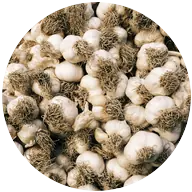 Garlic
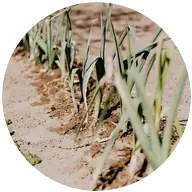 Leeks
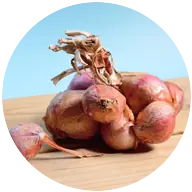 Shallots