
Oregon · Washington · Idaho
When to plant peas
Plant in the garden: Portland and Seattle Mar 1 – Apr 12; Spokane Apr 1 – May 13; Boise Mar 20 – May 1; Bend Apr 28 – Jun 9.
Your dates in
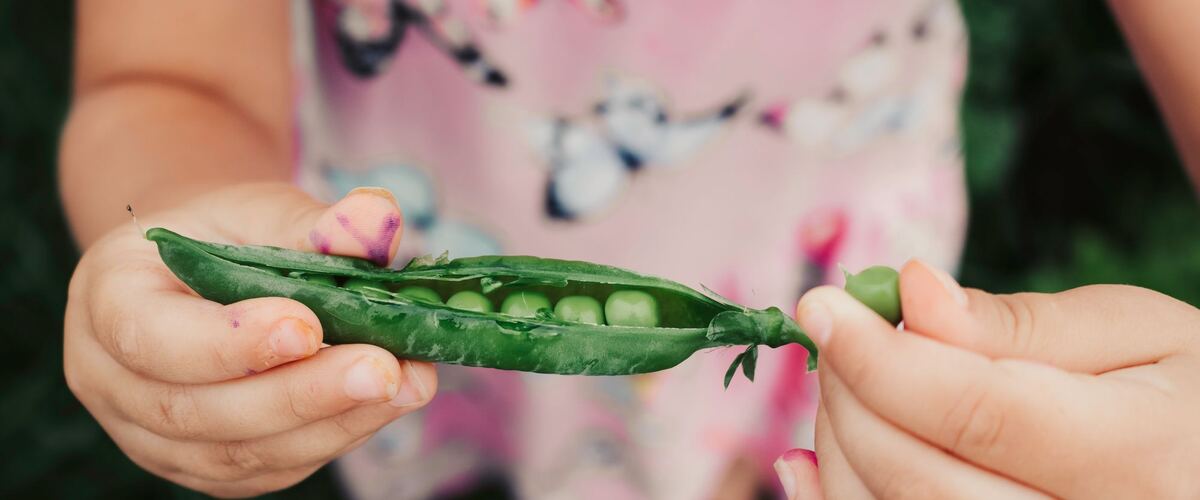
Garden peas are a cool-season climbing legume grown for the sweet seeds inside the pod. There are three kinds: shelling peas, popped out of tough pods; snow peas, picked flat and eaten pod and all; and snap peas, with thick, sweet pods eaten whole once the peas swell. Like other legumes, peas host bacteria on their roots that pull nitrogen from the air into the soil.
Puts peas on your free plan, with dates for your town and a spot in your beds.
- Difficulty
- Easy
- Sun
- Full sun; tolerates light shade
- Spacing
- 2 inches apart along a trellis
- Planting depth
- 1 inch deep
- Frost
- Handles light frost
- First harvest
- About 65 days after planting
Germinate in cool soil (about 40-50°F). Get them in early; they stall in summer heat.
Pea planting dates
| Towns | Plant in the garden |
|---|---|
| Portland, OR, Seattle and Tacoma, WA | Mar 1 – Apr 12 |
| Spokane, WA | Apr 1 – May 13 |
| Boise and Meridian, ID | Mar 20 – May 1 |
| Bend and Redmond, OR | Apr 28 – Jun 9 |
| Astoria, OR | Mar 25 – May 6 |
Dates for six main cities. For any of the other 80 towns, type it in the box at the top of the page or browse all towns.
| Gresham, OR, Oregon City and West Linn, OR, Portland, OR, St. Helens and Scappoose, OR, Wilsonville and Canby, OR | Mar 1 – Apr 12 |
|---|---|
| Hillsboro and Beaverton, OR | Mar 5 – Apr 16 |
| Corvallis and Albany, OR, Eugene, OR, Salem, OR | Mar 1 – Apr 12 |
|---|---|
| Cottage Grove, OR | Mar 13 – Apr 24 |
| McMinnville and Newberg, OR | Mar 4 – Apr 15 |
| Ashland and Talent, OR | Mar 25 – May 6 |
|---|---|
| Grants Pass, OR, Medford, OR, Roseburg, OR | Mar 1 – Apr 12 |
| Astoria, OR, Brookings and Gold Beach, OR, Coos Bay and North Bend, OR, Newport and Lincoln City, OR, Tillamook, OR | Mar 25 – May 6 |
|---|
| Bend and Redmond, OR, Klamath Falls, OR | Apr 28 – Jun 9 |
|---|---|
| Burns, OR | Apr 30 – Jun 11 |
| Lakeview, OR | Apr 23 – Jun 4 |
| Madras, OR, Prineville, OR | Apr 20 – Jun 1 |
| Baker City, OR, Enterprise and Joseph, OR, John Day, OR | Apr 20 – Jun 1 |
|---|---|
| Hermiston, OR, Hood River, OR, Ontario, OR, Pendleton, OR, The Dalles, OR | Mar 20 – May 1 |
| La Grande, OR | Apr 1 – May 13 |
| Bremerton and Port Orchard, WA, Everett, WA, Kent, Renton and Auburn, WA, Seattle and Tacoma, WA | Mar 1 – Apr 12 |
|---|---|
| Olympia, WA | Mar 18 – Apr 29 |
| Shelton, WA | Mar 16 – Apr 27 |
| Anacortes, WA, Bellingham, WA, Friday Harbor and the San Juans, WA, Mount Vernon and Burlington, WA, Oak Harbor and Whidbey Island, WA | Mar 1 – Apr 12 |
|---|
| Aberdeen and Hoquiam, WA, Forks, WA, Long Beach and Ilwaco, WA | Mar 25 – May 6 |
|---|---|
| Port Angeles, WA, Port Townsend, WA | Mar 1 – Apr 12 |
| Sequim, WA | Mar 10 – Apr 21 |
| Centralia and Chehalis, WA | Mar 11 – Apr 22 |
|---|---|
| Longview and Kelso, WA, Vancouver, WA | Mar 1 – Apr 12 |
| Chelan, WA, Wenatchee, WA | Mar 20 – May 1 |
|---|---|
| Leavenworth, WA, Omak and Okanogan, WA | Apr 1 – May 13 |
| Winthrop and Twisp, WA | Apr 3 – May 15 |
| Ellensburg, WA | Apr 1 – May 13 |
|---|---|
| Ephrata and Quincy, WA, Moses Lake, WA, Sunnyside, Grandview and Prosser, WA, Tri-Cities (Pasco, Kennewick, Richland), WA, Walla Walla, WA | Mar 20 – May 1 |
| Goldendale, WA | Apr 7 – May 19 |
| Yakima, WA | Mar 27 – May 8 |
| Colville, WA, Pullman, WA, Spokane, WA | Apr 1 – May 13 |
|---|
| Bonners Ferry, ID, Coeur d'Alene and Post Falls, ID, Sandpoint, ID | Apr 1 – May 13 |
|---|
| Lewiston, ID | Mar 20 – May 1 |
|---|---|
| Moscow, ID | Apr 1 – May 13 |
| Boise and Meridian, ID, Emmett, ID, Nampa and Caldwell, ID | Mar 20 – May 1 |
|---|---|
| McCall, ID | May 11 – Jun 22 |
| Burley and Rupert, ID, Idaho Falls, ID, Pocatello, ID, Rexburg, ID, Twin Falls, ID | Apr 1 – May 13 |
|---|---|
| Salmon, ID | Apr 20 – Jun 1 |
Pea year at a glance
| Task | J | F | M | A | M | J | J | A | S | O | N | D |
|---|---|---|---|---|---|---|---|---|---|---|---|---|
| Plant | Mar | Apr | ||||||||||
| Harvest | May | Jun | Jul |
Around Portland. Colder towns, especially east of the Cascades, run a few weeks later; the table above has your town's planting dates.
How to grow peas
- Prepare the bed: loosen the soil and mix in an inch or two of compost.
- Plant seeds on your city's dates, 1 inch deep, 2 inches apart along a trellis.
- Keep the soil evenly moist until sprouts appear, which can take one to three weeks in cool soil.
- Harvest: Pick snap and snow peas when pods are plump but still crisp, every two or three days.
Growing peas in your part of the Northwest
The same plant behaves differently on the wet west side, the foggy coast and the dry, colder east side.
West-side valleys
Willamette Valley, Puget Sound, southern Oregon
Wet, cold clay can rot pea seed before it sprouts, so sow into raised beds or wait for a dry spell in late February or March. Late sowings are the ones pea enation virus hits hardest, which is why resistant varieties like Oregon Sugar Pod II and Cascadia are popular here.
Coast
Oregon and Washington coast
Cool summers suit peas better than almost anywhere else in the region. You can keep sowing into early summer and sow again in July for a fall crop.
East of the Cascades
Columbia Basin, Yakima, Boise, Spokane, north Idaho
Heat in late June shuts pea plants down quickly, so sow as soon as the soil can be worked and pick early varieties. Water steadily once flowers appear; dry soil during bloom means few pods.
High desert and mountain towns
Central Oregon, high eastern Oregon valleys, McCall, Salmon
Peas are one of the most reliable crops here because they shrug off spring frosts. Sow as soon as the soil thaws and drains.
More pea varieties
More widely sold picks that do well somewhere in the Northwest. The tag says which part of the Northwest suits each one best.
Oregon Sugar Pod II
Flat, sweet snow peas on vines about 30 inches tall. It resists powdery mildew and pea enation virus, two common Northwest pea problems, and keeps producing well.
Both sides
Sugar Snap
The classic edible-pod snap pea with thick, juicy, very sweet pods. Vines reach 5 to 6 feet, so give it a sturdy trellis and sow early to beat summer heat.
Both sides
Green Arrow
Long pods packed with 9 to 11 sweet peas, usually borne in pairs. It resists fusarium wilt and powdery mildew and needs only a short support.
Both sides
Cascadia
A compact snap pea on vines about 30 inches tall with crisp, sweet pods. It resists powdery mildew and pea enation virus, which makes it a dependable choice west of the Cascades.
West side
Sugar Ann
One of the earliest snap peas, on short vines that need little or no support. Good for containers, small beds and places where summer heat or a short season cuts the pea window.
Short seasons
How much to grow
How many to plant
For a family of four, about two 10-foot rows (60 to 80 plants) for eating fresh, and twice that if you want to freeze some.
What to expect
A 10-foot row gives roughly 4 to 6 pounds of snap or snow peas. Shelling peas give about a third of that once shelled.
Storing the harvest
Pods keep about a week in a bag in the fridge, but sugar turns to starch fast, so eat them soon. Blanch and freeze extras.
What to plant after peas
Around Portland, the pea harvest wraps up around July. These crops can still go into the same bed, and they come from a different plant family, which helps with rotation.
- Radicchio Jul 9–30
- Cauliflower Jul 16–30
- Carrots Jul 23 – Aug 6
- Broccoli Jul 23 – Aug 6
- Cabbage Jul 23 – Aug 6
- Beets Aug 6–20
- Kale Aug 6–20
- Swiss chard Aug 6–20
 Radicchio
 Cauliflower
 Carrots
 Broccoli
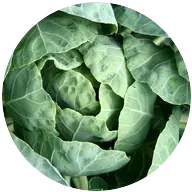 Cabbage
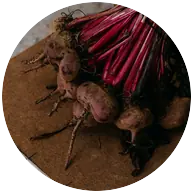 Beets
 Kale
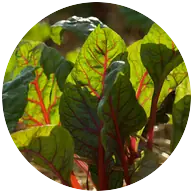 Swiss chard
Portland dates. Pick your town at the top of the page for yours.
Key numbers
- 40°F+, faster near 60°FSoil to sprout
- 60–70°FBest days
- Above 80°FSlows down
- 6.0–7.5Soil pH
- Light frostSeedlings take
- Within hours of pickingSweetness fades
Top care tip: Give vines a trellis from day one and pick every two or three days, because unpicked pods tell the plant to stop flowering.
The plant science
The plant biology behind the advice above, in plain language.
A crop built for cool weather
Peas sprout in soil as cool as 40°F, though they come up much faster as it warms toward 60°F, and they grow best when days are 60 to 70°F. Seedlings tolerate light frost. Production drops once temperatures regularly top about 80°F, which is why peas go in early, from February to April depending on where you live.
The biggest early risk isn't cold but wet. Seeds sitting in cold, waterlogged soil rot, so plant into soil that crumbles in your hand rather than forming a muddy ball.
Nitrogen from the air
Like beans, peas host rhizobia bacteria in root nodules that turn nitrogen from the air into fertilizer for the plant. They need little added nitrogen, and an inoculant helps in beds that haven't grown peas recently.
A common belief is that peas leave lots of nitrogen in the soil. In fact, most of it ends up in the seeds you harvest. Cutting the vines and leaving the roots in the ground adds organic matter, but only a modest amount of nitrogen.
Soil and water
Peas like well-drained soil with a pH of about 6.0 to 7.5. Keep the soil moist once flowering starts, since dry spells during bloom and pod fill cut yields. A trellis gives better airflow and easier picking, even for shorter varieties.
Diseases
Powdery mildew shows up as peas wind down in summer heat. Pea enation mosaic virus, spread by aphids, causes stunted, deformed plants and is a particular problem for later plantings in the Northwest. Early planting and resistant varieties like Oregon Sugar Pod II help with both.
Why fresh peas taste sweeter
Pea sugars start converting to starch as soon as the pods are picked, and the conversion is fastest when they're warm. That's why homegrown peas taste so much sweeter than store-bought ones. Pick in the cool morning, refrigerate right away, and eat or blanch and freeze them within a day or two.
Pick snap and snow peas when pods are plump but crisp, and shelling peas when the peas fill the pod but the pod is still bright green. Frequent picking keeps plants producing.
Good neighbors and crop rotation
Good neighbors
- Lettuce and spinach. Planted on the shady side of the trellis, they get cool shade as spring warms up.
- Radishes. Ready in a month, so they fill the row before the peas need the room.
Pea and bean family: Rotate peas and beans every two or three years to keep root rots from building up. Their roots host bacteria that fix nitrogen, but most of it leaves in the pods and seeds, so they help the next crop only a little unless you dig the plants back in.
Pests and problems
What most often goes wrong with peas in Northwest gardens, how to spot it and what to do.
Pea enation virus
Signs: Leaves turn mottled and the pods warp with small bumps; spread by aphids, worst in late plantings.
What to do: Plant early and choose resistant varieties such as 'Oregon Sugar Pod II'.
Powdery mildew
Signs: White, powdery coating on the leaves as the weather warms in June.
What to do: Plant early so the crop is in before it spreads, and pick mildew-resistant varieties.
Birds and slugs
Signs: Shoots snipped off or seedlings gone overnight.
What to do: Net the row until the plants are a few inches tall, and set out iron phosphate slug bait.
Saving pea seed
Will it come true?
Peas pollinate themselves, so open-pollinated varieties come true from saved seed.
How to save it
Stop picking a few plants and let the pods dry and turn papery on the vine. Shell the peas, dry them another week, and freeze them for a few days to kill any pea weevils. Store dry seed in a labeled paper envelope in a cool, dry place.
Common questions about growing peas
When should I plant peas in Oregon, Washington and Idaho?
Plant in the garden: Mar 1 – Apr 12 in Portland and Seattle, Apr 1 – May 13 in Spokane, Mar 20 – May 1 in Boise and Apr 28 – Jun 9 in Bend. Pick your town at the top of the page for your own dates.
How cold can peas handle?
Peas sprout in soil as cool as 40°F and seedlings tolerate light frost. Hard freezes can damage flowers and pods, so cover plants if a cold snap is forecast once they're blooming.
Do pea roots add nitrogen to the soil?
A little. Most of the nitrogen peas fix goes into the seeds you harvest. Leaving the roots in the ground adds organic matter and a modest amount of nitrogen, so it's still worth doing.
Why are my pea plants turning yellow from the bottom?
Late in the season, it's natural aging as summer heat arrives. Earlier, yellowing can mean waterlogged soil, root rot, or a lack of nitrogen-fixing nodules. Check the roots for pink nodules and make sure the soil drains.
See what else to plant in March or April.
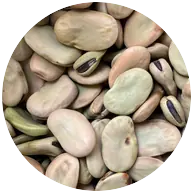 Fava beans
 Bush beans
 Pole beans