
Oregon · Washington · Idaho
When to plant potatoes
Plant in the garden: Portland and Seattle Mar 15 – Apr 26; Spokane Apr 15 – May 27; Boise Apr 1 – May 13; Bend May 12 – Jun 23.
Your dates in
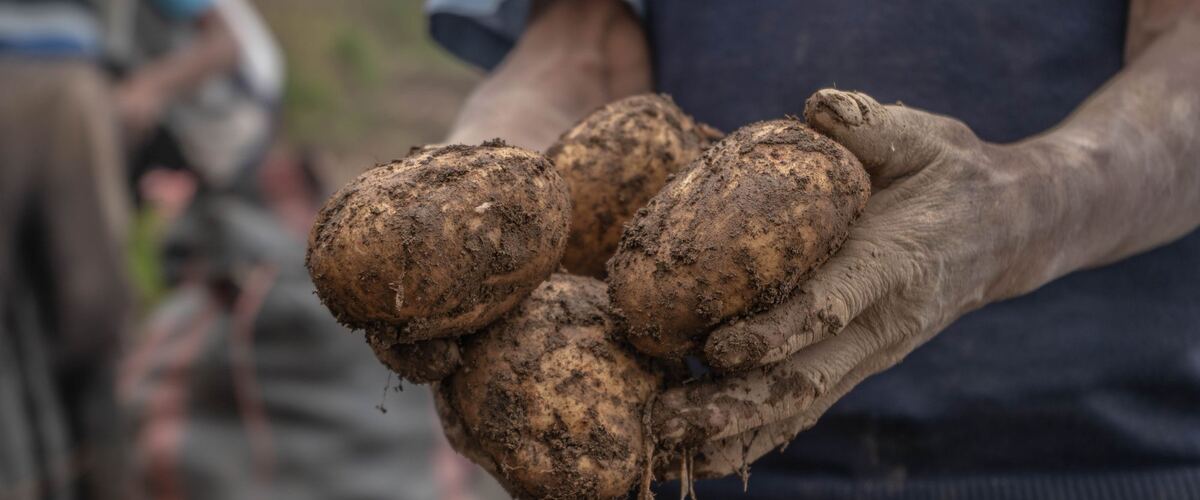
Potatoes are the underground tubers of a nightshade-family plant first farmed in the Andes of South America, grown from pieces of last year's potatoes rather than from seed. A home garden can grow kinds rarely sold in stores, like fingerlings, purple potatoes and waxy salad types. Idaho grows more potatoes than any other state, and Washington is second.
Puts potatoes on your free plan, with dates for your town and a spot in your beds.
- Difficulty
- Easy
- Sun
- Full sun
- Spacing
- 12 inches apart in rows 30 inches apart
- Planting depth
- 4 inches deep in a trench
- Frost
- Handles light frost
- First harvest
- About 95 days after planting
Use certified seed potatoes. Hill soil around stems as they grow.
Potato planting dates
| Towns | Plant in the garden |
|---|---|
| Portland, OR, Seattle and Tacoma, WA | Mar 15 – Apr 26 |
| Spokane, WA | Apr 15 – May 27 |
| Boise and Meridian, ID, Astoria, OR | Apr 1 – May 13 |
| Bend and Redmond, OR | May 12 – Jun 23 |
Dates for six main cities. For any of the other 80 towns, type it in the box at the top of the page or browse all towns.
| Gresham, OR, Oregon City and West Linn, OR, Portland, OR, St. Helens and Scappoose, OR, Wilsonville and Canby, OR | Mar 15 – Apr 26 |
|---|---|
| Hillsboro and Beaverton, OR | Mar 19 – Apr 30 |
| Corvallis and Albany, OR, Eugene, OR, Salem, OR | Mar 15 – Apr 26 |
|---|---|
| Cottage Grove, OR | Mar 27 – May 8 |
| McMinnville and Newberg, OR | Mar 18 – Apr 29 |
| Ashland and Talent, OR | Apr 8 – May 20 |
|---|---|
| Grants Pass, OR, Medford, OR, Roseburg, OR | Mar 15 – Apr 26 |
| Astoria, OR, Brookings and Gold Beach, OR, Coos Bay and North Bend, OR, Newport and Lincoln City, OR, Tillamook, OR | Apr 1 – May 13 |
|---|
| Bend and Redmond, OR, Klamath Falls, OR | May 12 – Jun 23 |
|---|---|
| Burns, OR | May 14 – Jun 25 |
| Lakeview, OR | May 7 – Jun 18 |
| Madras, OR | Apr 21 – Jun 2 |
| Prineville, OR | May 4 – Jun 15 |
| Baker City, OR | Apr 27 – Jun 8 |
|---|---|
| Enterprise and Joseph, OR | Apr 26 – Jun 7 |
| Hermiston, OR, Hood River, OR, Ontario, OR, Pendleton, OR, The Dalles, OR | Apr 1 – May 13 |
| John Day, OR | Apr 30 – Jun 11 |
| La Grande, OR | Apr 15 – May 27 |
| Bremerton and Port Orchard, WA, Everett, WA, Kent, Renton and Auburn, WA, Seattle and Tacoma, WA | Mar 15 – Apr 26 |
|---|---|
| Olympia, WA | Apr 1 – May 13 |
| Shelton, WA | Mar 30 – May 11 |
| Anacortes, WA, Bellingham, WA, Friday Harbor and the San Juans, WA, Mount Vernon and Burlington, WA, Oak Harbor and Whidbey Island, WA | Mar 15 – Apr 26 |
|---|
| Aberdeen and Hoquiam, WA, Forks, WA, Long Beach and Ilwaco, WA | Apr 1 – May 13 |
|---|---|
| Port Angeles, WA, Port Townsend, WA | Mar 15 – Apr 26 |
| Sequim, WA | Mar 24 – May 5 |
| Centralia and Chehalis, WA | Mar 25 – May 6 |
|---|---|
| Longview and Kelso, WA, Vancouver, WA | Mar 15 – Apr 26 |
| Chelan, WA, Wenatchee, WA | Apr 1 – May 13 |
|---|---|
| Leavenworth, WA, Omak and Okanogan, WA | Apr 15 – May 27 |
| Winthrop and Twisp, WA | Apr 17 – May 29 |
| Ellensburg, WA | Apr 15 – May 27 |
|---|---|
| Ephrata and Quincy, WA, Moses Lake, WA, Tri-Cities (Pasco, Kennewick, Richland), WA, Walla Walla, WA | Apr 1 – May 13 |
| Goldendale, WA | Apr 21 – Jun 2 |
| Sunnyside, Grandview and Prosser, WA | Apr 3 – May 15 |
| Yakima, WA | Apr 10 – May 22 |
| Colville, WA, Pullman, WA, Spokane, WA | Apr 15 – May 27 |
|---|
| Bonners Ferry, ID, Coeur d'Alene and Post Falls, ID, Sandpoint, ID | Apr 15 – May 27 |
|---|
| Lewiston, ID | Apr 1 – May 13 |
|---|---|
| Moscow, ID | Apr 15 – May 27 |
| Boise and Meridian, ID, Nampa and Caldwell, ID | Apr 1 – May 13 |
|---|---|
| Emmett, ID | Apr 2 – May 14 |
| McCall, ID | May 25 – Jul 6 |
| Burley and Rupert, ID, Idaho Falls, ID, Pocatello, ID, Rexburg, ID, Twin Falls, ID | Apr 15 – May 27 |
|---|---|
| Salmon, ID | Apr 19 – May 31 |
Potato year at a glance
| Task | J | F | M | A | M | J | J | A | S | O | N | D |
|---|---|---|---|---|---|---|---|---|---|---|---|---|
| Plant | Mar | Apr | ||||||||||
| Harvest | Jul | Aug | Sep | Oct |
Around Portland. Colder towns, especially east of the Cascades, run a few weeks later; the table above has your town's planting dates.
How to grow potatoes
- Prepare the bed: loosen the soil and mix in an inch or two of compost.
- Plant seed potatoes on your city's dates, 4 inches deep in a trench, 12 inches apart in rows 30 inches apart. Cut large ones into pieces with at least two eyes each.
- As plants grow, pile soil or straw around the stems so the potatoes stay covered.
- Harvest: Dig new potatoes when the plants flower. For storage potatoes, wait two weeks after the tops die back.
Growing potatoes in your part of the Northwest
The same plant behaves differently on the wet west side, the foggy coast and the dry, colder east side.
West-side valleys
Willamette Valley, Puget Sound, southern Oregon
Late blight is the big risk in wet late summers, so water at the soil, not over the leaves, and dig the crop once vines die back. Wireworms are common where lawn was recently dug up.
Coast
Oregon and Washington coast
Potatoes grow well in the cool climate, but the damp, foggy weather favors late blight. Choose blight-tolerant varieties and give plants good spacing.
East of the Cascades
Columbia Basin, Yakima, Boise, Spokane, north Idaho
Irrigated Columbia Basin and southern Idaho soils grow much of the country's potatoes. Water evenly to avoid knobby or hollow tubers, and watch for Colorado potato beetles, which are common east of the Cascades but rare west of them.
High desert and mountain towns
Central Oregon, high eastern Oregon valleys, McCall, Salmon
Late frosts can nip emerging shoots, so hill soil over them if frost is forecast. Early and mid-season varieties fit the short season best.
More potato varieties
More widely sold picks that do well somewhere in the Northwest. The tag says which part of the Northwest suits each one best.
Yukon Gold
Smooth, thin-skinned potatoes with buttery yellow flesh. Good for mashing, roasting and boiling, and one of the easiest seed potatoes to find each spring.
Both sides
German Butterball
Round to oblong potatoes with golden, buttery flesh and excellent flavor. It is a good keeper and a favorite for fall storage.
Both sides
Red Norland
Smooth red skin and white flesh, ready early in summer. Great as new potatoes, and some scab resistance helps in alkaline or recently limed soils.
Both sides
Russet Burbank
The standard long russet for baking and fries. It needs a long, warm season with steady watering and does especially well in irrigated gardens east of the Cascades.
East side
Kennebec
Large, smooth white potatoes with good yields and good storage. A versatile choice for fries, baking and mashing that tolerates a range of soils.
Both sides
Russian Banana
Small, crescent-shaped potatoes with waxy yellow flesh that holds its shape when roasted or boiled. Productive and widely sold as a gourmet fingerling.
Both sides
How much to grow
How many to plant
For a family of four, about 10 to 15 pounds of seed potatoes, which plants a 60- to 100-foot row.
What to expect
About 5 to 10 pounds of potatoes for every pound of seed potato planted.
Storing the harvest
Cure unwashed for a week or two in the dark, then store somewhere cool (about 40°F), dark and humid. Late varieties keep four to six months.
What to plant after potatoes
Around Portland, the potato harvest wraps up around October. These crops can still go into the same bed, and they come from a different plant family, which helps with rotation.
 Garlic
 Fava beans
 Shallots
Portland dates. Pick your town at the top of the page for yours.
Key numbers
- 45°F+Plant when soil is
- Soil 60–70°FTubers form best
- 5.0–6.5 (scab drops at 5.2)Soil pH
- 1½–2 oz, 1–2 eyesSeed pieces
- 1–2 inches a week, evenWater
- Dark, 40–45°FStore
Top care tip: Keep piling soil or straw around the stems as they grow so no tubers see light and turn green.
The plant science
The plant biology behind the advice above, in plain language.
Start with certified seed potatoes
Potatoes are grown from pieces of tubers, so diseases and viruses travel with them. Certified seed potatoes are inspected and tested for these problems. Grocery potatoes may carry diseases, and some are treated to slow sprouting.
Cut large seed potatoes into pieces of about 1½ to 2 ounces, each with at least one or two eyes, and let them dry a day or two before planting. Pre-sprouting them in a bright, cool room for two to four weeks (called chitting) gives a faster, earlier crop.
Soil pH and scab
Potatoes tolerate acidic soil, with a pH of about 5.0 to 6.5. Common scab, the rough, corky patches on the skin, is caused by soil bacteria that are much less active at a pH of 5.2 or below. So don't lime before potatoes, and avoid fresh manure, which also encourages scab. Keeping the soil moist for the first several weeks after tubers start forming also reduces it.
Temperature and tuber formation
Plant when the soil is at least about 45°F; seed pieces sit idle or rot in colder, wet soil. Tubers form best when the soil is about 60 to 70°F and slow down when it's much warmer. Mulch helps keep the soil cool in hot summers east of the Cascades.
Hilling and green potatoes
Potatoes form on underground stems along the buried part of the plant. Hilling soil or mulch up around the stems as they grow gives more room for tubers and keeps them covered. Tubers exposed to light turn green. The green is harmless chlorophyll, but it signals that solanine, a bitter natural toxin, is building up too. Cut away green parts, and discard potatoes that are heavily green or taste bitter.
Water and late blight
Give potatoes about an inch or two of water a week, as evenly as possible. Uneven watering causes knobby, cracked or hollow tubers. Late blight, the same disease that hits tomatoes, can sweep through potatoes in cool, wet weather. Water at the soil, and if blight appears, cut and bag the tops and wait two weeks before digging so spores on the soil don't infect the tubers.
Harvest and storage
Dig new potatoes once the plants flower. For storage, wait until about two weeks after the tops die back so the skins thicken. Cure them for a week or two somewhere dark and humid at 50 to 60°F, then store them dark at about 40 to 45°F. Colder than that, potatoes turn some of their starch into sugar, which makes them taste sweet and brown too much when fried.
Good neighbors and crop rotation
Good neighbors
- Bush beans. Lower plants that fit along the edges and don't compete for the same nutrients.
- Lettuce. Grows between rows early, before the potato vines spread.
Keep apart
- Tomatoes. Both catch late blight, and each spreads it to the other.
Tomato family: Tomatoes, potatoes, peppers, eggplant, tomatillos and ground cherries are all one family. Keep them out of the same bed for three years: early blight survives on old plant debris and verticillium wilt lives in the soil. Dig up volunteer potatoes, which can carry late blight over winter.
Pests and problems
What most often goes wrong with potatoes in Northwest gardens, how to spot it and what to do.
Late blight
Signs: Dark, greasy patches on leaves and stems in wet late summers, then rot in the tubers.
What to do: Plant certified seed potatoes, keep leaves dry, cut down infected vines two weeks before digging, and pull volunteer potatoes.
Wireworms
Signs: Small round holes bored through the tubers.
What to do: Avoid planting where lawn grew in the last few years, and dig promptly when the crop is ready.
Green potatoes
Signs: Green skin where tubers poked into the light.
What to do: Keep them covered with soil or straw. Cut away green parts before eating.
Common questions about growing potatoes
When should I plant potatoes in Oregon, Washington and Idaho?
Plant in the garden: Mar 15 – Apr 26 in Portland and Seattle, Apr 15 – May 27 in Spokane, Apr 1 – May 13 in Boise and May 12 – Jun 23 in Bend. Pick your town at the top of the page for your own dates.
Can I plant grocery store potatoes?
They may grow, but they can carry diseases and viruses into your soil, and some are treated to slow sprouting. Certified seed potatoes are tested and grow more reliably.
What causes scab on potatoes?
Soil bacteria that are most active in neutral or alkaline soil. Don't lime before potatoes, skip fresh manure, keep the soil moist after tubers start forming, and grow scab-resistant varieties. Scab is only skin deep; the potatoes are fine to eat once peeled.
Are green potatoes safe to eat?
Cut away the green parts and any sprouts. The green signals that solanine, a bitter natural toxin, has built up from exposure to light. Discard potatoes that are heavily green or taste bitter.
Should I store potatoes in the fridge?
No. Below about 40°F, potatoes convert starch to sugar, which makes them taste sweet and darken when fried. Store them dark, around 40 to 45°F, like a cool garage or basement.
See what else to plant in March or April.
 Radishes
 Carrots
 Beets
 Turnips
 Parsnips
 Sweet potatoes