
Oregon · Washington · Idaho
When to plant rosemary
Plant in the garden: Portland and Seattle Mar 15 – May 3; Spokane Apr 15 – Jun 3; Boise Apr 1 – May 20; Bend May 12 – Jun 30.
Your dates in
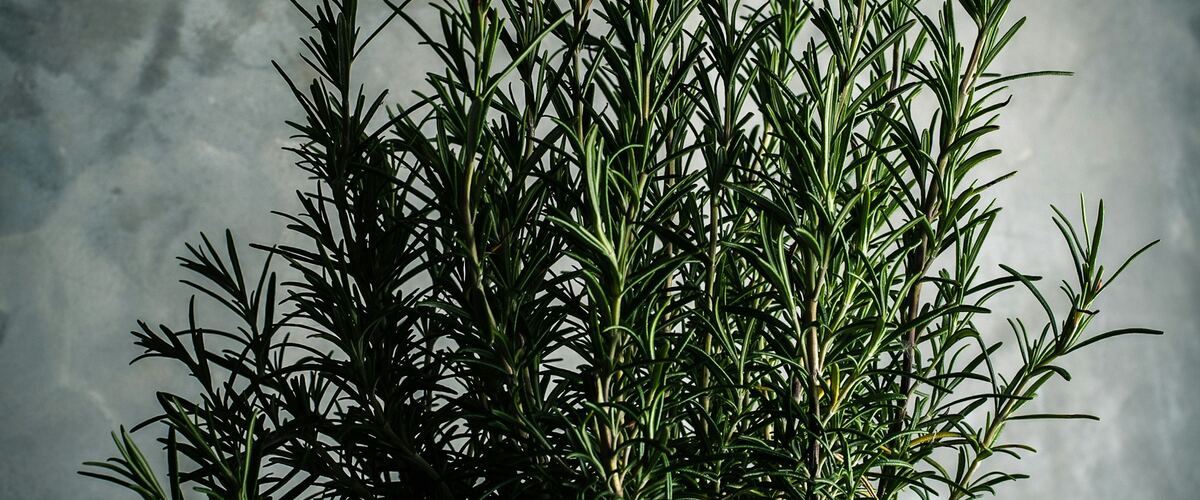
Rosemary is a woody Mediterranean shrub in the mint family, grown for its needle-like, resin-scented leaves that flavor roast meats, potatoes and bread. Upright types can make a small hedge, while creeping types trail over walls and the edges of pots. Its small pale blue flowers open early in the year and are an early food for bees.
Puts rosemary on your free plan, with dates for your town and a spot in your beds.
- Difficulty
- Moderate
- Sun
- Full sun
- Spacing
- 24 to 36 inches apart
- Planting depth
- Plant at the depth it grew in the nursery pot
- Frost
- Handles light frost; wet winter soil is the bigger risk
- First harvest
- Pick sprigs a few weeks after planting, once new growth appears
Needs sharp drainage. It survives many west-side winters in a well-drained, sheltered spot; in colder eastern areas, grow it in a pot and bring it in for winter.
Rosemary planting dates
| Towns | Plant in the garden |
|---|---|
| Portland, OR, Seattle and Tacoma, WA | Mar 15 – May 3 |
| Spokane, WA | Apr 15 – Jun 3 |
| Boise and Meridian, ID, Astoria, OR | Apr 1 – May 20 |
| Bend and Redmond, OR | May 12 – Jun 30 |
Dates for six main cities. For any of the other 80 towns, type it in the box at the top of the page or browse all towns.
| Gresham, OR, Oregon City and West Linn, OR, Portland, OR, St. Helens and Scappoose, OR, Wilsonville and Canby, OR | Mar 15 – May 3 |
|---|---|
| Hillsboro and Beaverton, OR | Mar 19 – May 7 |
| Corvallis and Albany, OR, Eugene, OR, Salem, OR | Mar 15 – May 3 |
|---|---|
| Cottage Grove, OR | Mar 27 – May 15 |
| McMinnville and Newberg, OR | Mar 18 – May 6 |
| Ashland and Talent, OR | Apr 8 – May 27 |
|---|---|
| Grants Pass, OR, Medford, OR, Roseburg, OR | Mar 15 – May 3 |
| Astoria, OR, Brookings and Gold Beach, OR, Coos Bay and North Bend, OR, Newport and Lincoln City, OR, Tillamook, OR | Apr 1 – May 20 |
|---|
| Bend and Redmond, OR, Klamath Falls, OR | May 12 – Jun 30 |
|---|---|
| Burns, OR | May 14 – Jul 2 |
| Lakeview, OR | May 7 – Jun 25 |
| Madras, OR | Apr 21 – Jun 9 |
| Prineville, OR | May 4 – Jun 22 |
| Baker City, OR | Apr 27 – Jun 15 |
|---|---|
| Enterprise and Joseph, OR | Apr 26 – Jun 14 |
| Hermiston, OR, Hood River, OR, Ontario, OR, Pendleton, OR, The Dalles, OR | Apr 1 – May 20 |
| John Day, OR | Apr 30 – Jun 18 |
| La Grande, OR | Apr 15 – Jun 3 |
| Bremerton and Port Orchard, WA, Everett, WA, Kent, Renton and Auburn, WA, Seattle and Tacoma, WA | Mar 15 – May 3 |
|---|---|
| Olympia, WA | Apr 1 – May 20 |
| Shelton, WA | Mar 30 – May 18 |
| Anacortes, WA, Bellingham, WA, Friday Harbor and the San Juans, WA, Mount Vernon and Burlington, WA, Oak Harbor and Whidbey Island, WA | Mar 15 – May 3 |
|---|
| Aberdeen and Hoquiam, WA, Forks, WA, Long Beach and Ilwaco, WA | Apr 1 – May 20 |
|---|---|
| Port Angeles, WA, Port Townsend, WA | Mar 15 – May 3 |
| Sequim, WA | Mar 24 – May 12 |
| Centralia and Chehalis, WA | Mar 25 – May 13 |
|---|---|
| Longview and Kelso, WA, Vancouver, WA | Mar 15 – May 3 |
| Chelan, WA, Wenatchee, WA | Apr 1 – May 20 |
|---|---|
| Leavenworth, WA, Omak and Okanogan, WA | Apr 15 – Jun 3 |
| Winthrop and Twisp, WA | Apr 17 – Jun 5 |
| Ellensburg, WA | Apr 15 – Jun 3 |
|---|---|
| Ephrata and Quincy, WA, Moses Lake, WA, Tri-Cities (Pasco, Kennewick, Richland), WA, Walla Walla, WA | Apr 1 – May 20 |
| Goldendale, WA | Apr 21 – Jun 9 |
| Sunnyside, Grandview and Prosser, WA | Apr 3 – May 22 |
| Yakima, WA | Apr 10 – May 29 |
| Colville, WA, Pullman, WA, Spokane, WA | Apr 15 – Jun 3 |
|---|
| Bonners Ferry, ID, Coeur d'Alene and Post Falls, ID, Sandpoint, ID | Apr 15 – Jun 3 |
|---|
| Lewiston, ID | Apr 1 – May 20 |
|---|---|
| Moscow, ID | Apr 15 – Jun 3 |
| Boise and Meridian, ID, Nampa and Caldwell, ID | Apr 1 – May 20 |
|---|---|
| Emmett, ID | Apr 2 – May 21 |
| McCall, ID | May 25 – Jul 13 |
| Burley and Rupert, ID, Idaho Falls, ID, Pocatello, ID, Rexburg, ID, Twin Falls, ID | Apr 15 – Jun 3 |
|---|---|
| Salmon, ID | Apr 19 – Jun 7 |
Rosemary year at a glance
| Task | J | F | M | A | M | J | J | A | S | O | N | D |
|---|---|---|---|---|---|---|---|---|---|---|---|---|
| Plant | Mar | Apr | May | |||||||||
| Harvest | Jan | Feb | Mar | Apr | May | Jun | Jul | Aug | Sep | Oct | Nov | Dec |
| In bloom | Feb | Mar | Apr |
Around Portland. Colder towns, especially east of the Cascades, run a few weeks later; the table above has your town's planting dates.
How to grow rosemary
- Pick a sunny spot with soil that drains well, and mix in an inch or two of compost.
- Plant young rosemary plants on your city's dates, 24 to 36 inches apart. Plant at the depth it grew in the nursery pot.
- Water until established, then only in dry spells. In cold eastern areas, grow it in a pot and move it to a cool, bright spot for winter.
- Harvest: Snip sprig tips as needed. Don't cut back into bare wood; it won't regrow.
Growing rosemary in your part of the Northwest
The same plant behaves differently on the wet west side, the foggy coast and the dry, colder east side.
West-side valleys
Willamette Valley, Puget Sound, southern Oregon
Rosemary usually survives west-side winters if drainage is good; wet clay kills more plants than cold does. A hard freeze can still kill it, so hardier varieties like Arp help.
Coast
Oregon and Washington coast
The mild coastal climate suits rosemary well, as long as it's in well-drained soil.
East of the Cascades
Columbia Basin, Yakima, Boise, Spokane, north Idaho
Rosemary rarely survives winter outdoors east of the Cascades. Grow it in a pot and bring it inside for winter.
High desert and mountain towns
Central Oregon, high eastern Oregon valleys, McCall, Salmon
Grow rosemary in a pot and bring it in before the first frost.
More rosemary varieties
More widely sold picks that do well somewhere in the Northwest. The tag says which part of the Northwest suits each one best.
Arp
One of the most cold-hardy rosemaries, with gray-green, lemony-scented leaves. The best bet for surviving winter outdoors in colder parts of the Northwest, given good drainage.
Both sides
Hill Hardy
Also sold as Madeline Hill, a cold-tolerant upright rosemary with classic flavor. A good alternative to Arp for a hedge or herb bed.
Both sides
Tuscan Blue
Tall, fast-growing plants with deep blue flowers and rich, resinous flavor. Less cold hardy, so it does best in a sheltered spot west of the Cascades.
West side
Barbecue
Long, straight, sturdy stems that work as grilling skewers, with strong flavor. Like most upright types, it needs mild winters and well-drained soil.
West side
Prostratus
A creeping rosemary that spills over walls and pot edges. It is among the least cold hardy, so grow it in mild west-side gardens or in a container.
West side
How much to grow
How many to plant
One plant is plenty for most households. Plant a few as a low hedge in a hot, dry spot.
What to expect
Sprigs year-round once established.
Storing the harvest
Fresh sprigs keep a week or two in the fridge. Dries well.
Key numbers
- Wet winter soilTop killer
- 15–20°FMost types hurt at
- Arp, Madeline HillHardiest
- None neededFertilizer
- Only into green growthPrune
- Terracotta, gritty mixIn pots
Top care tip: Water only in dry spells once it's established, and never let it sit in wet soil over winter.
The plant science
The plant biology behind the advice above, in plain language.
Wet soil kills more rosemary than cold
Rosemary comes from dry, rocky hillsides around the Mediterranean. Its roots rot when they sit in cold, soggy soil, which is why more rosemary dies in a wet Northwest winter than in a cold, dry one. Plant it in fast-draining soil, on a slope or in a raised bed, and never in a spot where water pools. Mixing gravel into heavy clay helps.
Cold hardiness
Most rosemary varieties are damaged somewhere around 15 to 20°F. Hardier selections like Arp and Madeline Hill (also sold as Hill Hardy) survive colder winters, especially in well-drained soil. Cold, drying winds make damage worse, so a spot near a south-facing wall is ideal. In colder eastern areas, grow rosemary in a pot and move it to a cool, bright spot for winter.
Soil and feeding
Rosemary grows best in lean, well-drained soil and tolerates neutral to slightly alkaline pH. It doesn't need fertilizer. Rich soil and extra water make it grow fast and soft, with less of the aromatic oil that gives it flavor. Once established, water only during long dry spells.
Pruning
Rosemary has very few dormant buds on old, bare wood, so cuts into leafless stems usually don't regrow. Prune lightly, within the green, leafy part of each stem, right after flowering in spring. Regular light trims keep it compact and stop it from getting leggy.
In containers
Use a terracotta pot, which dries out faster, and a gritty mix like cactus potting soil. Water when the top inch or two is dry. Indoors in winter, rosemary needs a cool, very bright spot; warm rooms and low light lead to powdery mildew and leaf drop.
Good neighbors
Good neighbors
- Thyme, sage and lavender. The same dry, sunny, well-drained spot and no summer watering once established.
Keep apart
- Thirsty vegetables. Rosemary rots when watered like a vegetable bed.
Pests and problems
What most often goes wrong with rosemary in Northwest gardens, how to spot it and what to do.
Root rot
Signs: Plants brown and die from the roots, usually in winter.
What to do: Plant in fast-draining soil, a raised bed or a pot.
Spittlebugs
Signs: Foamy blobs on stems in spring.
What to do: Hose them off; the damage is cosmetic.
Cold damage
Signs: Browned tips after a hard freeze, mostly east of the Cascades.
What to do: Choose hardy varieties like 'Arp' and grow it in a pot you can move in.
Common questions about growing rosemary
When should I plant rosemary in Oregon, Washington and Idaho?
Plant in the garden: Mar 15 – May 3 in Portland and Seattle, Apr 15 – Jun 3 in Spokane, Apr 1 – May 20 in Boise and May 12 – Jun 30 in Bend. Pick your town at the top of the page for your own dates.
Why did my rosemary die over winter?
Most often from wet, cold soil rather than cold alone. The roots rot in waterlogged ground. Replant in fast-draining soil or a raised bed, and choose a hardier variety like Arp.
Can I leave potted rosemary outside in winter?
West of the Cascades, usually yes, if the pot drains well and sits against a sheltered wall. In colder areas, roots in pots freeze more easily than in the ground, so move the pot into an unheated garage or other cool, bright spot during hard freezes.
How do I fix leggy rosemary?
Prune lightly within the green growth after flowering, and repeat every year. Cuts into old, bare wood rarely regrow, so very woody plants are often best replaced.
See what else to plant in March, April or May.
 Basil
 Cilantro
 Parsley
 Dill
 Chives
 Mint
 Thyme
 Oregano
 Lavender
 Sage
 Tarragon
 Lemon balm