
Oregon · Washington · Idaho
When to plant shallots
Plant in fall: Portland and Seattle Oct 1 – Nov 15; Spokane Sep 25 – Oct 31; Boise Oct 1 – Nov 1; Bend Sep 20 – Oct 20.
Your dates in
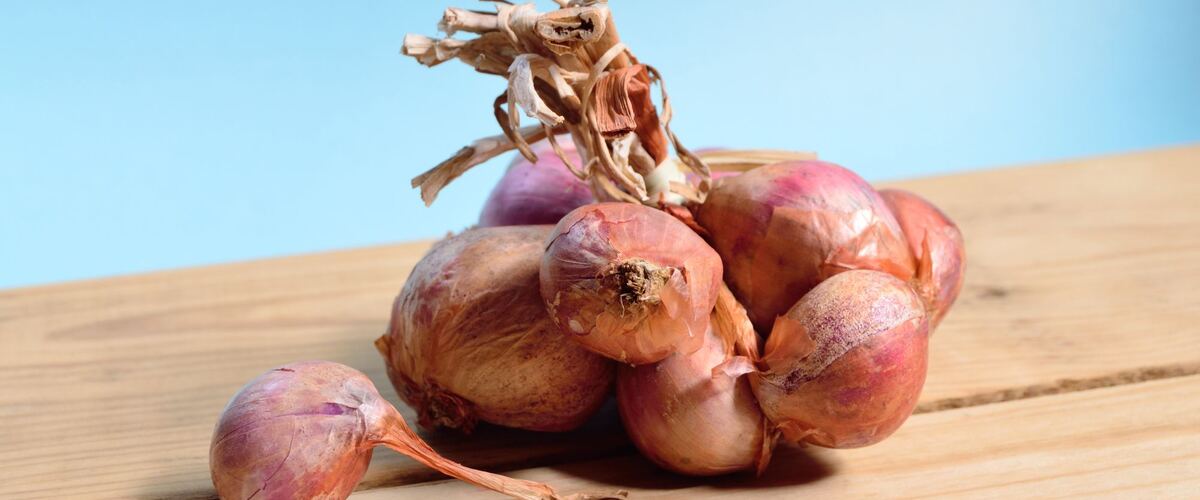
Shallots are an onion-family bulb that grows in clusters, like garlic, with a milder, sweeter flavor than onions. Cooks use them raw in vinaigrettes and cooked in sauces, and cured bulbs keep for months.
Puts shallots on your free plan, with dates for your town and a spot in your beds.
- Difficulty
- Easy
- Sun
- Full sun
- Spacing
- 6 to 8 inches apart
- Planting depth
- Tip just at the soil surface
- Frost
- Very hardy; grows through winter
Planted like garlic in fall, or as early in spring as the soil can be worked. Each bulb multiplies into a cluster.
Shallot planting dates
| Towns | Plant in fall |
|---|---|
| Portland, OR, Seattle and Tacoma, WA, Astoria, OR | Oct 1 – Nov 15 |
| Spokane, WA | Sep 25 – Oct 31 |
| Boise and Meridian, ID | Oct 1 – Nov 1 |
| Bend and Redmond, OR | Sep 20 – Oct 20 |
Dates for six main cities. For any of the other 80 towns, type it in the box at the top of the page or browse all towns.
| Gresham, OR, Hillsboro and Beaverton, OR, Oregon City and West Linn, OR, Portland, OR, St. Helens and Scappoose, OR, Wilsonville and Canby, OR | Oct 1 – Nov 15 |
|---|
| Corvallis and Albany, OR, Cottage Grove, OR, Eugene, OR, McMinnville and Newberg, OR, Salem, OR | Oct 1 – Nov 15 |
|---|
| Ashland and Talent, OR, Grants Pass, OR, Medford, OR, Roseburg, OR | Oct 1 – Nov 15 |
|---|
| Astoria, OR, Brookings and Gold Beach, OR, Coos Bay and North Bend, OR, Newport and Lincoln City, OR, Tillamook, OR | Oct 1 – Nov 15 |
|---|
| Bend and Redmond, OR, Burns, OR, Klamath Falls, OR, Lakeview, OR, Madras, OR, Prineville, OR | Sep 20 – Oct 20 |
|---|
| Baker City, OR, Enterprise and Joseph, OR, John Day, OR | Sep 20 – Oct 20 |
|---|---|
| Hermiston, OR, Hood River, OR, Ontario, OR, Pendleton, OR, The Dalles, OR | Oct 1 – Nov 1 |
| La Grande, OR | Sep 25 – Oct 31 |
| Bremerton and Port Orchard, WA, Everett, WA, Kent, Renton and Auburn, WA, Olympia, WA, Seattle and Tacoma, WA, Shelton, WA | Oct 1 – Nov 15 |
|---|
| Anacortes, WA, Bellingham, WA, Friday Harbor and the San Juans, WA, Mount Vernon and Burlington, WA, Oak Harbor and Whidbey Island, WA | Oct 1 – Nov 15 |
|---|
| Aberdeen and Hoquiam, WA, Forks, WA, Long Beach and Ilwaco, WA, Port Angeles, WA, Port Townsend, WA, Sequim, WA | Oct 1 – Nov 15 |
|---|
| Centralia and Chehalis, WA, Longview and Kelso, WA, Vancouver, WA | Oct 1 – Nov 15 |
|---|
| Chelan, WA, Wenatchee, WA | Oct 1 – Nov 1 |
|---|---|
| Leavenworth, WA, Omak and Okanogan, WA, Winthrop and Twisp, WA | Sep 25 – Oct 31 |
| Colville, WA, Pullman, WA, Spokane, WA | Sep 25 – Oct 31 |
|---|
| Bonners Ferry, ID, Coeur d'Alene and Post Falls, ID, Sandpoint, ID | Sep 25 – Oct 31 |
|---|
| Lewiston, ID | Oct 1 – Nov 1 |
|---|---|
| Moscow, ID | Sep 25 – Oct 31 |
| Boise and Meridian, ID, Emmett, ID, Nampa and Caldwell, ID | Oct 1 – Nov 1 |
|---|---|
| McCall, ID | Sep 20 – Oct 20 |
| Burley and Rupert, ID, Idaho Falls, ID, Pocatello, ID, Rexburg, ID, Twin Falls, ID | Sep 25 – Oct 31 |
|---|---|
| Salmon, ID | Sep 20 – Oct 20 |
Shallot year at a glance
| Task | J | F | M | A | M | J | J | A | S | O | N | D |
|---|---|---|---|---|---|---|---|---|---|---|---|---|
| Plant | Oct | Nov | ||||||||||
| Harvest | Jun | Jul |
Around Portland. Colder towns, especially east of the Cascades, run a few weeks later; the table above has your town's planting dates.
How to grow shallots
- Buy shallot bulbs sold for planting from a garden center or seed company.
- Loosen the soil and mix in an inch or two of compost.
- Plant them on your city's dates, 6 to 8 inches apart, with the tip just at the soil surface.
- Mulch lightly with straw for winter, pull weeds in spring and stop watering when the tops start to yellow.
- Harvest: Dig in summer when the tops yellow and fall over. Dry the clusters in a shady, airy spot for two weeks.
Growing shallots in your part of the Northwest
The same plant behaves differently on the wet west side, the foggy coast and the dry, colder east side.
West-side valleys
Willamette Valley, Puget Sound, southern Oregon
Shallots grow well; plant in fall or early spring in well-drained soil.
East of the Cascades
Columbia Basin, Yakima, Boise, Spokane, north Idaho
Shallots handle cold winters; mulch fall plantings.
More shallot varieties
More widely sold picks that do well somewhere in the Northwest. The tag says which part of the Northwest suits each one best.
French Gray
Considered the gourmet shallot, with thick gray skins and rich, complex flavor. Very hardy, it is best planted in fall, but it does not store as long as others.
Both sides
Ambition
Grown from seed rather than bulbs, with copper-skinned, red-tinged bulbs. Uniform and a good keeper, it is an affordable way to grow lots of shallots.
Both sides
Dutch Yellow
A dependable, productive shallot that multiplies into large clusters of golden bulbs. Mild flavor and excellent storage make it a kitchen workhorse.
Both sides
Dutch Red
Reddish-copper skins and pinkish flesh with a slightly stronger flavor than yellow types. Good yields and good keeping quality. Plant in fall or very early spring.
Both sides
Zebrune
A long, torpedo-shaped French shallot with coppery skin and mild, sweet flesh. Grown from seed, it is easy to peel and slice.
Both sides
How much to grow
How many to plant
For a family of four, about 20 to 40 bulbs.
What to expect
Each bulb forms a cluster of 5 to 10 new shallots.
Storing the harvest
Cure two weeks, then keep somewhere cool and dry for six months or more.
What to plant after shallots
Around Portland, the shallot harvest wraps up around July. These crops can still go into the same bed, and they come from a different plant family, which helps with rotation.
- Radicchio Jul 9–30
- Cauliflower Jul 16–30
- Carrots Jul 23 – Aug 6
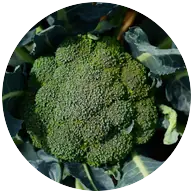
- Broccoli Jul 23 – Aug 6
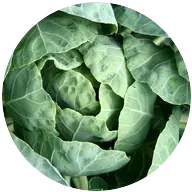
- Cabbage Jul 23 – Aug 6
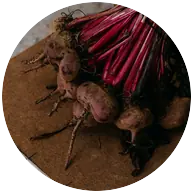
- Beets Aug 6–20
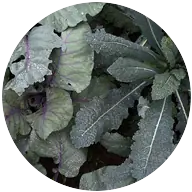
- Kale Aug 6–20
- Swiss chard Aug 6–20
 Radicchio
 Cauliflower
 Carrots
 Broccoli
 Cabbage
 Beets
 Kale
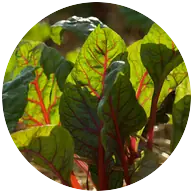 Swiss chard
Portland dates. Pick your town at the top of the page for yours.
Key numbers
- Fall or earliest springPlant
- 6.0–7.0Soil pH
- 2 weeks, shady and airyCure
- 6 months or moreStores
Top care tip: Keep the bed weeded and stop watering once the tops start to yellow so bulbs cure well.
Growing notes
What makes the difference in Northwest gardens, in plain language.
Soil and feeding
Shallots grow best in loose, well-drained soil with plenty of compost. Heavy, soggy soil rots bulbs over a wet Northwest winter, so raised beds help west of the Cascades. Feed with a little nitrogen in early spring when growth resumes, and stop by late spring. Once bulbs start forming, extra nitrogen just delays them and hurts storage.
Keep beds weeded. Shallots have thin, upright leaves that can't shade out competition, and weeds steal water and nutrients from the forming cluster.
Pests and diseases
Onion maggots, the larvae of a small fly, tunnel into bulbs in cool, wet soil. Rotating to a new spot each year and covering spring plantings with row cover help. Rust shows up as orange spots on leaves in damp weather but usually doesn't hurt the harvest much.
White rot is the serious one: a white fuzzy rot at the base with tiny black specks. It lives in soil for many years, so never plant onion-family crops in an infected spot again, and only plant clean bulbs from a trusted source.
Harvest and storage
Dig shallots when most of the tops have yellowed and fallen over, usually early to midsummer. Lift the clusters gently, shake off soil and leave the tops on while they cure in a dry, shady, airy place for about two weeks. Then trim the tops and roots, separate the bulbs, and store them in a mesh bag in a cool, dry spot. Well-cured shallots often keep longer than onions. Save some of the best, firmest bulbs to replant in fall.
Good neighbors and crop rotation
Good neighbors
- Lettuce. Fills the gaps in spring.
- Carrots. Narrow leaves and feathery tops share space well.
Onion family: Rotate onion-family crops on a three- to four-year cycle. Onion maggots overwinter in the soil, and white rot, the worst onion disease, survives in soil for decades; never plant sets or cloves from a garden that has had it.
Pests and problems
What most often goes wrong with shallots in Northwest gardens, how to spot it and what to do.
Onion maggots
Signs: Wilting plants with maggots in the base.
What to do: Rotate beds and use row cover.
Rot in storage
Signs: Soft bulbs.
What to do: Cure well and store in mesh bags.
Common questions about growing shallots
When should I plant shallots in Oregon, Washington and Idaho?
Plant in fall: Oct 1 – Nov 15 in Portland and Seattle, Sep 25 – Oct 31 in Spokane, Oct 1 – Nov 1 in Boise and Sep 20 – Oct 20 in Bend. Pick your town at the top of the page for your own dates.
Can I plant shallots from the grocery store?
Sometimes they grow, but they may be treated to stop sprouting or carry disease into your soil. Bulbs sold for planting are a safer bet and come in varieties suited to the Northwest, like French Gray.
Why are my shallots flowering?
Stress such as a cold snap after spring growth begins or a dry spell can trigger flowering. Snap off the flower stalk as soon as you see it. The bulbs are still usable but use flowered ones first, since they don't store as well.
How many shallots grow from one bulb?
Each planted bulb divides into a cluster of several new bulbs, often around five to ten depending on variety and soil. Bigger planting bulbs and wider spacing usually give bigger clusters.
See what else to plant in October or November.
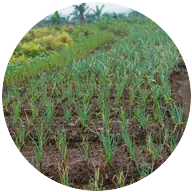 Onions
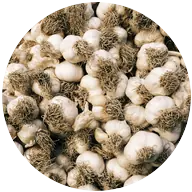 Garlic
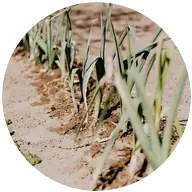 Leeks