
Oregon · Washington · Idaho
When to plant sword fern
Plant in the garden: Portland and Seattle Mar 1 – Apr 26; Spokane Apr 1 – May 27; Boise Mar 20 – May 15; Bend Apr 28 – Jun 23.
Your dates in
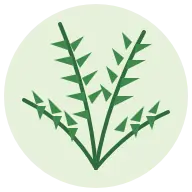
Western sword fern is a large native evergreen fern with stiff, dark green fronds up to 4 or 5 feet long. It's one of the most common plants on Northwest forest floors and is grown for year-round green in shade gardens. The fronds are also cut and sold as florist greenery.
Puts sword fern on your free plan, with dates for your town and a spot in your beds.
- Difficulty
- Easy
- Sun
- Part to full shade
- Spacing
- 2 to 3 feet apart
- Planting depth
- Crown at soil level; don't bury it
- Frost
- Hardy perennial; comes back every year
- First harvest
- Evergreen fronds all year
The big evergreen fern of west-side forests. It thrives in shade under trees where little else grows. Water it through its first summers; established ferns in deep shade need little help, but they suffer in long droughts.
Sword fern planting dates
| Towns | Plant in the garden |
|---|---|
| Portland, OR, Seattle and Tacoma, WA | Mar 1 – Apr 26 |
| Spokane, WA | Apr 1 – May 27 |
| Boise and Meridian, ID | Mar 20 – May 15 |
| Bend and Redmond, OR | Apr 28 – Jun 23 |
| Astoria, OR | Mar 25 – May 20 |
Dates for six main cities. For any of the other 80 towns, type it in the box at the top of the page or browse all towns.
| Gresham, OR, Oregon City and West Linn, OR, Portland, OR, St. Helens and Scappoose, OR, Wilsonville and Canby, OR | Mar 1 – Apr 26 |
|---|---|
| Hillsboro and Beaverton, OR | Mar 5 – Apr 30 |
| Corvallis and Albany, OR, Eugene, OR, Salem, OR | Mar 1 – Apr 26 |
|---|---|
| Cottage Grove, OR | Mar 13 – May 8 |
| McMinnville and Newberg, OR | Mar 4 – Apr 29 |
| Ashland and Talent, OR | Mar 25 – May 20 |
|---|---|
| Grants Pass, OR, Medford, OR, Roseburg, OR | Mar 1 – Apr 26 |
| Astoria, OR, Brookings and Gold Beach, OR, Coos Bay and North Bend, OR, Newport and Lincoln City, OR, Tillamook, OR | Mar 25 – May 20 |
|---|
| Bend and Redmond, OR, Klamath Falls, OR | Apr 28 – Jun 23 |
|---|---|
| Burns, OR | Apr 30 – Jun 25 |
| Lakeview, OR | Apr 23 – Jun 18 |
| Madras, OR, Prineville, OR | Apr 20 – Jun 15 |
| Baker City, OR, Enterprise and Joseph, OR, John Day, OR | Apr 20 – Jun 15 |
|---|---|
| Hermiston, OR, Hood River, OR, Ontario, OR, Pendleton, OR, The Dalles, OR | Mar 20 – May 15 |
| La Grande, OR | Apr 1 – May 27 |
| Bremerton and Port Orchard, WA, Everett, WA, Kent, Renton and Auburn, WA, Seattle and Tacoma, WA | Mar 1 – Apr 26 |
|---|---|
| Olympia, WA | Mar 18 – May 13 |
| Shelton, WA | Mar 16 – May 11 |
| Anacortes, WA, Bellingham, WA, Friday Harbor and the San Juans, WA, Mount Vernon and Burlington, WA, Oak Harbor and Whidbey Island, WA | Mar 1 – Apr 26 |
|---|
| Aberdeen and Hoquiam, WA, Forks, WA, Long Beach and Ilwaco, WA | Mar 25 – May 20 |
|---|---|
| Port Angeles, WA, Port Townsend, WA | Mar 1 – Apr 26 |
| Sequim, WA | Mar 10 – May 5 |
| Centralia and Chehalis, WA | Mar 11 – May 6 |
|---|---|
| Longview and Kelso, WA, Vancouver, WA | Mar 1 – Apr 26 |
| Chelan, WA, Wenatchee, WA | Mar 20 – May 15 |
|---|---|
| Leavenworth, WA, Omak and Okanogan, WA | Apr 1 – May 27 |
| Winthrop and Twisp, WA | Apr 3 – May 29 |
| Ellensburg, WA | Apr 1 – May 27 |
|---|---|
| Ephrata and Quincy, WA, Moses Lake, WA, Sunnyside, Grandview and Prosser, WA, Tri-Cities (Pasco, Kennewick, Richland), WA, Walla Walla, WA | Mar 20 – May 15 |
| Goldendale, WA | Apr 7 – Jun 2 |
| Yakima, WA | Mar 27 – May 22 |
| Colville, WA, Pullman, WA, Spokane, WA | Apr 1 – May 27 |
|---|
| Bonners Ferry, ID, Coeur d'Alene and Post Falls, ID, Sandpoint, ID | Apr 1 – May 27 |
|---|
| Lewiston, ID | Mar 20 – May 15 |
|---|---|
| Moscow, ID | Apr 1 – May 27 |
| Boise and Meridian, ID, Emmett, ID, Nampa and Caldwell, ID | Mar 20 – May 15 |
|---|---|
| McCall, ID | May 11 – Jul 6 |
| Burley and Rupert, ID, Idaho Falls, ID, Pocatello, ID, Rexburg, ID, Twin Falls, ID | Apr 1 – May 27 |
|---|---|
| Salmon, ID | Apr 20 – Jun 15 |
Sword fern year at a glance
| Task | J | F | M | A | M | J | J | A | S | O | N | D |
|---|---|---|---|---|---|---|---|---|---|---|---|---|
| Plant | Mar | Apr |
Around Portland. Colder towns, especially east of the Cascades, run a few weeks later; the table above has your town's planting dates.
How to grow sword fern
- Pick a shady spot, such as under trees or on the north side of a building, and mix in leaf mold or compost.
- Plant sword ferns on your city's dates, 2 to 3 feet apart. Crown at soil level; don't bury it.
- Water through the first two summers. Leave fallen leaves around the crowns as mulch.
- Harvest: Enjoy the evergreen fronds all year. Cut off old, tattered fronds in early spring, just before the new fiddleheads unroll.
Growing sword fern in your part of the Northwest
The same plant behaves differently on the wet west side, the foggy coast and the dry, colder east side.
West-side valleys
Willamette Valley, Puget Sound, southern Oregon
Sword fern is one of the most common west-side forest plants and handles dry summer shade once established.
Coast
Oregon and Washington coast
Sword fern thrives in the coastal climate and can take more sun there.
East of the Cascades
Columbia Basin, Yakima, Boise, Spokane, north Idaho
Sword fern needs shade and regular water east of the Cascades; hot sun burns the fronds.
More sword fern varieties
More widely sold picks that do well somewhere in the Northwest. The tag says which part of the Northwest suits each one best.
Western sword fern
The big forest fern of western Oregon and Washington. Buy nursery-grown plants rather than digging them from the wild.
West side
How much to grow
How many to plant
Plant 3 or more, 3 to 4 feet apart. A mature fern is about 4 feet wide.
Key numbers
- West sideNative range
- Part to full shadeLight
- 2–4 ftHeight
- YesEvergreen
Top care tip: Water deeply in long droughts and leave fallen leaves around the crown as mulch.
Growing notes
What makes the difference in Northwest gardens, in plain language.
The fern of west-side forests
Western sword fern is the large evergreen fern that carpets forests in western Oregon and Washington. Its dark green fronds stay fresh all winter, which makes it one of the most useful plants for shady yards.
It's long-lived and grows into a big clump over time.
Planting
Plant in part to full shade, such as under trees or on the north side of a building, in soil rich in organic matter. Set the crown at soil level; buried crowns can rot.
Water through the first two summers. Established ferns in shade with leaf mulch need little help, but sword ferns have been dying back in some Puget Sound forests after hot, dry summers, so water deeply during long droughts, especially if they're in sun.
Care
In early spring, before the new fiddleheads unroll, cut off old, tattered fronds at the base. Leave healthy fronds, which feed the plant.
Let fallen leaves stay around the crown as mulch. Sword ferns need no fertilizer.
Good neighbors
Grows well with
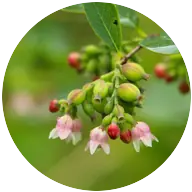
- Salal and huckleberries. The same shady woodland soil.
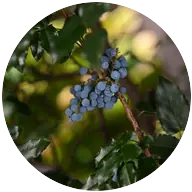
- Oregon grape. Also takes dry shade under trees.
Pests and problems
What most often goes wrong with sword fern in Northwest gardens, how to spot it and what to do.
Drought stress
Signs: Fronds brown at the tips in sun or dry soil.
What to do: Keep it in shade, mulch with leaves and water in long dry spells.
Tattered old fronds
Signs: Ragged brown fronds in spring.
What to do: Cut them off just before new fiddleheads unroll.
Sword fern dieback
Signs: In some Seattle-area forests, whole stands have died since 2013.
What to do: The cause is still being studied. Water garden ferns in long dry spells and report patches of dying ferns to your local native plant society.
Common questions about growing sword fern
When should I plant sword fern in Oregon, Washington and Idaho?
Plant in the garden: Mar 1 – Apr 26 in Portland and Seattle, Apr 1 – May 27 in Spokane, Mar 20 – May 15 in Boise and Apr 28 – Jun 23 in Bend. Pick your town at the top of the page for your own dates.
Can sword fern grow in sun?
In cool coastal gardens, some. Inland, sun and dry soil scorch the fronds. Shade is best.
Should I cut back my sword fern?
Remove old, tattered fronds in early spring before new growth unrolls. It isn't required, but it keeps the plant tidy.
Why are my sword fern fronds turning brown?
Usually drought or too much sun. Water deeply in dry spells, mulch with leaves and keep it in shade.
See what else to plant in March or April.
 Huckleberries
 Oregon grape
 Red-flowering currant
 Serviceberry
 Camas
 Thimbleberry
 Salmonberry
 Salal
 Kinnikinnick
 Western columbine
 Douglas aster
 Oregon sunshine
 Pacific ninebark
 Oregon iris