
Oregon · Washington · Idaho
When to plant mint
Plant in the garden: Portland and Seattle Mar 15 – May 10; Spokane Apr 15 – Jun 10; Boise Apr 1 – May 27; Bend May 12 – Jul 7.
Your dates in
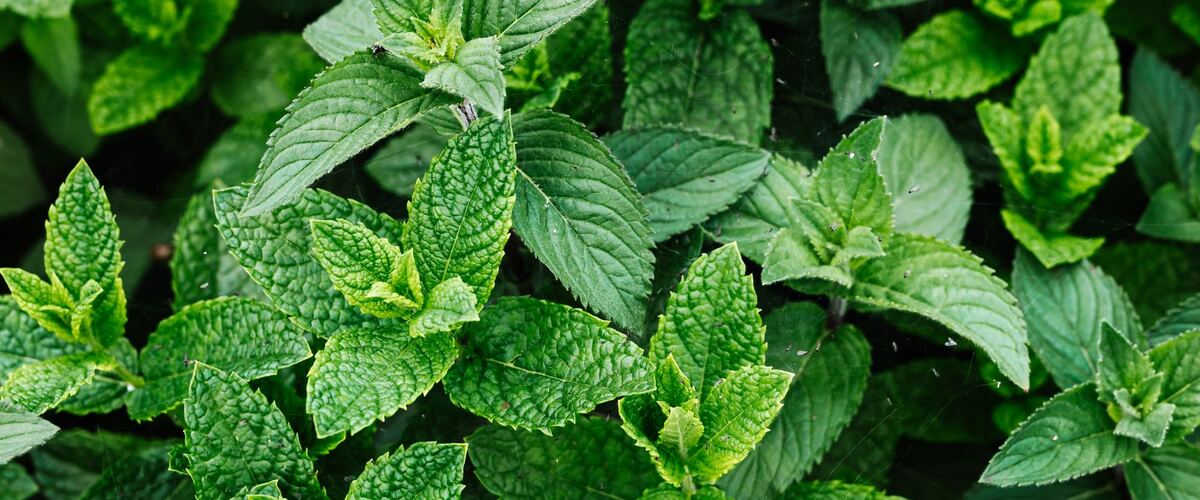
Mint is a hardy perennial herb grown for its cool, aromatic leaves, used in tea, drinks, salads and Middle Eastern and Vietnamese dishes. Spearmint is the sweeter cooking mint, peppermint is stronger and used for tea and candy, and there are many flavored kinds. Washington, Oregon and Idaho grow most of the country's mint for oil.
Puts mint on your free plan, with dates for your town and a spot in your beds.
- Difficulty
- Easy
- Sun
- Full sun to part shade
- Spacing
- One plant per pot, or 18 inches apart
- Planting depth
- Plant at the depth it grew in the nursery pot
- Frost
- Handles light frost
- First harvest
- Pick lightly the first summer, then as much as you like
Spreads aggressively by underground runners, so grow it in a pot or a bottomless bucket sunk in the ground.
Mint planting dates
| Towns | Plant in the garden |
|---|---|
| Portland, OR, Seattle and Tacoma, WA | Mar 15 – May 10 |
| Spokane, WA | Apr 15 – Jun 10 |
| Boise and Meridian, ID, Astoria, OR | Apr 1 – May 27 |
| Bend and Redmond, OR | May 12 – Jul 7 |
Dates for six main cities. For any of the other 80 towns, type it in the box at the top of the page or browse all towns.
| Gresham, OR, Oregon City and West Linn, OR, Portland, OR, St. Helens and Scappoose, OR, Wilsonville and Canby, OR | Mar 15 – May 10 |
|---|---|
| Hillsboro and Beaverton, OR | Mar 19 – May 14 |
| Corvallis and Albany, OR, Eugene, OR, Salem, OR | Mar 15 – May 10 |
|---|---|
| Cottage Grove, OR | Mar 27 – May 22 |
| McMinnville and Newberg, OR | Mar 18 – May 13 |
| Ashland and Talent, OR | Apr 8 – Jun 3 |
|---|---|
| Grants Pass, OR, Medford, OR, Roseburg, OR | Mar 15 – May 10 |
| Astoria, OR, Brookings and Gold Beach, OR, Coos Bay and North Bend, OR, Newport and Lincoln City, OR, Tillamook, OR | Apr 1 – May 27 |
|---|
| Bend and Redmond, OR, Klamath Falls, OR | May 12 – Jul 7 |
|---|---|
| Burns, OR | May 14 – Jul 9 |
| Lakeview, OR | May 7 – Jul 2 |
| Madras, OR | Apr 21 – Jun 16 |
| Prineville, OR | May 4 – Jun 29 |
| Baker City, OR | Apr 27 – Jun 22 |
|---|---|
| Enterprise and Joseph, OR | Apr 26 – Jun 21 |
| Hermiston, OR, Hood River, OR, Ontario, OR, Pendleton, OR, The Dalles, OR | Apr 1 – May 27 |
| John Day, OR | Apr 30 – Jun 25 |
| La Grande, OR | Apr 15 – Jun 10 |
| Bremerton and Port Orchard, WA, Everett, WA, Kent, Renton and Auburn, WA, Seattle and Tacoma, WA | Mar 15 – May 10 |
|---|---|
| Olympia, WA | Apr 1 – May 27 |
| Shelton, WA | Mar 30 – May 25 |
| Anacortes, WA, Bellingham, WA, Friday Harbor and the San Juans, WA, Mount Vernon and Burlington, WA, Oak Harbor and Whidbey Island, WA | Mar 15 – May 10 |
|---|
| Aberdeen and Hoquiam, WA, Forks, WA, Long Beach and Ilwaco, WA | Apr 1 – May 27 |
|---|---|
| Port Angeles, WA, Port Townsend, WA | Mar 15 – May 10 |
| Sequim, WA | Mar 24 – May 19 |
| Centralia and Chehalis, WA | Mar 25 – May 20 |
|---|---|
| Longview and Kelso, WA, Vancouver, WA | Mar 15 – May 10 |
| Chelan, WA, Wenatchee, WA | Apr 1 – May 27 |
|---|---|
| Leavenworth, WA, Omak and Okanogan, WA | Apr 15 – Jun 10 |
| Winthrop and Twisp, WA | Apr 17 – Jun 12 |
| Ellensburg, WA | Apr 15 – Jun 10 |
|---|---|
| Ephrata and Quincy, WA, Moses Lake, WA, Tri-Cities (Pasco, Kennewick, Richland), WA, Walla Walla, WA | Apr 1 – May 27 |
| Goldendale, WA | Apr 21 – Jun 16 |
| Sunnyside, Grandview and Prosser, WA | Apr 3 – May 29 |
| Yakima, WA | Apr 10 – Jun 5 |
| Colville, WA, Pullman, WA, Spokane, WA | Apr 15 – Jun 10 |
|---|
| Bonners Ferry, ID, Coeur d'Alene and Post Falls, ID, Sandpoint, ID | Apr 15 – Jun 10 |
|---|
| Lewiston, ID | Apr 1 – May 27 |
|---|---|
| Moscow, ID | Apr 15 – Jun 10 |
| Boise and Meridian, ID, Nampa and Caldwell, ID | Apr 1 – May 27 |
|---|---|
| Emmett, ID | Apr 2 – May 28 |
| McCall, ID | May 25 – Jul 20 |
| Burley and Rupert, ID, Idaho Falls, ID, Pocatello, ID, Rexburg, ID, Twin Falls, ID | Apr 15 – Jun 10 |
|---|---|
| Salmon, ID | Apr 19 – Jun 14 |
Mint year at a glance
| Task | J | F | M | A | M | J | J | A | S | O | N | D |
|---|---|---|---|---|---|---|---|---|---|---|---|---|
| Plant | Mar | Apr | May | |||||||||
| Harvest | Apr | May | Jun | Jul | Aug | Sep | Oct | |||||
| In bloom | Jul | Aug |
Around Portland. Colder towns, especially east of the Cascades, run a few weeks later; the table above has your town's planting dates.
How to grow mint
- Pick a sunny spot with soil that drains well, and mix in an inch or two of compost.
- Plant young mint plants on your city's dates, One plant per pot, or 18 inches apart. Plant at the depth it grew in the nursery pot.
- Water regularly; mint likes moist soil. Cut it back hard in midsummer for a fresh flush of leaves.
- Harvest: Snip stems just above a pair of leaves. Regular cutting keeps plants bushy.
Growing mint in your part of the Northwest
The same plant behaves differently on the wet west side, the foggy coast and the dry, colder east side.
West-side valleys
Willamette Valley, Puget Sound, southern Oregon
Mint spreads aggressively in moist west-side soil, so grow it in a pot or a bed with buried edging. Mint rust shows as orange spots; cut back affected stems.
East of the Cascades
Columbia Basin, Yakima, Boise, Spokane, north Idaho
Mint likes some afternoon shade and steady water in hot summers.
More mint varieties
More widely sold picks that do well somewhere in the Northwest. The tag says which part of the Northwest suits each one best.
Spearmint
The classic sweet, mild mint for tea, sauces and salads. Vigorous and fully hardy, so grow it in a pot to keep it contained.
Both sides
Peppermint
Strong, cool menthol flavor ideal for tea and desserts. Hardy and easy, though it spreads quickly in moist soil. Keep it in a container.
Both sides
Mojito mint
The mint traditionally used in Cuban mojitos, with mild, sweet, citrusy flavor. Large, soft leaves bruise easily for drinks. Grow it in a pot like other mints.
Both sides
Chocolate mint
A peppermint with bronze-green leaves and a light hint of chocolate. Popular for desserts and tea, and it spreads just as readily as other mints.
Both sides
Apple mint
Fuzzy, rounded leaves with a mild, fruity flavor. Tall and vigorous, it tolerates wet soil and makes a gentle tea.
Both sides
Kentucky Colonel
A spearmint selection with large leaves and sweet flavor, prized for mint juleps and iced tea. Vigorous and hardy. Contain it in a pot.
Both sides
How much to grow
How many to plant
One plant in a pot is plenty for most households. Grow different mints in separate pots.
What to expect
A handful a week from a healthy pot, more if you cut it back often.
Storing the harvest
Stems in a glass of water in the fridge for a week. Dry leaves for tea, or freeze in ice cubes.
Key numbers
- Underground rhizomesSpreads by
- Unreliable flavorFrom seed
- 6.0–7.0Soil pH
- Sun to part shadeLight
- Just before floweringBest flavor
- Every few yearsDivide
Top care tip: Cut it back hard in midsummer for a fresh flush of tender leaves.
The plant science
The plant biology behind the advice above, in plain language.
Why mint takes over
Mint spreads by underground stems called rhizomes, plus runners above ground. Each piece can root and start a new plant, so it quickly spreads through a bed. Grow it in a container, or sink a bottomless pot or bucket into the ground with the rim a couple of inches above the soil, and trim runners that creep over the edge.
Growing from seed doesn't work well
Peppermint is a natural hybrid between watermint and spearmint and rarely produces viable seed. Many mint seed packets produce plants with weak or unpredictable flavor. Buy plants or take cuttings from a mint whose smell and taste you like. Cuttings root easily in water.
Flavor
Peppermint's cool bite comes mainly from menthol; spearmint's sweeter flavor comes from carvone. Plants grown in full sun and harvested just before flowering have the most oil. Oregon and Washington, especially the Willamette Valley and the Columbia Basin, grow a large share of the country's peppermint oil.
Soil and water
Mint likes moist, fertile soil with a pH of about 6.0 to 7.0 and grows in sun or part shade. Containers dry out fast in summer, so water them often. Cut plants back hard in midsummer for a fresh flush of tender leaves.
Mint rust and other problems
Mint rust causes orange pustules on the undersides of leaves. Cut infected stems to the ground and throw them out, which removes the spores. Over the years, the center of a clump tends to die out. Divide and replant the healthy outer pieces every few years in fresh soil.
Good neighbors
Good neighbors
- A pot of its own. Mint spreads by underground runners and overruns other plants.
Keep apart
- Open garden beds. It takes over within a year or two and is hard to dig out.
Pests and problems
What most often goes wrong with mint in Northwest gardens, how to spot it and what to do.
Mint rust
Signs: Orange spots under the leaves in spring.
What to do: Cut plants to the ground and throw away the cuttings; clean regrowth follows.
Spreading
Signs: Runners pop up in nearby beds.
What to do: Keep the pot off the soil, and trim runners that hang over the edge.
Woody, tired pots
Signs: Fewer leaves after two or three years.
What to do: Repot a few rooted pieces into fresh mix in spring.
Common questions about growing mint
When should I plant mint in Oregon, Washington and Idaho?
Plant in the garden: Mar 15 – May 10 in Portland and Seattle, Apr 15 – Jun 10 in Spokane, Apr 1 – May 27 in Boise and May 12 – Jul 7 in Bend. Pick your town at the top of the page for your own dates.
Can I grow mint from seed?
Not reliably. Peppermint rarely makes viable seed, and many seed-grown mints have weak flavor. Buy a plant you've smelled or tasted, or root a cutting in water.
What are the orange spots on my mint?
Mint rust, a fungal disease. Cut the plant to the ground, throw out the clippings, and let it regrow. Good airflow and watering at the base help.
How do I stop mint from spreading?
Grow it in a pot, or in a bottomless container sunk into the ground with the rim a couple of inches above the soil. Trim any runners that grow over the edge.
See what else to plant in March, April or May.
 Basil
 Cilantro
 Parsley
 Dill
 Chives
 Rosemary
 Thyme
 Oregano
 Lavender
 Sage
 Tarragon
 Lemon balm